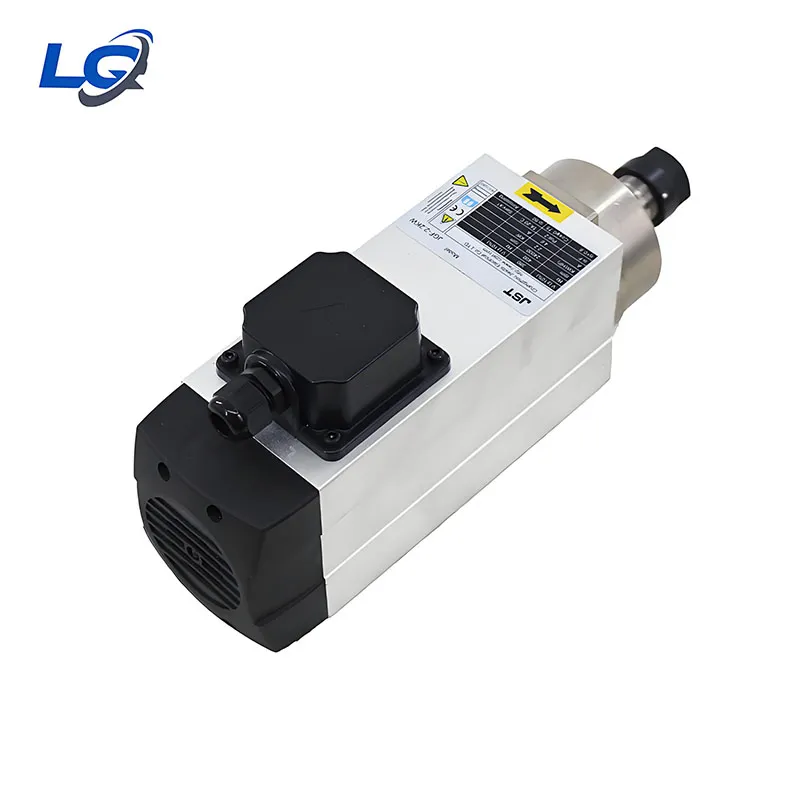
Eine schwache Spindel kann die Oberflächengüte beeinträchtigen, Werkzeuge verschleißen und die Produktion verlangsamen. Viele Käufer entscheiden sich allein aufgrund des Preises und müssen dann mit Überhitzung, Lärm und mangelnder Schnittstabilität rechnen. Der bessere Weg ist ganz einfach: Passen Sie den Spindelmotor an Ihr Material, den Drehzahlbereich, die Kühlmethode, die Spannzangengröße und den Arbeitszyklus an.
Für globale OEMs, Händler und industrielle Einkäufer ist Jinan Longqiao in der Lage, die Beschaffung kompletter Bewegungssysteme zu unterstützen – nicht nur einzelner Teile. Das Unternehmen liefert Spindelmotoren, Linearführungen, Kugelumlaufspindeln, Servomotoren und Antriebe, Zahnstangen und Ritzel sowie zugehörige CNC-Teile für internationale Abnehmer, die Wert auf stabile Qualität, schnelle Lieferung und aufeinander abgestimmte Komponenten für den tatsächlichen Produktionseinsatz legen. Auf seiner Website hebt das Unternehmen die Komplettversorgung aus einer Hand für Hersteller von CNC-Maschinen, Systemintegratoren, Händler und Fabriken hervor, die Modernisierungen oder den Austausch von Bauteilen durchführen.
Ein Spindelmotor ist das Herzstück des Schneidbereichs einer Maschine. Er sorgt für die Drehung der Spindel, die das Werkzeug zum Schneiden, Bohren, Fräsen oder Polieren antreibt. In einer CNC-Maschine leistet die Spindel mehr, als nur schnell zu drehen. Sie muss unter Last die Drehzahl halten, stabil bleiben, das Werkzeug schützen und die Vibrationen so gering halten, dass saubere Kanten und wiederholbare Genauigkeit gewährleistet sind.
In der Praxis beeinflusst die Spindel nahezu alle Aspekte, die für Sie von Bedeutung sind: Oberflächenqualität, Gleichmäßigkeit des Vorschubs, Standzeit der Werkzeuge, Geräuschentwicklung und Betriebszeit. Eine minderwertige Spindelbaugruppe mag auf dem Papier gut aussehen, doch wenn die Lagerqualität unzureichend ist oder die Kühlung nicht auf die Belastung abgestimmt ist, sind Rattern, Überhitzung und vorzeitiger Ausfall die Folge. SKF weist darauf hin, dass hochpräzise Spindellager darauf ausgelegt sind, Geräusche, Schwingungen und Wärmeentwicklung in Spindeleinheiten von Werkzeugmaschinen zu minimieren.
Aus diesem Grund denken viele Käufer mittlerweile in Systemen und nicht mehr in Einzelkomponenten. Wenn der Spindelmotor für die CNC-Steuerung zusammen mit Führungen, Gewindespindeln und Antrieben ausgewählt wird, lässt sich die Maschine leichter abstimmen und ist im Betrieb stabiler. Diese systemorientierte Sichtweise entspricht auch der Art und Weise, wie Jinan Longqiao sein Produktangebot an kompletten Achsen und kompatiblen Bewegungslösungen präsentiert.
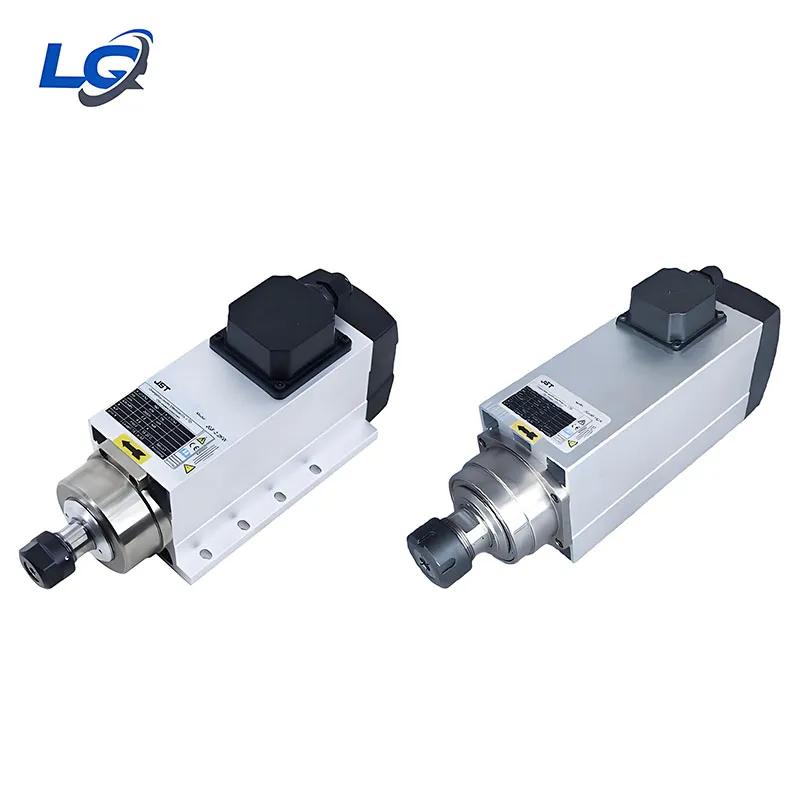
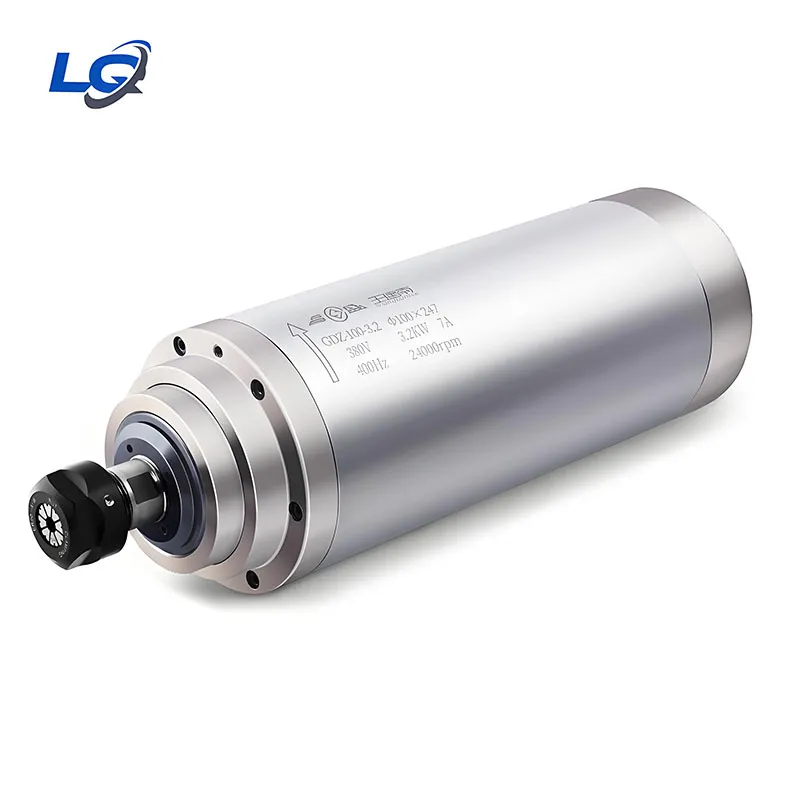
Dies ist eine der am häufigsten gestellten Fragen auf dem Markt, und sie ist von Bedeutung, da die Art der Kühlung Auswirkungen auf Wartung, Geräuschentwicklung, Installation und den Betriebszyklus hat. Ein luftgekühlter Spindelmotor nutzt einen Lüfter oder einen Luftstrom, um Wärme abzuführen. Ein wassergekühlte Spindel Eine motor- oder wassergekühlte Spindel nutzt einen Flüssigkeitskreislauf, um die Temperatur bei langen Betriebszeiten stabil zu halten.
Wenn Sie hauptsächlich mit Holz, MDF, PVC, Acryl oder im Schilderbau arbeiten, dann ist ein luftgekühlt Ein CNC-Spindelmotor ist oft die einfachste Lösung. Er lässt sich einfacher installieren, ist wartungsfreundlicher und eignet sich gut für Käufer, die einen praktischen Motor für CNC-Fräsmaschinen suchen. Auf den Spindel-Seiten von Longqiao werden luftgekühlte Modelle als einfacher im Aufbau, einfacher zu installieren und wartungsärmer als flüssigkeitsgekühlte Systeme beschrieben.
Wenn Ihre Arbeit lange Arbeitszeiten erfordert, engere Toleranzen vorsieht oder hohe Anforderungen an die thermische Beständigkeit stellt, dann ist ein wassergekühlt CNC-Spindel oder wassergekühlt Ein CNC-Spindelmotor kann die bessere Wahl sein. Longqiao beschreibt wassergekühlte Spindeln als Systeme, die ein geschlossenes Kühlkreislaufsystem nutzen, um Wärme kontinuierlich abzuführen und thermische Verformungen bei hochintensiver Bearbeitung zu reduzieren. Das macht sie attraktiv für Käufer, denen eine stabile Präzision über lange Schichten hinweg wichtig ist.
Viele Käufer legen ihren Fokus direkt auf die Leistung. Das verstehe ich. Leistung lässt sich leicht vergleichen. Doch die Spindelleistung spielt nur dann eine Rolle, wenn sie auf Werkzeug, Material, Vorschub und Maschinensteifigkeit abgestimmt ist. Ein kleiner 65-mm-Spindelmotor kann für Hobbyarbeiten oder kompakte, leichte Fräsarbeiten ausreichen. Ein 1,5-kW-Aggregat eignet sich oft für einfache Gravurarbeiten, leichte Fräsarbeiten und weichere Werkstoffe. Eine 2,2-kW- oder 2,2-kW-CNC-Ausführung ist eine der gängigsten Optionen im mittleren Leistungsbereich, da sie eine höhere Werkzeugkapazität bietet, ohne die Maschine zu schwer zu machen.
Bei vielen kleinen und mittelgroßen CNC-Fräsmaschinen ist der 2,2-kW-Bereich beliebt, da er ein ausgewogenes Verhältnis zwischen Geschwindigkeit, Größe und alltäglicher Schneidleistung bietet. Er ist häufig in einem CNC-Spindelmotor-Bausatz zusammen mit einem Umrichter und Zubehör enthalten. Wenn Sie zu größeren Fräsern, dickeren Werkstücken, dichteren Materialien oder längeren Schichten übergehen, sollten Sie Optionen mit höherer Leistung in Betracht ziehen, wie beispielsweise luftgekühlte Spindelmodelle mit 4,5 kW.
Leistung allein reicht jedoch nicht aus. Man braucht auch Drehzahl und Drehmoment. Eine hohe Drehzahl klingt zwar beeindruckend, aber wenn man ein größeres Werkzeug in Hartholz oder Aluminium einführt, ist es das konstante Drehmoment, das den Schnitt ermöglicht – und nicht nur die maximale Drehzahl. Deshalb ist die beste CNC-Spindel nicht unbedingt die größte. Es ist diejenige, die zu Ihrem Bearbeitungsprozess passt.
Die richtige Spindeldrehzahl hängt vom Werkstoff, dem Werkzeugdurchmesser, der Spanbelastung und der Art der Bearbeitung ab. Eine hohe Spindeldrehzahl eignet sich hervorragend für kleine Bohrer und leichtere Zerspanungsvorgänge. Beim Bohren, Fräsen oder Schneiden von härteren Werkstoffen ist jedoch oft eine niedrigere Drehzahl mit höherer Schnittstabilität die bessere Wahl.
Eine gut ausgelegte Motorantriebskonfiguration hilft der Spindel, die Solldrehzahl auch unter Last aufrechtzuerhalten. Dies ist besonders wichtig bei einer CNC-Fräs- und Gravurmaschine, bei der dieselbe Maschine zwischen feinen Detailarbeiten und grober Materialabtragung wechseln kann. Bei einer guten Steuerung geht es nicht um eine hohe Zahl auf dem Typenschild, sondern um eine nutzbare Drehzahl bei realen Arbeitsaufgaben.
Wenn es um die Auswahl des richtigen Spindelmotors geht, wird oft nach einer einzigen „besten“ Lösung gefragt. Es gibt jedoch keine allgemeingültige beste Lösung. Es gibt nur die am besten geeignete Lösung. Beginnen Sie mit dem Werkstoff. Prüfen Sie anschließend die Werkzeuggröße, den Einschaltdauerfaktor, die Kühlung, die Spannzange, die Leistung und die Rahmensteifigkeit.
Wenn Sie eine leichte CNC-Graviermaschine für Schilder, Acryl und Holzplatten betreiben, reicht möglicherweise ein kompakter CNC-Motor mit mäßiger Leistung aus. Wenn Sie eine CNC-Fräse im Serienbetrieb einsetzen, die den ganzen Tag lang Holzschränke zuschneidet, benötigen Sie wahrscheinlich eine stärkere Spindel, eine bessere Kühlung und ein stabileres Spannzangensystem. Wenn Sie gemischte Arbeiten ausführen, darunter Kunststoffe und leichtes Aluminium, bietet eine Spindel der mittleren Leistungsklasse oft das beste Preis-Leistungs-Verhältnis.
Aus diesem Grund empfehle ich Käufern oft, sich an einen Lieferanten zu wenden, der sich mit der vollständigen Maschinenabstimmung auskennt. Longqiao positioniert sich genau in diesem Bereich und bietet neben Spindelmotoren auch Linearführungen, Kugelumlaufspindeln, Antriebe und andere aufeinander abgestimmte Komponenten für komplette CNC- und Industrieautomationssysteme an.
Für B2B-Einkäufer ist das Produkt nur die halbe Entscheidung. Die Lieferkette spielt eine ebenso wichtige Rolle. Ein Spindellieferant sollte in der Lage sein, Serienmodelle, kompatibles Zubehör, technische Dokumentation und eine zuverlässige Auftragsabwicklung zu gewährleisten. Dies gilt insbesondere für OEMs und Distributoren, die Konsistenz über viele Einheiten hinweg benötigen und nicht nur bei einem einzigen Muster.
Longqiao präsentiert sich als in China ansässiger Komplettanbieter für globale Einkäufer und verfügt über vorrätige Standardmodelle, eigene Produktions- und Lagerkapazitäten sowie passende Komponenten für komplette Bewegungssysteme. Die Website richtet sich insbesondere an OEM-Maschinenbauer, Händler, Systemintegratoren und Fabriken, die Modernisierungen oder Wartungsunterstützung benötigen.
Das ist wichtig, weil eine Spindel nicht für sich allein funktioniert. Der beste Lieferant hilft Ihnen dabei, das Risiko von Inkompatibilitäten zwischen Spindel, Führung, Gewindespindel, Antrieb und Konstruktion zu verringern. Für internationale Einkäufer in Europa, Nordamerika, Südostasien und dem Nahen Osten verkürzt dies zudem die Beschaffungszeit und verringert Kommunikationsprobleme.
Ja, in vielen Fällen ist das so. Ein luftgekühlter Spindelmotor ist eine praktische Wahl für die Bearbeitung von Holz, MDF, PVC, Acryl und allgemeine CNC-Fräsarbeiten, insbesondere wenn Sie Wert auf eine einfachere Installation und geringeren Wartungsaufwand legen. In den Produktbeschreibungen von Longqiao werden luftgekühlte Spindeln als einfacher und leichter zu installieren beschrieben als flüssigkeitsgekühlte Modelle.
Oft ja. A wassergekühlt Ein CNC-Spindelmotor vermeidet in der Regel Lüftergeräusche und sorgt bei langen Betriebszeiten für eine stabilere Temperatur. Dadurch kann er bei längeren Bearbeitungsvorgängen leiser und gleichmäßiger arbeiten, auch wenn die gesamte Einrichtung komplexer ist.
Ja. Viele Hochgeschwindigkeits-Spindelsysteme werden mit einem Frequenzumrichter eingesetzt, um die Drehzahl zu regeln und einen stabilen Betrieb zu gewährleisten. Dies ist bei Fräs- und Gravuranlagen üblich und wird auch in den Beiträgen von Longqiao zum Thema Spindeln beschrieben.
Die beste CNC-Spindel für Gravurarbeiten hängt von Ihrem Material, der Auslastung, dem Drehzahlbereich, der Werkzeuggröße und Ihren Kühlungsvorlieben ab. Für leichte Beschilderungsarbeiten kann eine kompakte Hochgeschwindigkeitsspindel ausreichen. Für kontinuierliche Präzisionsarbeiten ist eine Spindel mit besserer Kühlung und besserer Lagerung oft die sinnvollere Wahl.
Ja, manche können das. Longqiao präsentiert sich öffentlich als Komplettanbieter von Spindelmotoren, Linearführungen, Kugelumlaufspindeln, Motoren, Antrieben und zugehörigen CNC-Teilen für OEMs, Händler und Fertigungsbetriebe.