
Ein schwaches Antriebssystem kann dazu führen, dass eine CNC-Maschine vibriert, an Präzision verliert und vorzeitig verschleißt. Das Problem beginnt oft mit der Wahl der falschen Spindel und Mutter. Eine Kugelumlaufspindel löst dieses Problem, indem sie die Drehbewegung des Motors in eine gleichmäßige, präzise Linearbewegung umwandelt.
Eine Kugelumlaufspindel wird in CNC-Maschinen und Automatisierungssystemen eingesetzt, um Drehbewegungen mit hohem Wirkungsgrad und hoher Präzision in lineare Bewegungen umzuwandeln. Dabei kommen Kugellager zwischen der Spindelwelle und der Kugelmutter zum Einsatz, um die Reibung zu verringern, die Genauigkeit zu verbessern, Lasten aufzunehmen und eine stabile Bewegungssteuerung in linearen Achsen zu gewährleisten.
A Kugelumlaufspindel ist ein mechanischer Linearantrieb. Einfach ausgedrückt unterstützt er einen Motor dabei, ein Maschinenteil in einer geraden Linie zu schieben oder zu ziehen. Er wandelt eine Drehbewegung in eine Linearbewegung um, sodass ein rotierender Motor einen Tisch, ein Portal, einen Spindelkopf, einen Werkzeugschlitten oder einen Automatisierungsschlitten bewegen kann.
In einer CNC-Maschine arbeitet die Kugelumlaufspindel häufig mit einem Servomotor, einem Schrittmotor, einer Linearführung, einer Kupplung, einer Lagerhalterung und einer Steuerung zusammen. Zusammen bilden diese Teile ein präzises Bewegungssystem. Wenn sich der Motor dreht, dreht sich die Spindelwelle. Die Mutter bewegt sich entlang der Spindelwelle. Die Maschinenachse bewegt sich mit ihr.
Für Maschinenbauer weltweit spielt dieses kleine Bauteil eine große Rolle. Eine minderwertige Kugelumlaufspindel kann Geräusche, Wärmeentwicklung, eine schlechte Oberflächengüte, Genauigkeitsverluste und eine kurze Lebensdauer verursachen. Eine hochwertige Kugelumlaufspindel sorgt dafür, dass sich die CNC-Achse reibungslos bewegt, Positionen wiederholgenau anfahren kann und auch bei langen Arbeitszyklen eine stabile Präzision beibehält.
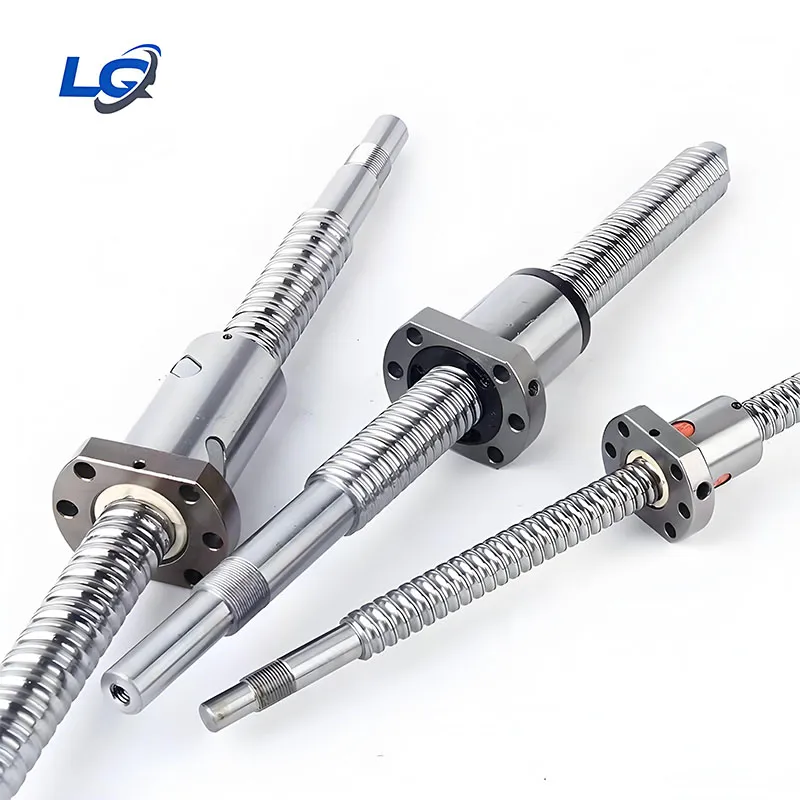
Eine Kugelumlaufspindel funktioniert auf der Grundlage eines Rollkontakts anstelle eines Gleitkontakts. Die Spindelwelle verfügt über gekrümmte Laufbahnen, die oft als Kugelrille bezeichnet werden. Auch die Kugelmutter verfügt über passende Laufbahnen. Wenn sich die Spindel dreht, rollen Stahlkugeln zwischen der Mutter und der Spindelwelle.
Durch diese Abrollbewegung wird die Drehbewegung reibungsarm in eine lineare Bewegung umgewandelt. Die Kugellager verringern die Reibung zwischen Spindel und Mutter, sodass das System ein geringeres Antriebsdrehmoment benötigt. Aus diesem Grund weisen Kugelumlaufspindeln in der Regel einen höheren Wirkungsgrad auf als viele Gleitspindelkonstruktionen.
Eine einfache Bewegungsbahn sieht so aus:
Motordrehung
↓
Die Schraubenwelle dreht sich
↓
Kugellager rollen in der Kugelnut
↓
Die Kugelmutter bewegt sich entlang der Spindel
↓
Die Maschinenachse bewegt sich geradlinig
Ein Kugelrückführsystem sorgt dafür, dass die Stahlkugeln immer wieder durch die Kugelmutter zirkulieren. Diese Kugelumlauflager in der Mutter machen das Kugelumlaufspindelsystem leichtgängig, effizient und geeignet für präzise lineare Bewegungen.
Die Anwendung von Kugelumlaufspindeln Bei CNC-Maschinen handelt es sich hauptsächlich um lineare Achsbewegungen. Kugelumlaufspindeln werden zum Antreiben von Maschinentischen, Schneidköpfen, Spindelschlitten, Z-Achsen, Werkzeugwechslern und Vorschubeinheiten verwendet. Sie dienen dazu, die Bewegung des Motors in eine präzise lineare Bewegung umzuwandeln.
In einer CNC-Fräsmaschine kann eine Kugelumlaufspindel die Z-Achse auf und ab bewegen. In einer Lasergravurmaschine kann sie eine Präzisionsachse für leichte Belastungen bewegen. In einem CNC-Bearbeitungszentrum können Kugelumlaufspindelbaugruppen den Arbeitstisch oder den Schneidkopf mit höherer Steifigkeit und Wiederholgenauigkeit bewegen.
Zu den gängigen Anwendungsbereichen von Kugelumlaufspindeln gehören:
Kugelumlaufspindeln sind unverzichtbar, wenn die Maschine eine präzise Positionssteuerung erfordert. Sie sind nicht einfach nur “Schrauben”. Kugelumlaufspindeln gehören zu den wichtigsten Bewegungselementen, die die Motorleistung in eine nutzbare Maschinenbewegung umwandeln.
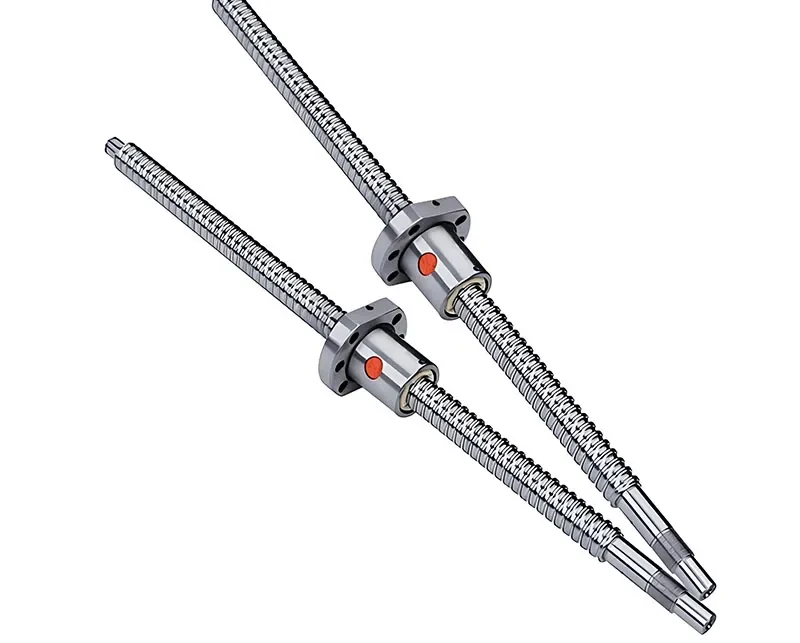
Die Vorteile von Kugelumlaufspindeln liegen in ihrer geringen Reibung und ihrer präzisen Bewegungssteuerung. Kugelumlaufspindeln zeichnen sich durch hohen Wirkungsgrad, gleichmäßigen Lauf, hohe Belastbarkeit und gute Positioniergenauigkeit aus. Aus diesem Grund sind Kugelumlaufspindeln aus vielen CNC- und Automatisierungsmaschinen nicht mehr wegzudenken.
Da Kugellager die Reibung verringern, benötigt der Motor weniger Leistung, um die Last zu bewegen. Dies trägt dazu bei, die Wärmeentwicklung zu reduzieren und die Lebensdauer einer Kugelumlaufspindel zu verlängern, sofern das System richtig ausgewählt und gewartet wird. Kugelumlaufspindeln können schwerere Lasten bewältigen als viele einfache Gleitgewindekonstruktionen.
Zu den wichtigsten Vorteilen zählen:
Geeignet für die Automatisierung und den Dauerbetrieb
Kugelumlaufspindeln bieten einen hohen Mehrwert in Anwendungen, bei denen Genauigkeit, Geschwindigkeit und Langlebigkeit gefragt sind. Aus diesem Grund kommen Hochleistungs-Kugelumlaufspindeln häufig in CNC-Maschinen, der industriellen Automatisierung, medizinischen Geräten, der Elektronikmontage und im Präzisionsmaschinenbau zum Einsatz.
Bei der Präzision geht es nicht nur darum, die teuerste Kugelumlaufspindel zu kaufen. Es kommt darauf an, die Genauigkeit der Spindel, die Steigung, die Vorspannung, die Stützlager, die Montage und die Steifigkeit des Maschinenrahmens aufeinander abzustimmen. Selbst eine robuste Kugelumlaufspindel kann bei falscher Montage eine schlechte Leistung erbringen.
Spiel bezeichnet einen winzigen Bewegungsverlust beim Richtungswechsel. Beim CNC-Schneiden kann Spiel die Position von Bohrungen, die Eckenqualität, die Wiederholgenauigkeit und die Oberflächengüte beeinträchtigen. Eine vorgespannte Kugelumlaufspindel trägt dazu bei, dieses Spiel zu verringern. Eine vorgespannte Kugelumlaufspindel wird häufig eingesetzt, wenn eine höhere Präzision erforderlich ist.
Die Leistung einer Kugelumlaufspindel hängt ab von:
Kugelumlaufspindeln erzielen in der Regel eine gute Wiederholgenauigkeit, wenn sie richtig ausgewählt und eingebaut werden. Für präzise lineare Bewegungen sollte die Kugelumlaufspindel zudem mit einem steifen Linearführungssystem kombiniert werden, um die Stabilität der CNC-Maschine zu gewährleisten. Eine präzise Spindel in Verbindung mit einem schwachen Führungssystem sorgt nicht für eine stabile Maschinengenauigkeit.
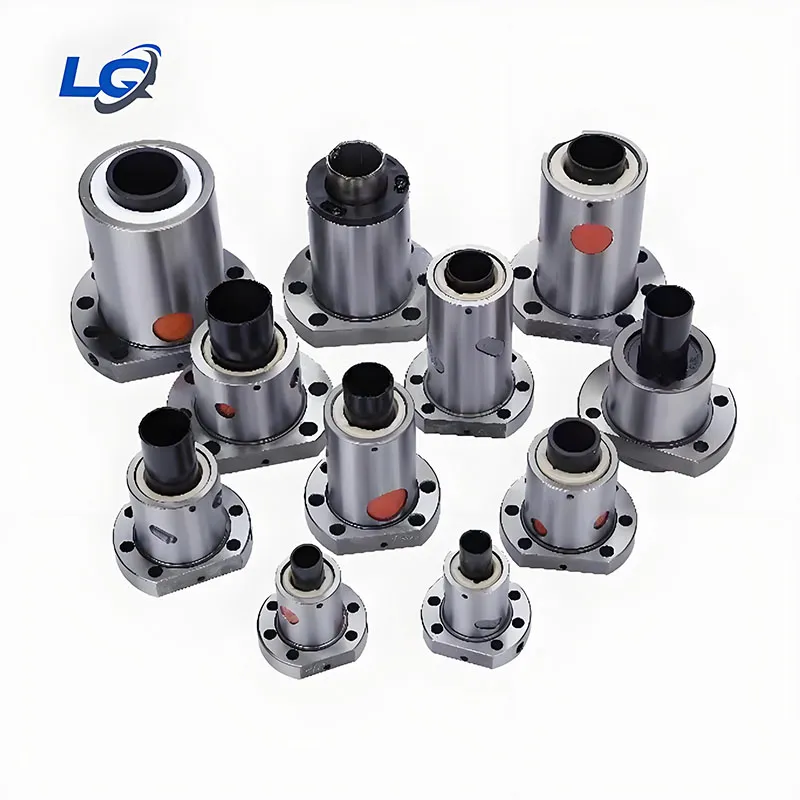
Kugelumlaufspindeln werden häufig in Verbindung mit Servomotoren eingesetzt, da beide Komponenten präzise Bewegungen ermöglichen. Der Servomotor regelt Drehzahl und Position. Die Kugelumlaufspindel wandelt die Drehbewegung in eine präzise lineare Bewegung um. Die Steuerung und der Treiber verarbeiten den Bewegungsbefehl.
Eine typische CNC-Vorschubachse kann Folgendes umfassen:
Steuergerät
↓
Servotreiber
↓
Servomotor
↓
Kupplung
↓
Kugelumlaufspindel
↓
Kugelmutter
↓
Maschinentisch oder Portal
Um eine optimale Achsleistung zu erzielen, sollte die Kugelumlaufspindel auf das Drehmoment, die Drehzahl und die Belastung des Motors abgestimmt sein. LONGQIAO bietet neben Kugelumlaufspindeln auch Servo- und Antriebslösungen für die CNC-Bewegungssteuerung an, sodass Käufer das Bewegungssystem leichter aufeinander abstimmen können.
In manchen Fällen wird zwischen Motor und Spindel zusätzlich ein Planetengetriebe eingebaut. Ein Planetengetriebe zur Drehmomentübertragung bei CNC-Anwendungen trägt dazu bei, das Drehmoment zu erhöhen und die Drehzahlanpassung zu verbessern, wenn die Anwendung eine höhere Kraft oder eine bessere Steuerung erfordert.
LONGQIAO / LQ ist ein in China ansässiger Komplettanbieter von CNC-Maschinenteilen für den globalen Markt. Wir liefern Komponenten für Getriebe und Bewegungssteuerungen, darunter Kugelumlaufspindeln für CNC- und Automatisierungssysteme, Linearführungen, Servo- und Schrittmotorsysteme, Spindelmotoren, Planetengetriebe sowie Zahnstangen- und Ritzel-Systeme.
Für OEMs von CNC-Maschinen, Händler, Handelsunternehmen, Automatisierungsintegratoren sowie Hersteller von CNC-Fräsmaschinen für die Holzbearbeitung, Laserschneidmaschinen, Plasmaschneidmaschinen, 3D-Druckern und Desktop-CNC-Maschinen ist die Auswahl passender Teile oft die größte Herausforderung. Einkäufer benötigen gleichbleibende Qualität, korrekte Kompatibilität, schnelle Lieferung und eine zuverlässige kontinuierliche Versorgung.
Mit LONGQIAO können Einkäufer folgende Produkte beziehen:
Dieses Modell der Komplettversorgung hilft Kunden, Zeit bei der Maschinenentwicklung, der Serienfertigung und der Ersatzteilversorgung nach dem Verkauf zu sparen. Anstatt Teile von vielen verschiedenen Lieferanten zu beziehen, können Einkäufer komplette CNC-Achsen aus einer Hand von einem zuverlässigen Anbieter beziehen.
A Kugelumlaufspindel dient dazu, eine Drehbewegung in eine Linearbewegung umzuwandeln. In CNC-Maschinen und Automatisierungssystemen bewegt es Tische, Portale, Schlitten, Z-Achsen, Vorschubeinheiten und andere Maschinenteile mit hoher Präzision und Effizienz.
Eine Kugelumlaufspindel funktioniert durch das Abrollen von Kugellagern zwischen der Spindelwelle und der Kugelmutter. Wenn sich die Spindelwelle dreht, bewegt sich die Kugelmutter geradlinig. Dadurch wird die Drehbewegung reibungsarm in eine lineare Bewegung umgewandelt.
Eine Kugelumlaufspindel eignet sich in der Regel besser für Anwendungen, bei denen hohe Geschwindigkeiten, hoher Wirkungsgrad, hohe Belastungen und Präzision gefragt sind. Eine Gewindespindel ist oft die bessere Wahl für kostengünstige, einfache, geräuscharme oder selbsthemmende Systeme. Die beste Wahl hängt von der jeweiligen Anwendung ab.
Der Hauptvorteil ist die geringe Reibung. Kugelumlaufspindeln arbeiten mit Wälzlagern, sodass sie ein geringeres Drehmoment benötigen, weniger Wärme entwickeln und eine gleichmäßigere Bewegung ermöglichen als viele Gleitspindelsysteme.
Ja. Kugelumlaufspindeln finden in CNC-Maschinen breite Anwendung, da sie präzise lineare Bewegungen, eine gute Wiederholgenauigkeit und eine effiziente Kraftübertragung gewährleisten. Sie kommen häufig in CNC-Fräsmaschinen, Bearbeitungszentren, Lasermaschinen und Automatisierungsachsen zum Einsatz.
Ja. LONGQIAO kann Einkäufer aus den Bereichen CNC und Automatisierung bei der Auswahl, Abstimmung und Beschaffung von Kugelumlaufspindeln unterstützen. Maßgeschneiderte Kugelumlaufspindeln können anhand von Durchmesser, Steigung, Länge, Muttertyp, Genauigkeitsklasse, Endbearbeitung und Anwendungsanforderungen ausgewählt werden.