
Machines often fail to achieve stable precision because motion components wear, misalign, or lack rigidity. This leads to vibration, poor positioning, and downtime. A high-quality linear guide solves these issues by ensuring smooth, rigid, and precise linear motion for CNC and automation equipment.
A linear guide is a precision mechanical component that enables smooth, accurate linear motion by guiding a carriage along a hardened rail with recirculating ball or roller bearings. It provides high load capacity, rigidity, and positioning accuracy, making it essential for CNC machines, automation systems, robotics, and industrial machinery.
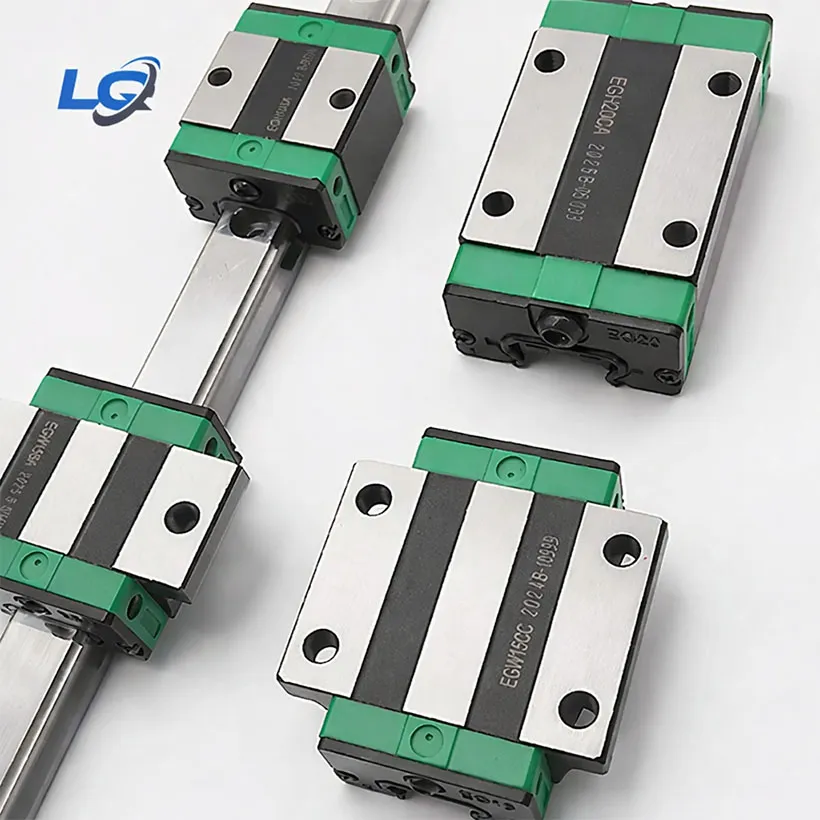
A linear guide is a precision mechanical component that allows controlled linear motion along a straight rail. It consists of a hardened guide rail and a moving carriage containing recirculating ball bearing or roller bearings. These rolling elements recirculate inside raceways, reducing friction and enabling smoother motion.
In modern linear motion systems, the linear guide supports and positions machine parts with high precision. The carriage moves along the rail with minimal deflection, ensuring accurate position control in CNC machine tools and automation equipment. Because rolling friction replaces sliding friction, wear is low and motion is consistent.
A well-designed linear guide rail distributes load across multiple contact points. This increases rigidity and high load capacity. As a result, linear guides play a crucial role in precise linear movement across many industrial applications.
Rigidity determines how much a linear guide deflects under load. High rigidity ensures stable positioning accuracy and smoother motion. Without sufficient rigidity, machine tools lose precision.
Preload is applied by slightly oversizing rolling elements inside the carriage. This removes internal clearance and improves load capacity and rigidity. Preload also enhances damping and reduces vibration.
In high-performance automation or CNC machining, preload ensures:
Therefore, preload and raceway design are essential parts of linear guide technology.
A ball screw converts rotary motion into linear motion. A linear guide controls the direction and stability of that motion. Both components form a complete axis.
In a CNC machine, the actuator (ball screw or motor) generates thrust. The linear guide rail supports and guides the moving table. This combination enables precise linear positioning.
Key roles:
Without linear guides and linear motion components working together, positioning accuracy and rigidity would be impossible. That is why guides and ball screws are always paired in precision machinery.
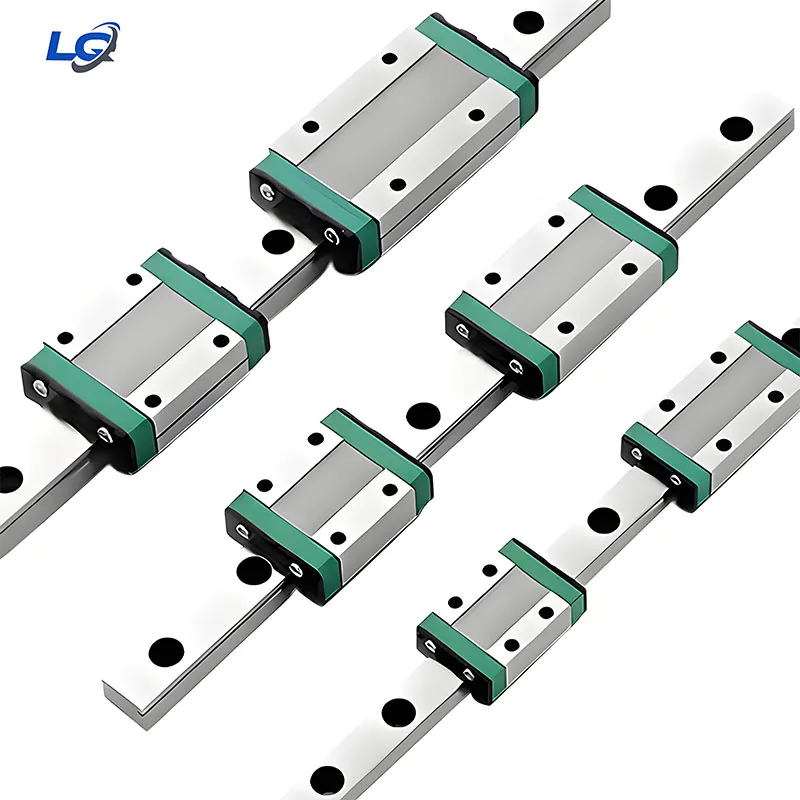
Choosing the right linear guide depends on load, speed, environment, and machine design. Engineers must evaluate several factors.
High load applications such as machining centers require heavy duty linear guide systems. Light automation equipment may use smaller ball linear guides.
High precision CNC machines need high preload linear guide blocks. Automation conveyors may use standard preload.
Dust, coolant, or corrosion environments require stainless steel linear guide rails with sealing and lubrication protection.
Checklist for choosing the right linear guide:
Choosing the right linear guide ensures long service life and reliable motion.
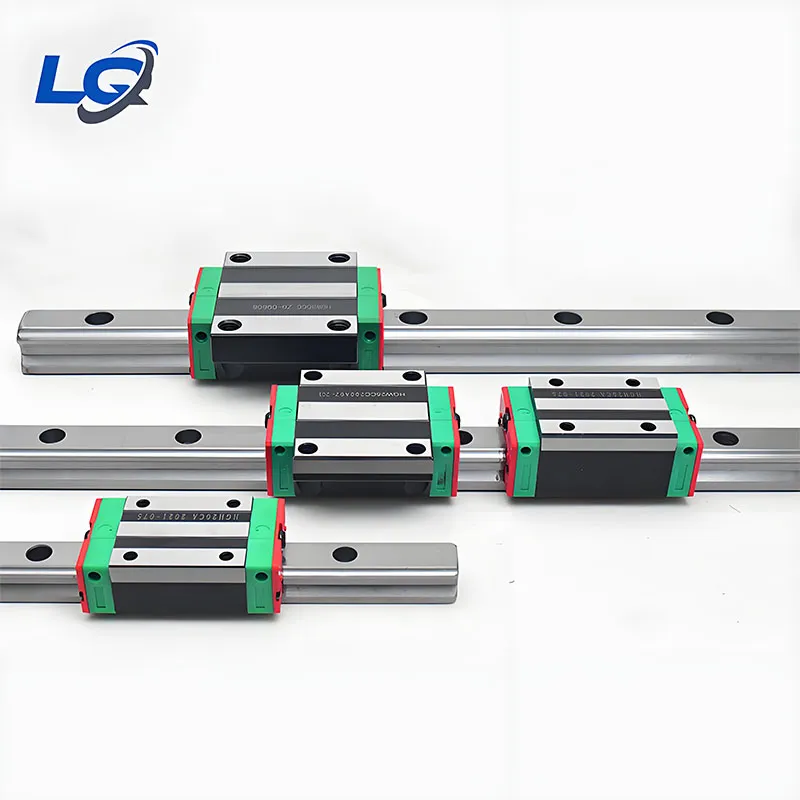
Standard linear guides use hardened and ground alloy steel. However, harsh environments such as food processing or medical equipment require stainless steel linear guide rails.
Benefits:
Stainless steel linear guide systems maintain lubrication and precision in humid or contaminated environments. They meet specific application needs where standard rail made from carbon steel would fail.
This expands the linear guide’s usability into industries like:
Linear guides play a central role in automation machinery. Their precise linear movement enables positioning and transport across industries.
Typical applications:
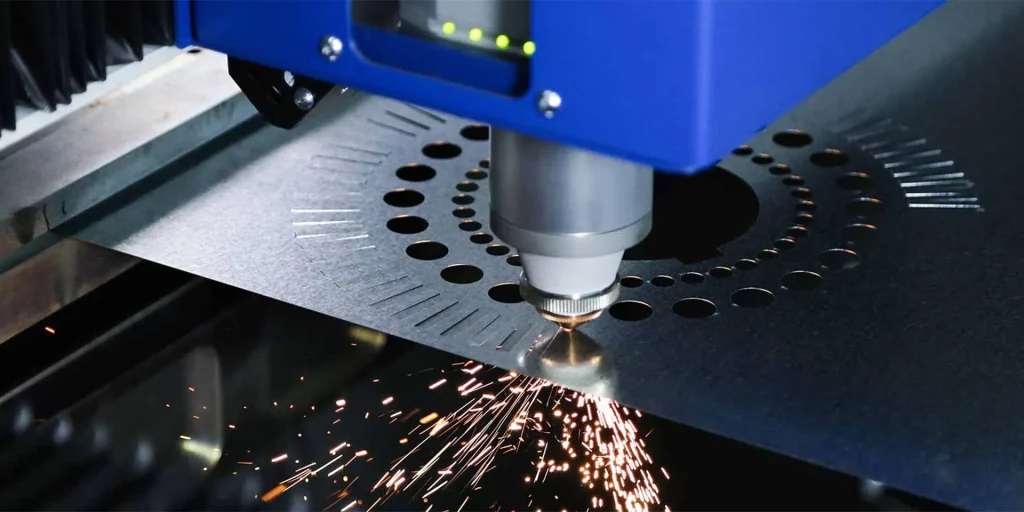
In automation equipment, linear guides and linear motion components allow components to move or position accurately. High-performance rail system designs ensure repeatable motion in production machinery.
Case example:
A packaging machine using precision linear guide rails improved throughput by 18% after replacing sliding guideways with recirculating ball linear guides.
A linear guide is used to provide smooth and precise linear motion in machines such as CNC equipment, automation systems, and robotics. It guides moving parts along a straight path with high rigidity and accuracy.
Linear bearings support motion along a shaft, while a linear guide rail system supports motion along a flat rail. Linear guides provide higher load capacity and rigidity than standard linear bearings.
Service life depends on load, lubrication, and environment. Properly lubricated linear guide systems can operate for millions of cycles in industrial machinery.
Common causes include poor lubrication, overload, contamination, misalignment, or insufficient preload. Correct installation and maintenance prevent premature failure.
Yes. Heavy duty linear guide systems using roller bearings and hardened steel rails are designed to handle heavy loads and moment loads in machine tools.
Select based on load capacity, accuracy, environment, and machine design. Choosing the right linear guide ensures reliable motion and long service life.