Введение
Если вы занимаетесь обработкой на станках с ЧПУ, то один вопрос возникает снова и снова:
“Можно ли использовать один и тот же шпиндель с ЧПУ как для обработки дерева, так и для резьбы по камню?”
Короткий ответ — нет, и попытка сделать это может обойтись вам в тысячи из-за поврежденного оборудования, испорченных материалов и потерянного времени.
Но более подробный ответ гораздо интереснее. Понимание того, почему для этих двух задач требуются совершенно разные шпиндели, поможет вам принять правильное решение при покупке, избежать дорогостоящих ошибок и добиться максимально возможных результатов при работе на станке с ЧПУ.
В этом руководстве я подробно расскажу обо всем, что вам нужно знать о выборе шпинделя с ЧПУ для деревообработки и резьбы по камню — от требований к мощности и скорости до методов охлаждения и примеров практического применения.
Краткий обзор: деревянные и каменные балясины — сравнение
Прежде чем углубиться в тему, давайте сначала рассмотрим общее сравнение
| Характеристика |
Шпиндель для деревообработки |
Веретено для резьбы по камню |
| Диапазон мощности |
1,5 кВт – 5,5 кВт |
5,5 кВт – 15 кВт (или более) |
| Диапазон скоростей |
18 000 – 24 000 об/мин |
8 000 – 18 000 об/мин |
| Метод охлаждения |
С воздушным охлаждением или с водяным охлаждением |
С водяным охлаждением (обязательно) |
| Акцент на крутящем моменте |
Высокая скорость, умеренный крутящий момент |
Низкая скорость, высокий крутящий момент |
| Тип инструмента |
Твердосплавные сверла (острые кромки) |
Алмазные инструменты (износостойкие) |
| Рама станка |
Более лёгкий алюминий/сталь |
Тяжёлый чугун/сталь |
| Основная цель |
Чистые пропилы, высокая скорость |
Мощность и стабильность |
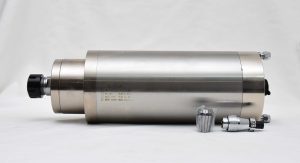
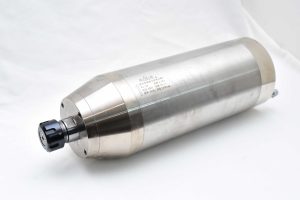
Если вам нужны другие типы двигателей шпинделей с ЧПУ, пожалуйста, свяжитесь с нами, чтобы узнать о новейших моделях. каталог
Часть 1: Шпиндели с ЧПУ для деревообработки — скорость превыше всего
В деревообработке главное — это скорость и качество отделки. Древесина относительно мягкая и волокнистая, а это значит, что её можно быстро распиливать, не прикладывая огромного крутящего момента.
Рекомендации по мощности для дерева
Небольшие мастерские / любители: мощности от 1,5 кВт до 2,2 кВт достаточно для работы с хвойными породами, фанерой и МДФ
Профессиональные столярные мастерские: 3 кВт – 4,5 кВт для твердых пород дерева, таких как дуб и клен
Промышленное производство (обработка на станках с ЧПУ): до 9 кВт для резки в больших объемах
Почему высокая частота вращения важна при работе с деревом
Деревянные шпиндели обычно работают со скоростью от 18 000 до 24 000 об/мин. Вот почему:
Более чистые пропилы: высокая скорость предотвращает вырывание материала и образование заусенцев
| Тип охлаждения |
Плюсы |
Недостатки |
| С воздушным охлаждением |
Более простая установка, меньшие затраты на обслуживание, технология «plug-and-play» |
Более громкий, менее стабильный контроль температуры |
| С водяным охлаждением |
Более тихая работа и лучшая стабильность температуры при длительной работе |
Требуется настройка насоса и системы охлаждения, более сложная процедура |
|
|
|
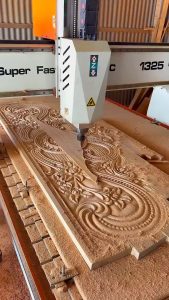
Распространенные области применения в деревообработке
-
Мебель из массива дерева (стулья, столы, шкафы)
-
Резьба по дереву на дверях и декоративная лепнина
-
Деревянные вывески и таблички
-
Музыкальные инструменты
-
Резка фанеры для мебели в разобранном виде
-
Обработка ПВХ, акрила и МДФ
Часть 2: Шпиндели с ЧПУ для резьбы по камню — мощность решает всё
Резьба по камню — это совершенно другая игра. Гранит, мрамор и кварц не “режутся” — они стирать. По сути, вы шлифуете материал, удаляя его по одной крошечной частичке за раз. Для этого требуется огромный крутящий момент, сверхпрочная конструкция и специальная система охлаждения-2.
Требования к питанию для Stone
-
Минимальные требования к каменным работам: 5,5 кВт (это минимальное значение)-9
-
Профессиональная обработка камня: 6 кВт – 9 кВт-2
-
Крупномасштабное промышленное: 11 кВт – 15 кВт или более-3
Зачем столько мощности? Камень — твёрдый и плотный материал. Шпиндель с низкой мощностью:
-
Перегрев и отключение
-
Застревание при глубоких пропилах
-
Преждевременный износ насадок
-
Давать некачественные результаты
Скорость: чем ниже, тем лучше
В отличие от деревообработки, каменные шпиндели работают на гораздо более низких скоростях — как правило, от 8 000 до 18 000 об/мин.
Здесь главное — крутящий момент, а не скорость. Нужно, чтобы шпиндель прорезался через материал, не заглохнув. Представьте себе, как вы ведете грузовик в гору по крутому склону — вам нужна мощность на низких оборотах, а не максимальная скорость.
Охлаждение: водяное охлаждение — обязательное условие
Это крайне важно: шпиндели для резьбы по камню ДОЛЖНЫ иметь водяное охлаждение.
Почему?
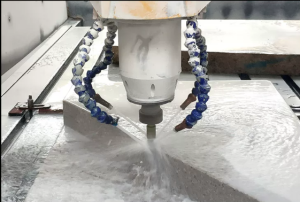
Управление тепловым режимом — при шлифовании камня выделяется огромное количество тепла, которое привело бы к выходу из строя шпинделя с воздушным охлаждением
Подавление пыли — вода улавливает вредную кремнеземную пыль, которая в противном случае попала бы в воздух
Срок службы инструмента — алмазные инструменты требуют водяного охлаждения для предотвращения термического износа
💡 Совет от профессионала: добавьте в охлаждающую воду антикоррозионные присадки, например гликоль, чтобы предотвратить образование ржавчины внутри шпинделя.
Различия в конструкции
Станки для резьбы по камню имеют различную конструкцию:
Более массивная рама: из чугуна или толстостенной стали для гашения вибрации
Улучшенные уплотнители: дополнительная защита от абразивной каменной пыли
Усиленные подшипники: подшипники повышенной прочности, способные выдерживать постоянные высокие нагрузки
Управление водными ресурсами: встроенные водосборные колодцы или системы сбора воды
Распространенные области применения камня
-
Столешницы из гранита и мрамора
-
Надгробные памятники и монументы
-
Архитектурные каменные элементы (колонны, отделочные элементы)
-
Каменные скульптуры и рельефы
-
Керамическая и фарфоровая плитка
-
Травление стекла
Часть 3: Как сделать выбор — схема принятия решений
Задайте себе следующие вопросы
1. Какой материал вы будете обрабатывать в 80% случаев?
-
Преимущественно дерево → Купите шпиндель, оптимизированный для работы с деревом
-
Преимущественно камень → Купить шпиндель, оптимизированный для работы с камнем
-
Соотношение 50/50 → Рассмотрим два станка (серьёзно)
2. Каков ваш бюджет?
-
Деревянные шпиндели: $500 – $3 000 (более доступные по цене)
-
Каменные шпиндели: $2,000 – $10,000+ (значительные инвестиции)-3
3. Каков ваш объем производства?
-
Небольшой объем / хобби → Подойдет деревянный шпиндель начального уровня
-
Крупномасштабное коммерческое производство → Для любого из этих материалов следует инвестировать в оборудование промышленного класса
4. Обеспечена ли у вас надлежащая система удаления пыли и воды?
Часть 4: Распространённые ошибки, которых следует избегать
❌ Ошибка #1: Покупка, основанная исключительно на цене
Недорогой шпиндель обойдётся вам дороже из-за простоев, брака и затрат на запасные части. Инвестируйте в качество-2.
❌ Ошибка #2: Предположение, что “большая мощность — это всегда лучше”
При обработке дерева слишком высокая мощность без надлежащего регулирования скорости может привести к перегоранию материала. Подберите шпиндель в соответствии с условиями эксплуатации.
❌ Ошибка #3: Пренебрежение техническим обслуживанием
-
Деревянные шпиндели: регулярно удаляйте пыль с ребер охлаждения
-
Каменные шпиндели: проверьте качество воды, промойте систему охлаждения, осмотрите уплотнения
❌ Ошибка #4: Использование неподходящего инструмента
Мощный шпиндель бесполезен с дешевыми сверлами. Качество инструмента должно соответствовать сумме, вложенной в шпиндель.
Вывод: подбирайте инструмент в соответствии с задачей
Итак, итог таков:
Для деревообработки: выберите высокоскоростной шпиндель (18k–24k RPM) мощностью 1,5 кВт–5,5 кВт. Для большинства мастерских подойдет шпиндель с воздушным охлаждением.
Для резьбы по камню: выбирайте шпиндель с высоким крутящим моментом и водяным охлаждением мощностью 5,5 кВт и более. Не экономьте на качестве изготовления.
И ни в коем случае не пытайтесь вырезать камень деревянным шпинделем. Эта ошибка обойдётся вам дорого — и может быть опасной.
Вопросы и ответы
Вопрос: Можно ли впоследствии модернизировать мою деревянную шпиндельную токарную машину, чтобы она могла обрабатывать камень?
A: Как правило, нет. Рама станка, система охлаждения и шпиндель полностью отличаются. Вам понадобится новый станок.
Вопрос: Какой размер шпинделя чаще всего используется в небольших столярных мастерских?
A: 2,2 кВт, с воздушным охлаждением. Это идеальный вариант для любителей и малых предприятий.
Вопрос: Сколько времени должен прослужить качественный шпиндель?
A: При надлежащем уходе срок регулярной эксплуатации в 5–10 лет вполне реальный.
Вопрос: Нужен ли мне частотно-регулируемый привод (ЧРП) для моего шпинделя?
A: Да. Частотно-регулируемый привод (VFD) позволяет регулировать скорость, что крайне важно как при работе с деревом, так и с камнем.