
Hệ thống lái kém có thể khiến bất kỳ phương tiện nào cũng trở nên thiếu an toàn. Khi phản ứng của hệ thống lái trở nên lỏng lẻo, nặng nề hoặc phát ra tiếng ồn, nguyên nhân thường xuất phát từ bộ bánh răng và thanh răng. Để khắc phục, cần phải hiểu rõ cách thức hoạt động của hệ thống, những bộ phận nào dễ bị mòn và khi nào cần sửa chữa hoặc thay thế.
Hệ thống lái bánh răng và thanh răng chuyển đổi chuyển động quay của vô-lăng thành chuyển động sang hai bên, giúp điều khiển hướng của các bánh xe. Bánh răng nhỏ làm quay thanh răng, từ đó di chuyển các đầu thanh liên kết và thay đổi hướng của bánh xe. Trong các phương tiện hiện đại, thiết kế này được ưa chuộng vì mang lại phản ứng nhạy bén hơn, cấu trúc gọn gàng hơn và dễ điều khiển hơn so với các kiểu hệ thống lái cũ.
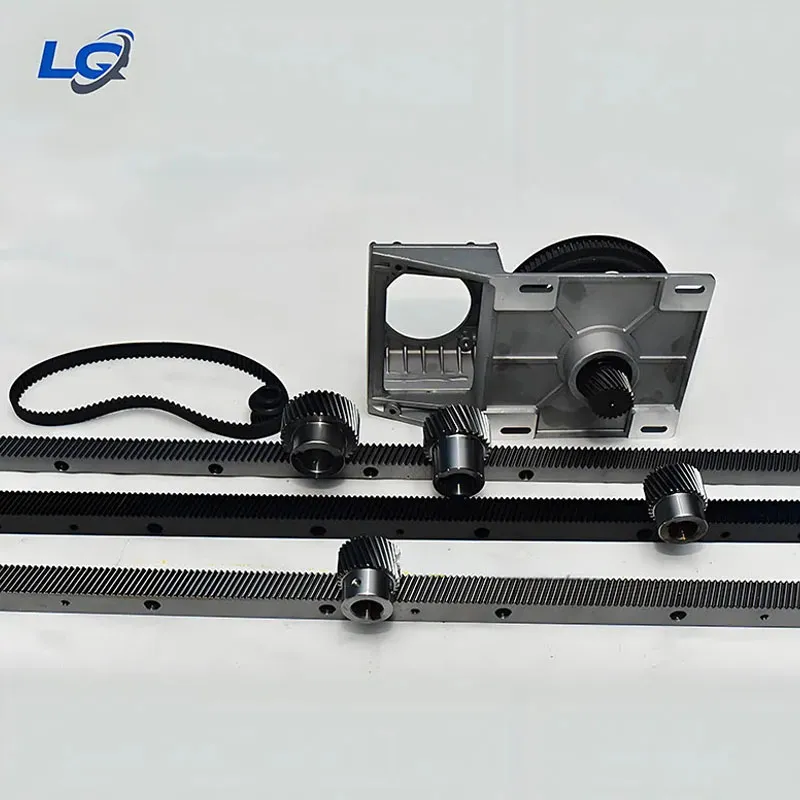
Nếu bạn hoạt động trong lĩnh vực linh kiện truyền động và chuyển động, nguyên lý cốt lõi của hệ thống thanh răng và bánh răng có ý nghĩa vượt xa phạm vi ngành ô tô. LONGQIAO / LQ áp dụng cùng một nguyên lý truyền động vào các hệ thống truyền động tuyến tính công nghiệp, cung cấp các giải pháp thanh răng và bánh răng cho máy CNC và tự động hóa, hệ thống dẫn hướng tuyến tính, cụm vít bi SFU, động cơ servo và bộ điều khiển, các đơn vị ray dẫn hướng, cùng các sản phẩm hộp số hành tinh. Đối với các nhà sản xuất thiết bị gốc (OEM) và nhà phân phối, mô hình "một cửa" này giúp cải thiện tính tương thích, thời gian giao hàng và hiệu quả mua sắm.
A bánh răng và thanh răng Cơ cấu này là một thiết kế hệ thống lái chuyển đổi chuyển động quay thành chuyển động thẳng. Khi bạn xoay vô-lăng, trục đầu vào sẽ làm quay một bánh răng nhỏ. Bánh răng nhỏ này khớp với các răng trên thanh răng, vốn là một loại bánh răng tuyến tính. Khi bánh răng quay, nó sẽ đẩy thanh răng sang một bên.
Chính chuyển động ngang đó là yếu tố giúp hệ thống điều khiển hướng đi. Thanh răng kết nối với một cặp thanh kéo, và các thanh này truyền chuyển động đến các bánh xe thông qua cơ cấu truyền động lái. Nói một cách đơn giản, người lái xoay một bộ phận điều khiển hình tròn, và hệ thống sẽ chuyển đổi chuyển động đó thành lực đẩy sang trái hoặc sang phải. Đó chính là cách hệ thống lái thanh răng và bánh răng giúp điều khiển hướng đi của các bánh xe.
Tôi thường giải thích như thế này: bánh răng nhỏ quay, thanh răng trượt, và xe đổi hướng. Chính mối quan hệ đơn giản đó là lý do tại sao hệ thống lái thanh răng và bánh răng nhỏ trở thành một trong những hệ thống lái phổ biến nhất trên các mẫu xe hiện đại.
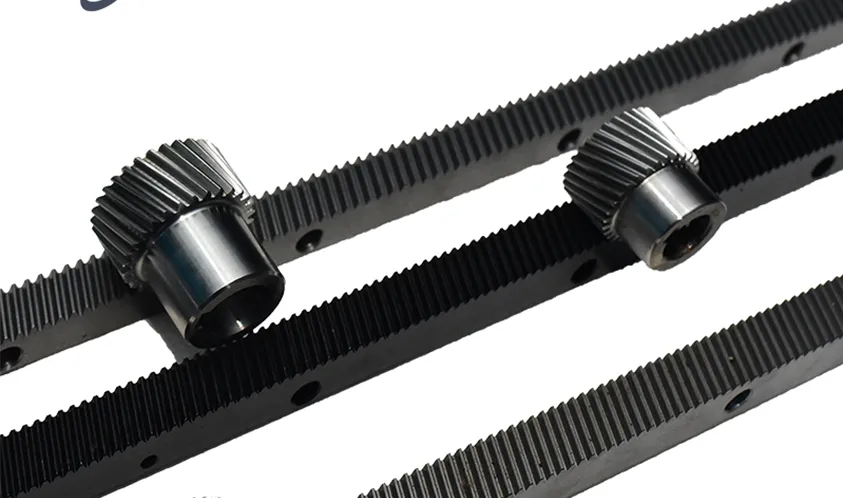
Về cơ bản, quy trình hoạt động mang tính cơ học, ngay cả khi được trang bị các hệ thống hỗ trợ. Vô-lăng được kết nối với phía đầu vào của bộ truyền động lái thông qua cột lái và trục lái. Bánh răng pinion được gắn vào trục đó, do đó khi người lái xoay vô-lăng, bánh răng pinion sẽ quay theo.
Khi đó, các răng bánh răng sẽ khớp với các răng thanh răng, khiến thanh răng di chuyển. Thanh răng có thể di chuyển sang trái hoặc sang phải tùy theo hướng lái. Đây chính là cơ chế chuyển đổi chuyển động quay thành chuyển động tịnh tiến. Chuyển động của thanh răng sau đó sẽ kéo hoặc đẩy các khớp thanh nối, từ đó làm di chuyển các bánh xe trước.
Các hệ thống lái cũ hơn, chẳng hạn như thiết kế hệ thống bi tuần hoàn, đã được sử dụng phổ biến trong nhiều năm, đặc biệt là trên các loại xe cỡ lớn. Chúng có độ bền cao, nhưng thường bao gồm nhiều bộ phận hơn và cảm giác lái có thể kém trực tiếp hơn so với hệ thống lái thanh răng và bánh răng. Cấu trúc mới hơn thường mang lại khả năng bố trí linh hoạt hơn và phản ứng trực tiếp hơn.
Một trong những lý do chính là cảm giác lái. A bánh răng và thanh răng Hệ thống này thường mang lại phản hồi trực tiếp hơn và khả năng phản ứng của vô-lăng tốt hơn. Điều này giúp người lái cảm nhận được tình trạng của lốp xe. Nhiều người mô tả điều này là khả năng phản ứng nhạy bén hơn, đặc biệt là khi chuyển làn, vào cua và đỗ xe ở tốc độ thấp.
Một lý do khác là trọng lượng và tính đơn giản. Cấu trúc bánh răng và thanh răng thường nhẹ hơn và gọn gàng hơn so với một số thiết kế hộp lái cũ. Điều này giúp các nhà thiết kế tiết kiệm không gian trong các phương tiện hiện đại và nâng cao trải nghiệm lái xe tổng thể.
Bộ truyền động bánh răng và thanh răng của hệ thống lái trợ lực vẫn giữ nguyên tỷ số truyền cơ bản nhưng được bổ sung các bộ phận trợ lực. Thanh răng cơ khí vẫn di chuyển và bánh răng vẫn truyền động cho nó, nhưng hệ thống nay đã có thêm sự hỗ trợ. Sự hỗ trợ này có thể đến từ áp suất thủy lực hoặc động cơ điện, tùy thuộc vào thiết kế.
Trong hệ thống thủy lực, dầu trợ lực lái chảy qua hệ thống và giúp di chuyển thanh răng. Áp suất thay đổi tùy theo mức độ xoay vô-lăng. Đó là lý do tại sao việc kiểm tra mức dầu trợ lực lái lại rất quan trọng đối với các hệ thống thủy lực cũ. Nếu mức dầu thấp hoặc bị nhiễm bẩn, vô-lăng có thể trở nên nặng nề, phát ra tiếng ồn hoặc hoạt động không ổn định.
Trên thực tế, bộ phận trợ lực vẫn là một cụm thanh răng và bánh răng. Nó chỉ bổ sung thêm lực hỗ trợ. Do đó, hệ thống vẫn giữ được tính trực tiếp và gọn nhẹ, đồng thời mang lại cho người lái sự thoải mái hơn và khả năng điều khiển dễ dàng hơn ở tốc độ thấp.
Giống như bất kỳ bộ phận chuyển động nào, bộ truyền động bánh răng và thanh răng có thể bị mòn theo thời gian. Các vấn đề thường gặp nhất bao gồm mòn bên trong, khớp thanh nối bị lỏng, rò rỉ dầu trong hệ thống thủy lực, và các giá đỡ hoặc ống lót bánh răng bị mòn. Tất cả những yếu tố này đều có thể làm giảm chất lượng hệ thống lái.
Một số vấn đề thường gặp bao gồm:
Những triệu chứng này thường cho thấy sự mòn bên trong bánh răng và thanh răng bộ phận lái hoặc các bộ phận liên quan đến hệ thống lái và hệ thống treo. Khi người lái xe nhận thấy hiện tượng lỏng lẻo hoặc tiếng ồn ngày càng tăng, đó là thời điểm thích hợp để kiểm tra hệ thống.
Việc thay thế bộ bánh răng và thanh răng là cần thiết khi mức độ mòn đã quá nghiêm trọng đến mức không thể điều chỉnh được nữa hoặc khi bộ phận này bị hư hỏng nghiêm trọng bên trong. Các trường hợp như rò rỉ nghiêm trọng, độ rơ bên trong quá lớn, giá đỡ bị gãy hoặc bánh răng bị mòn nặng đều là những lý do chính đáng để thay thế. Nếu hệ thống lái trở nên không đáng tin cậy, không nên bỏ qua vấn đề này.
Đôi khi người mua tìm mua bộ bánh răng và thanh răng hoàn chỉnh vì việc thay thế toàn bộ cụm này đơn giản hơn so với việc sửa chữa lại một cụm có nhiều bộ phận đã mòn. Một bộ hoàn chỉnh có thể giúp khôi phục độ chính xác, cảm giác lái và độ tin cậy nhanh hơn, đặc biệt là khi xe đã chạy nhiều km hoặc có nhiều bộ phận bị mòn.
Các lý do phổ biến dẫn đến việc thay thế bao gồm:
Khi bộ truyền động bánh răng và thanh răng không còn đáng tin cậy, việc thay thế thường là giải pháp lâu dài an toàn và tiết kiệm hơn.
Hệ thống lái bi tuần hoàn được sử dụng rộng rãi nhờ độ bền cao và khả năng chịu tải tốt, đặc biệt là trên các loại xe cỡ lớn. Hệ thống này sử dụng một cơ chế bên trong khác biệt, với các vòng bi di chuyển bên trong hộp số để giảm lực cản. Hệ thống này rất chắc chắn, nhưng thường mang lại cảm giác lái kém trực tiếp hơn so với hệ thống lái thanh răng và bánh răng.
Ngược lại, hệ thống thanh răng và bánh răng mang lại một cơ chế đơn giản hơn trong việc chuyển đổi lực điều khiển của người lái thành hướng di chuyển của bánh xe. Điều này thường đồng nghĩa với phản ứng lái nhạy bén hơn, cấu trúc nhẹ hơn và cảm giác lái trực tiếp hơn. Đối với xe du lịch và nhiều mẫu xe hướng đến hiệu suất cao, điều này đã khiến hệ thống thanh răng và bánh răng trở thành lựa chọn ưu tiên.
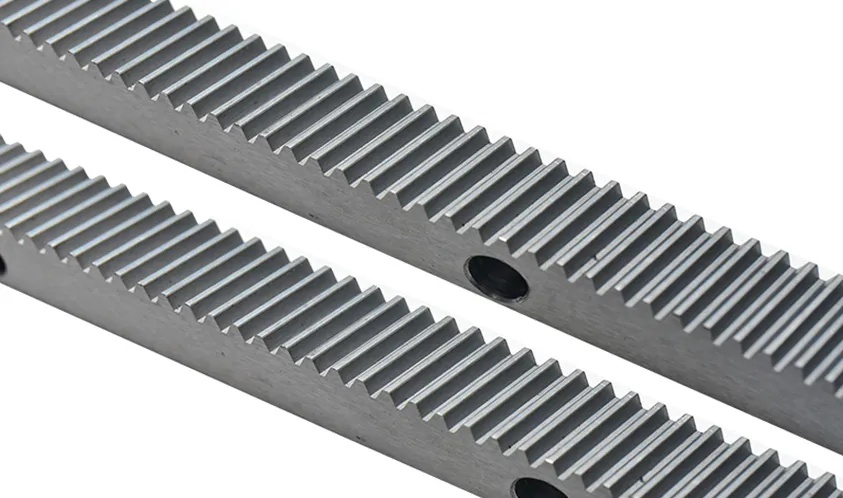
Mặc dù bản tóm tắt từ khóa tập trung vào hệ thống lái, nhưng nguyên lý truyền động cơ bản đằng sau cơ cấu thanh răng và bánh răng cũng có vai trò quan trọng trong ngành công nghiệp. Trong lĩnh vực ô tô, cơ cấu này giúp điều khiển hướng di chuyển. Trong lĩnh vực CNC và tự động hóa, nó chuyển đổi chuyển động quay của trục truyền động thành chuyển động thẳng có kiểm soát. Nguyên lý hoạt động là như nhau: đầu vào dạng bánh răng được chuyển đổi thành đầu ra tuyến tính.
Đó chính là lý do tại sao Của LONGQIAO công nghiệp bánh răng và thanh răng hệ thống
điều này rất quan trọng đối với các nhà sản xuất máy móc. Trong các trục có hành trình dài, trong nhiều trường hợp, bộ bánh răng và thanh răng được thiết kế tốt có thể mang lại độ cứng, khả năng chịu tải và độ ổn định cao hơn so với các cấu trúc sử dụng dây đai đơn giản. Cách tiếp cận tương tự về truyền động này cũng áp dụng cho các hệ thống dẫn hướng tuyến tính, cụm vít bi và các hệ thống chuyển động điều khiển bằng servo
Đối với các nhà sản xuất thiết bị gốc (OEM) và nhà phân phối, đây chính là nơi tạo ra giá trị. Một nhà cung cấp am hiểu về cơ chế truyền động trong cả hai lĩnh vực: hệ thống lái và hệ thống chuyển động tuyến tính công nghiệp, sẽ có thể hỗ trợ việc thiết kế máy móc đáng tin cậy hơn và lập kế hoạch dự trữ phụ tùng hiệu quả hơn.
Hãy tưởng tượng một chiếc xe có các bộ phận bên trong hệ thống lái bị mòn và các khớp nối lỏng lẻo. Người lái xe nhận thấy rằng khi xoay vô-lăng, phản ứng có vẻ chậm trễ. Sự chậm trễ đó làm giảm sự tự tin. Nó cũng ảnh hưởng đến cảm giác tiếp xúc với mặt đường và khả năng kiểm soát. Theo thời gian, những hư hỏng nhỏ sẽ trở thành vấn đề an toàn nghiêm trọng.
Điều này cũng đúng với thiết bị công nghiệp. Nếu hệ thống truyền động có độ lỏng lẻo, máy móc sẽ mất đi chất lượng. Khả năng phản hồi là yếu tố quan trọng. Độ tin cậy là yếu tố quan trọng. Dù bạn đang nói về hệ thống lái bánh răng và thanh răng hay phần cứng truyền động CNC, hiệu suất của hệ thống truyền động sẽ quyết định kết quả cuối cùng.
Đó là lý do tại sao những người mua thông minh không chỉ nhìn vào bề ngoài. Họ không chỉ so sánh giá cả, mà còn xem xét cấu trúc, chất liệu, khả năng tương thích và độ bền lâu dài.
Bánh răng và thanh răng Hệ thống lái là một hệ thống sử dụng một bánh răng nhỏ quay để di chuyển thanh răng sang trái hoặc sang phải. Chuyển động đó giúp điều khiển hướng của các bánh trước.
Hệ thống trợ lực lái cung cấp lực hỗ trợ thông qua cơ chế thủy lực hoặc điện. Điều này giúp giảm lực cần thiết để điều khiển vô-lăng và làm cho việc rẽ trở nên dễ dàng hơn, đặc biệt là ở tốc độ thấp.
Các dấu hiệu thường gặp bao gồm rò rỉ chất lỏng, tay lái lỏng lẻo, tiếng kêu lạch cạch, phản ứng tay lái không đều và độ rơ quá mức ở vô-lăng.
Bạn nên cân nhắc thay thế bộ bánh răng và thanh răng khi thiết bị bị rò rỉ nghiêm trọng, có hiện tượng lỏng lẻo gây nguy hiểm hoặc bị hư hỏng bên trong mà không thể sửa chữa một cách đáng tin cậy.
Đối với nhiều loại xe chở khách, câu trả lời là có. Hệ thống lái bánh răng và thanh răng thường mang lại phản ứng nhạy bén hơn, cảm giác lái trực tiếp hơn và thiết kế gọn gàng hơn so với hệ thống lái bi tuần hoàn.
Đúng vậy. Nguyên lý bánh răng này được ứng dụng rộng rãi trong các hệ thống truyền động công nghiệp dành cho CNC và tự động hóa, nơi tín hiệu đầu vào quay phải tạo ra chuyển động tuyến tính có thể điều khiển được.