
Một máy CNC có thể trông rất chắc chắn nhưng vẫn cắt không tốt. Nguyên nhân thường là do chuyển động của trục không ổn định. Nếu trục vít bi có độ trễ, bị mòn hoặc không khớp nhau, độ chính xác sẽ giảm nhanh chóng. Một trục vít bi chất lượng tốt hơn sẽ giúp khôi phục chuyển động mượt mà, ổn định và chính xác.
Vít bi là một bộ phận chuyển động tuyến tính chính xác, có chức năng chuyển đổi chuyển động quay thành chuyển động tuyến tính thông qua trục vít, đai ốc bi và các viên bi tuần hoàn. Bộ phận này được sử dụng trong máy phay CNC, máy laser, dây chuyền tự động hóa, máy in 3D và các thiết bị chính xác nhờ mang lại hiệu suất cao, chuyển động êm ái và khả năng định vị lặp lại chính xác.
A vít bi là một bộ phận truyền động cơ khí. Bộ phận này chuyển đổi chuyển động quay từ động cơ thành chuyển động thẳng tuyến tính. Trong máy CNC, chuyển động này điều khiển trục X, Y hoặc Z. Do đó, khi vít bi hoạt động trơn tru, máy sẽ cắt, khắc, khoan hoặc định vị các chi tiết chính xác hơn.
Cấu trúc cơ bản bao gồm trục vít, đai ốc bi và các viên bi lăn. Thomson mô tả cụm vít bi là một thiết bị chuyển đổi chuyển động quay thành chuyển động tịnh tiến bằng cách sử dụng vít bi chính xác và đai ốc bi có ổ bi tuần hoàn. Đây là lý do tại sao vít bi được sử dụng rộng rãi trong các ứng dụng đòi hỏi chuyển động êm ái và độ chính xác cao.
Đối với các nhà sản xuất thiết bị gốc (OEM) CNC, nhà phân phối và nhà chế tạo máy, độ chính xác không chỉ là một thuật ngữ kỹ thuật. Nó ảnh hưởng đến chất lượng sản phẩm, khiếu nại của khách hàng, chi phí hậu mãi và uy tín của máy móc. Một trục vít bi chất lượng thấp có thể gây ra hiện tượng di chuyển giật cục, sai số vị trí lặp lại, bề mặt gia công kém và mài mòn sớm. Một trục vít bi được lựa chọn phù hợp sẽ giúp máy hoạt động ổn định, êm ái và đáng tin cậy.
Để hiểu cơ chế hoạt động của trục vít bi, hãy tưởng tượng một động cơ đang làm quay một trục ren. Động cơ làm quay trục vít. Bên trong đai ốc bi, những quả bi thép nhỏ lăn giữa đai ốc và các rãnh trên trục. Sự tiếp xúc lăn này làm cho đai ốc di chuyển về phía trước hoặc phía sau.
Nói một cách đơn giản, một vít bi chuyển đổi chuyển động quay thành chuyển động tịnh tiến. Thay vì trượt như trục vít dẫn truyền truyền thống, nó lăn. Chuyển động lăn này giúp giảm ma sát. Lin Engineering giải thích rằng hệ thống dẫn hướng bi rất quan trọng vì nó giúp các bi tiếp tục lưu thông thay vì rơi ra ở đầu đai ốc.
Một đường di chuyển đơn giản trông như thế này:
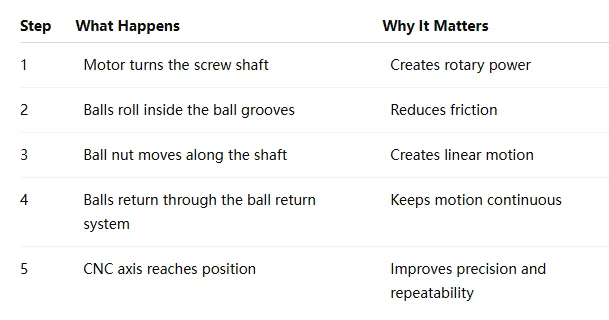
Đây là phần chính chức năng của trục vít bi. Chúng giúp chuyển động trở nên mượt mà hơn, trơn tru hơn và dễ điều khiển hơn
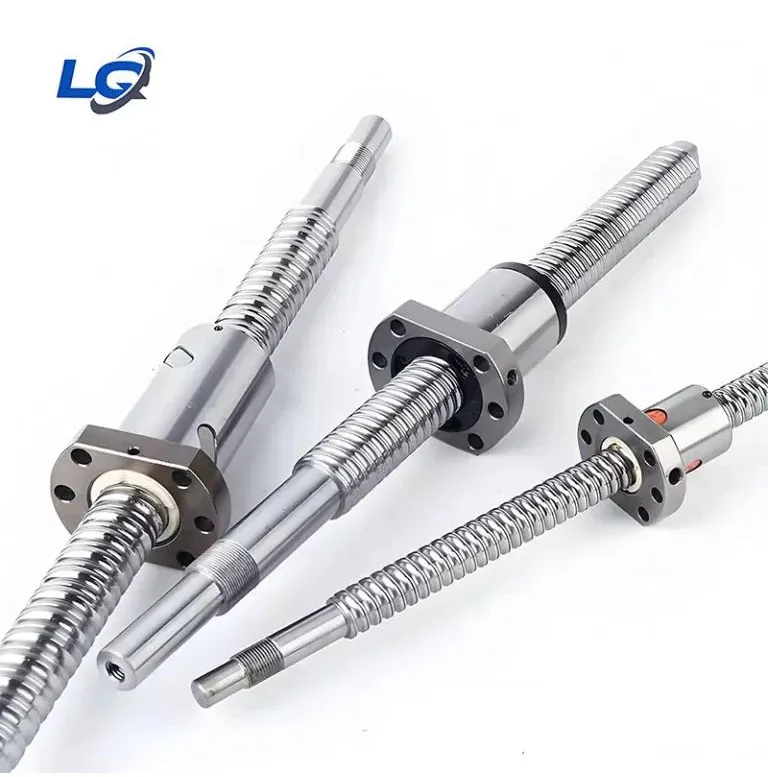
Các bộ phận của trục vít bi có vẻ đơn giản, nhưng mỗi bộ phận đều rất quan trọng. Các bộ phận chính bao gồm trục vít, đai ốc bi, bi, hệ thống hồi vị, giá đỡ đầu trục và cấu trúc bôi trơn. Một cụm trục vít hoàn chỉnh còn có thể bao gồm các đầu trục vít đã qua gia công, ổ lắp vòng bi, khớp nối và đai ốc khóa.
Cái vít bi Trục có các rãnh trên thanh vít. Đai ốc bi chứa các viên bi và di chuyển dọc theo trục. Thiết kế tuần hoàn bi cho phép các viên bi di chuyển qua vùng chịu tải và quay trở lại. Viên bi thép đóng vai trò như một bộ phận tiếp xúc lăn giữa thanh vít và đai ốc.
Các bộ phận chính bao gồm:
Khi lựa chọn vít bi, người mua cần kiểm tra đường kính trục vít, bước vít, chiều dài, đường kính bi, cấp độ chính xác, gia công đầu trục và phương pháp lắp đặt. Sự kết hợp hài hòa giữa trục vít và đai ốc có thể giúp giảm tiếng ồn và kéo dài tuổi thọ sử dụng.
A vít bi Việc so sánh giữa trục vít dẫn hướng và trục vít bi là điều phổ biến trong thiết kế máy CNC. Cả hai đều có thể tạo ra chuyển động tuyến tính, nhưng chúng sử dụng các phương thức tiếp xúc khác nhau. Trục vít dẫn hướng sử dụng tiếp xúc trượt. Trục vít bi sử dụng tiếp xúc lăn thông qua các bi.
Do tiếp xúc lăn, vít bi thường có hiệu suất cao hơn và sinh ít nhiệt hơn. Thomson lưu ý rằng vít dẫn thường phù hợp hơn cho các ứng dụng truyền động đơn giản, nơi tốc độ, độ chính xác, độ chính xác cao và độ cứng không phải là yếu tố then chốt. GlobalSpec cũng giải thích rằng vít bi chuyển đổi chuyển động quay thành chuyển động tuyến tính thông qua các quả bi di chuyển giữa trục vít và đai ốc trong một rãnh tuần hoàn, trong khi vít ACME và các loại vít dẫn hướng khác sử dụng ma sát trượt trực tiếp.
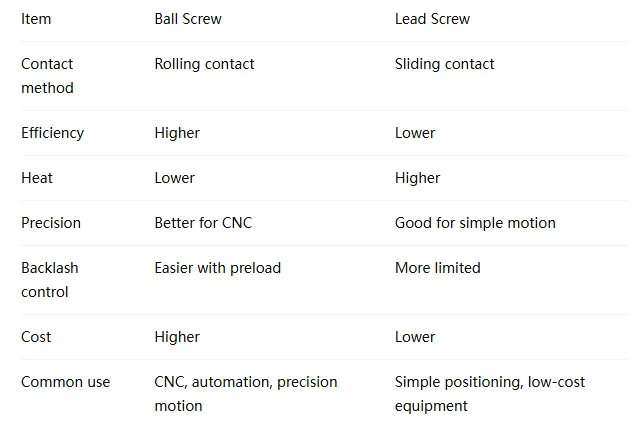
Vít dẫn vẫn có thể hữu ích. Đối với các máy móc hoạt động ở tốc độ thấp, tải trọng nhỏ và có cấu tạo đơn giản, loại vít này có thể là đủ. Tuy nhiên, đối với máy phay CNC, máy laser, thiết bị gia công và dây chuyền tự động hóa, vít bi thường là lựa chọn tốt hơn khi người mua cần độ chính xác ổn định và chuyển động lặp lại chính xác.
Ưu điểm của vít bi xuất phát từ cấu trúc lăn của chúng. Do các hạt bi lăn giữa đai ốc và trục vít, ma sát thấp hơn nhiều so với vít trượt thông thường. Điều này đồng nghĩa với hiệu suất cao hơn, chuyển động êm ái hơn, sinh nhiệt ít hơn và tuổi thọ cao hơn khi được bôi trơn đúng cách.
Vít bi mang lại những lợi ích đáng kể cho máy CNC. Chúng hỗ trợ chuyển động tốc độ cao, khả năng chịu tải lớn, định vị chính xác và chuyển động tuyến tính lặp lại chính xác. Vít bi là giải pháp thiết thực để cải thiện độ nhạy và hiệu suất của trục máy mà không cần thay đổi toàn bộ thiết kế máy.
Các ưu điểm chính của vít bi bao gồm:
Hiệu suất cao của vít bi khiến chúng trở nên hữu ích trong các thiết bị hoạt động nhiều giờ mỗi ngày. Trong sản xuất, mọi cải tiến dù nhỏ cũng đều có ý nghĩa quan trọng. Chuyển động êm ái hơn có thể giảm bớt áp lực lên máy móc và nâng cao chất lượng sản phẩm cuối cùng.
Ứng dụng của trục vít bi rất phổ biến trong các máy móc cần thực hiện chuyển động thẳng có kiểm soát. Trong các hệ thống CNC, trục vít bi được sử dụng để di chuyển bàn máy, dầm cầu, trục chính, đầu cắt, bộ kẹp và mô-đun nâng. Chúng cũng được ứng dụng trong thiết bị tự động hóa, máy móc y tế, thiết bị kiểm tra, hệ thống in ấn và máy đóng gói.
Đối với khách hàng của LONGQIAO / LQ, các ứng dụng phổ biến nhất bao gồm máy phay CNC chế biến gỗ, máy cắt và khắc laser, máy cắt plasma, dây chuyền sản xuất tự động, máy CNC để bàn, máy in 3D và trung tâm gia công CNC. Trang web của LONGQIAO giới thiệu vít bi là một trong những bộ phận của máy CNC giúp giảm ma sát so với vít dẫn truyền truyền thống, đồng thời hỗ trợ độ chính xác định vị, hiệu suất và hoạt động ổn định lâu dài.
Các ứng dụng điển hình bao gồm:
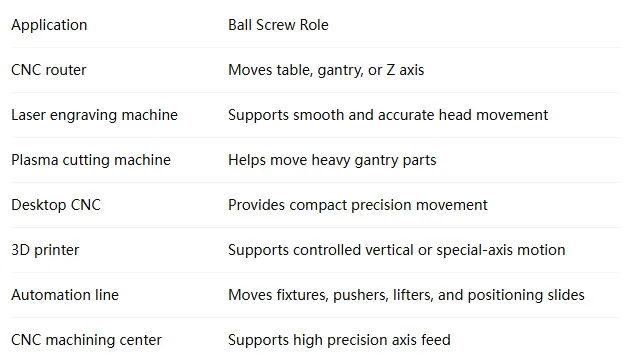
Đối với các nhà sản xuất máy móc, trục vít bi phù hợp phải tương ứng với mức độ hoạt động của máy. Một thiết bị để bàn nhỏ có thể cần trục vít bi cỡ nhỏ. Một máy phay CNC chế biến gỗ có thể cần trục vít bi tiêu chuẩn có khả năng chống bụi tốt. Một trung tâm gia công có thể cần trục vít bi có độ chính xác cao hoặc trục vít bi được mài tinh.
Vít bi Các cụm lắp ráp bao gồm nhiều bộ phận. Một cụm lắp ráp hoàn chỉnh có thể bao gồm trục vít bi, đai ốc bi, ổ trục đỡ, bộ gia công đầu trục, bộ nối và các bộ phận lắp đặt. Thomson mô tả các cụm vít bi bao gồm một trục vít bi, đai ốc bi có ổ bi tuần hoàn và các bộ đỡ đầu trục để lắp đặt.
Một bộ vít bi chất lượng tốt giúp trục máy duy trì độ thẳng, ổn định và vận hành êm ái. Nếu khung đỡ yếu, trục có thể bị rung. Nếu việc căn chỉnh không đúng, đai ốc bi có thể bị mòn nhanh hơn. Nếu thiếu chất bôi trơn, hệ thống vít bi có thể phát ra tiếng ồn hoặc quá nóng. Không nên chọn riêng lẻ một hệ thống vít bi hoàn chỉnh. Hệ thống này phải phù hợp với thanh dẫn hướng tuyến tính, động cơ, bộ điều khiển, khớp nối và khung máy.
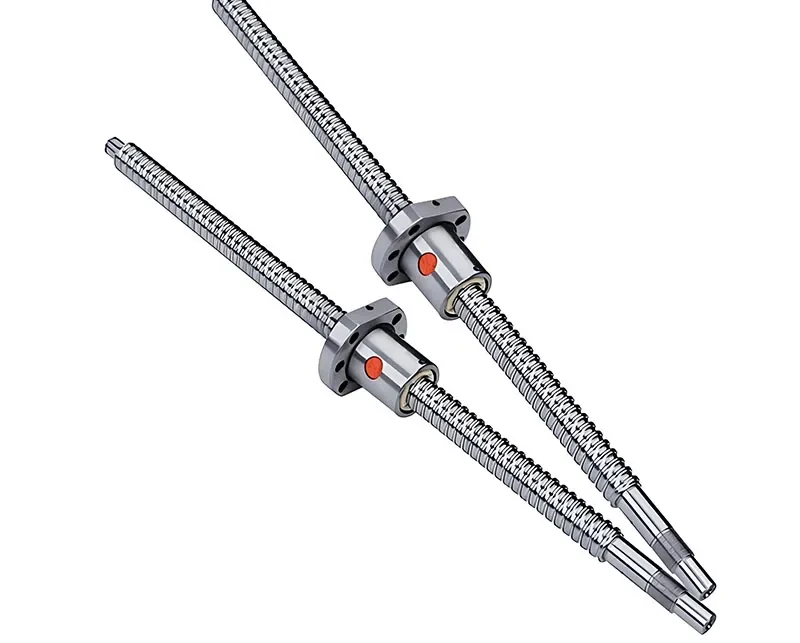
Vít bi lăn được sản xuất bằng quy trình cán. Chúng được ứng dụng rộng rãi trong các máy phay CNC, máy laser, tự động hóa nói chung và nhiều hệ thống truyền động có hiệu quả chi phí cao. Chúng mang lại chất lượng ổn định và giá trị cao cho nhiều loại máy móc.
Vít bi mài được chế tạo thông qua quy trình mài. Chúng thường mang lại độ chính xác bước vít cao hơn và chuyển động êm ái hơn. Các loại vít này thường được sử dụng trong các thiết bị có độ chính xác cao, máy thử nghiệm, trung tâm gia công và các hệ thống định vị chính xác.
Độ chính xác vít bi được lựa chọn khi ứng dụng đòi hỏi độ chính xác cao hơn và độ lặp lại tốt hơn. Trong một số trường hợp, vít bi cán chính xác có thể cân bằng giữa chi phí và hiệu suất. Trong những trường hợp khác, vít bi mài lại là lựa chọn tốt hơn.
Cấu trúc bi được nén sẵn có thể giúp giảm khe hở giữa các bi và rãnh. Điều này giúp cải thiện độ lặp lại, nhưng cũng đòi hỏi phải bôi trơn và lắp đặt đúng cách. Đối với trục vít bi tốc độ cao, người mua cũng nên xem xét chiều dài trục, tốc độ giới hạn, phương pháp đỡ và nhiệt độ.
Việc lựa chọn trục vít bi cần bắt đầu từ chính máy móc, chứ không phải từ danh mục sản phẩm. Hãy xác định xem trục đó phải thực hiện chức năng gì. Nó có nhiệm vụ di chuyển một đầu laser nhẹ không? Một dầm gantry nặng? Một trục Z dọc? Hay trục chính của máy phay? Câu trả lời sẽ quyết định mẫu trục vít bi phù hợp.
Các yếu tố chính cần xem xét bao gồm đường kính trục vít, bước vít, chiều dài di chuyển, tải trọng, tốc độ, cấp độ chính xác, đường kính bi, không gian lắp đặt và gia công đầu trục. Đường kính trục vít lớn hơn có thể giúp tăng độ cứng vững. Bước vít lớn hơn có thể giúp tăng tốc độ. Bước vít nhỏ hơn có thể giúp cải thiện lực đẩy và khả năng điều khiển.
Danh sách kiểm tra lựa chọn:
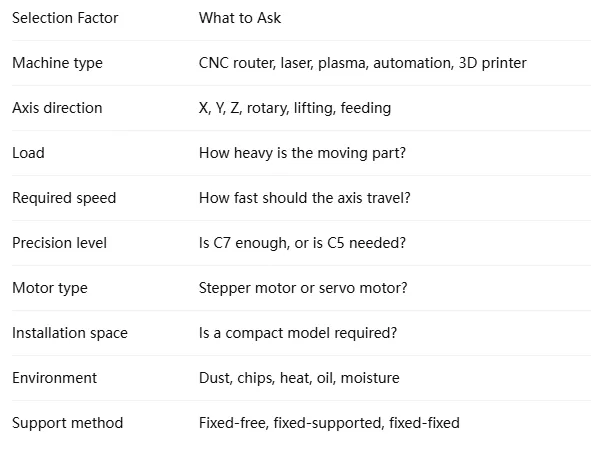
Khi nào sử dụng trục vít bi, người mua cũng nên kiểm tra toàn bộ hệ thống truyền động. Một sản phẩm chất lượng cao vít bi sẽ không thể hoạt động hiệu quả nếu thanh dẫn tuyến tính yếu, bộ nối bị lỏng hoặc động cơ không phù hợp.
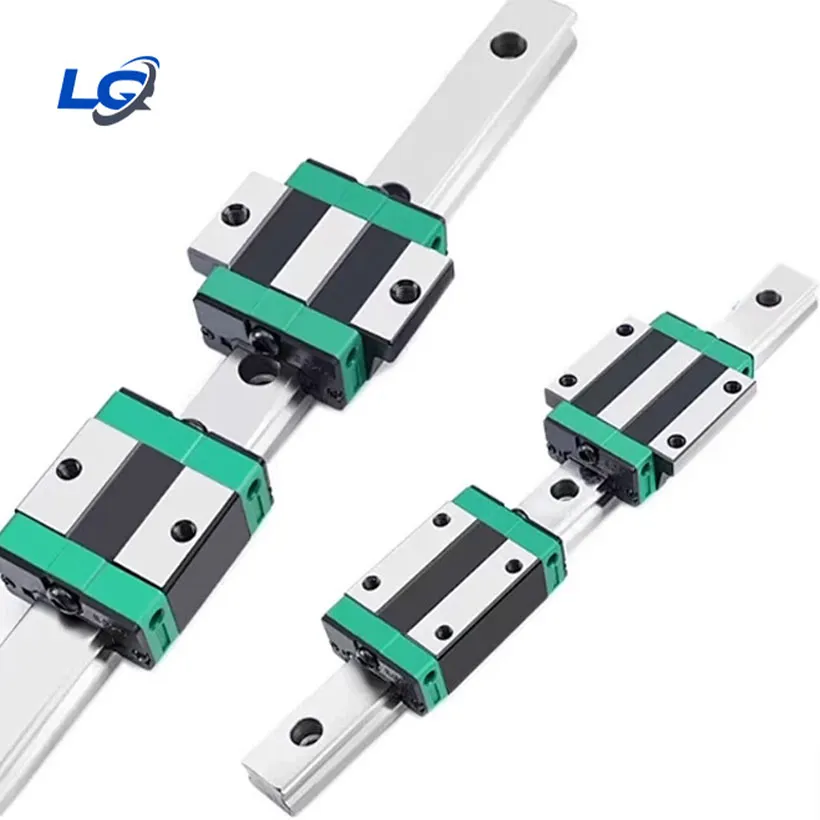
Để tìm nguồn cung ứng một cách thiết thực, LONGQIAO có thể hỗ trợ kết nối Bộ vít bi CNC dành cho các nhà sản xuất máy móc với ray dẫn hướng tuyến tính để đảm bảo chuyển động ổn định của máy CNC, Các giải pháp về động cơ servo và bộ điều khiển, và hệ thống điều khiển động cơ bước.
LONGQIAO / LQ là nhà cung cấp trọn gói các linh kiện máy CNC có trụ sở tại Trung Quốc, phục vụ khách hàng trên toàn cầu. Công ty cung cấp các sản phẩm như thanh dẫn tuyến tính, trục vít bi, hệ thống động cơ bước và động cơ servo, động cơ trục chính, hộp số hành tinh, và hệ thống thanh răng và bánh răng. Điều này giúp việc tìm nguồn cung ứng trở nên dễ dàng hơn cho các nhà sản xuất thiết bị gốc (OEM), nhà phân phối, công ty thương mại, nhà tích hợp tự động hóa và khách hàng sửa chữa máy móc.
A vít bi Sản phẩm này không thể hoạt động độc lập. Nó phải tương thích với động cơ, bộ điều khiển, thanh dẫn tuyến tính, ổ trục đỡ, khớp nối và kết cấu máy. Mô hình cung ứng trọn gói của LONGQIAO giúp người mua tiết kiệm thời gian trao đổi, tránh tình trạng các bộ phận không tương thích và nâng cao hiệu quả cung ứng phụ tùng thay thế.
Các liên kết nội bộ hữu ích của LONGQIAO:
Đối với khách hàng OEM, giá trị chính là tính tương thích. Đối với các nhà phân phối, đó là nguồn cung ổn định và việc mua hàng định kỳ. Đối với các nhà máy sản xuất cuối cùng, đó là sự hỗ trợ nhanh chóng về phụ tùng thay thế. Đối với các nhà tích hợp hệ thống tự động hóa, đó là việc tìm nguồn cung ứng cho dự án trở nên dễ dàng hơn.
Chức năng chính của trục vít bi là chuyển đổi chuyển động quay thành chuyển động tịnh tiến. Nói cụ thể hơn, nó có thể chuyển đổi chuyển động quay thành chuyển động tịnh tiến thông qua trục vít, đai ốc bi và các viên bi lăn.
Quá trình hoạt động của trục vít bi bắt đầu khi động cơ làm quay trục vít. Các viên bi lăn bên trong các rãnh của trục vít và đai ốc bi. Sau đó, đai ốc bi di chuyển dọc theo trục, tạo ra chuyển động tuyến tính mượt mà.
Vít bi sử dụng các bi lăn. Vít dẫn hướng sử dụng tiếp xúc trượt. So với các loại vít dẫn hướng truyền thống, vít bi thường mang lại hiệu suất cao hơn, độ chính xác tốt hơn và chuyển động mượt mà hơn.
Đúng vậy. Trục vít bi cần được bôi trơn đúng cách, lắp đặt trong môi trường sạch sẽ, căn chỉnh chính xác và được bảo vệ khỏi bụi hoặc mạt kim loại. Việc bảo dưỡng tốt sẽ giúp trục vít bi hoạt động trơn tru trong thời gian dài hơn.
Đúng vậy, vít bi có thể hoạt động ở tốc độ cao nếu mẫu vít, phương pháp đỡ, đường kính vít, bước ren và cách lắp đặt đều phù hợp. Các vít dài cần được chú ý đặc biệt vì chúng có thể bị rung khi hoạt động ở tốc độ cao.
Vít bi hệ mét sử dụng các kích thước theo hệ mét, chẳng hạn như milimét. Vít bi hệ inch sử dụng các kích thước theo hệ inch. Hầu hết các bộ phận máy CNC dành cho thị trường toàn cầu đều sử dụng các mẫu hệ mét, nhưng một số máy có thể cần các kích thước hệ inch.