
A riduttore epicicloidale Moltiplica la coppia e riduce la velocità di uscita grazie al funzionamento di un ingranaggio solare, diversi ingranaggi planetari orbitanti e una corona dentata fissa all’interno di un unico alloggiamento compatto. I costruttori di macchine ne inseriscono uno tra il motore e l’asse azionato ogni volta che il motore da solo non è in grado di fornire una coppia sufficiente alla velocità e con la risoluzione effettivamente richieste dall’asse.
All’interno dell’alloggiamento, un piccolo ingranaggio solare azionato dall’albero motore si innesta con due o più ingranaggi planetari montati su un portasatelliti. Questi ingranaggi planetari ruotano all’interno di una corona dentata fissa, e il portasatelliti — non la corona — funge da albero di uscita. Poiché il carico viene ripartito simultaneamente su più ingranaggi planetari anziché essere sostenuto da una sola coppia di ingranaggi, è possibile ottenere lo stesso rapporto di riduzione con un alloggiamento notevolmente più piccolo rispetto a quello necessario per un riduttore a ingranaggi cilindrici monostadio. Questo è il motivo principale per cui i riduttori planetari vengono impiegati sugli assi delle macchine in cui lo spazio sul pannello è limitato, ma i requisiti di coppia non lo sono.
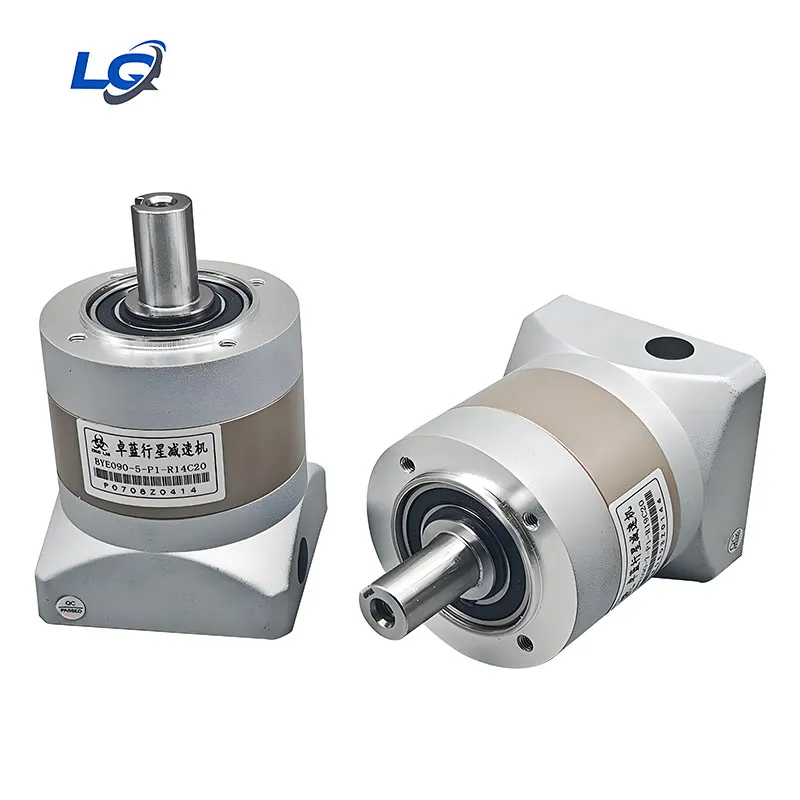
A servomotore o motore passo-passo produce una curva coppia-velocità fissa. Due situazioni spingono un progettista a optare per l'aggiunta di un riduttore piuttosto che a scegliere un motore più potente:
Il compromesso è il gioco. Ogni ingranaggio introduce un certo gioco rotazionale, e i riduttori planetari non fanno eccezione: quelli di precisione lo controllano rigorosamente, mentre quelli standard in misura minore. Sugli assi in cui la precisione di posizionamento si ripete in una sola direzione (la maggior parte dei movimenti punto a punto), il gioco ha un’importanza minore. Sugli assi che invertono la direzione sotto carico — movimenti di sondaggio, passate di taglio bidirezionali — il gioco si manifesta direttamente come perdita di movimento ad ogni inversione.
Il rapporto non viene scelto in modo isolato, ma deriva da ciò che si trova a valle del riduttore. Lo stesso motore, abbinato alla stessa famiglia di riduttori, offre una scelta pratica diversa del rapporto a seconda che azioni un sistema a pignone e cremagliera, una vite a ricircolo di sfere o una cinghia.
Assi a pignone e cremagliera
Il sistema a pignone e cremagliera trasforma il movimento rotatorio in movimento lineare direttamente in corrispondenza del diametro primitivo del pignone; pertanto, il rapporto di riduzione del riduttore determina sia la velocità lineare sia la risoluzione per passo del motore o per conteggio dell’encoder. Un rapporto più basso (più vicino all’azionamento diretto) offre una maggiore velocità di traslazione ma una risoluzione più grossolana per ogni impulso in ingresso; un rapporto più alto offre una risoluzione più fine ma limita la velocità massima. Gli assi a corsa lunga — fresatrici a portale, taglio di grande formato — spesso prediligono un rapporto orientato alla velocità, poiché la risoluzione meccanica della cremagliera rappresenta comunque il vincolo più restrittivo.
Assi a vite a sfere
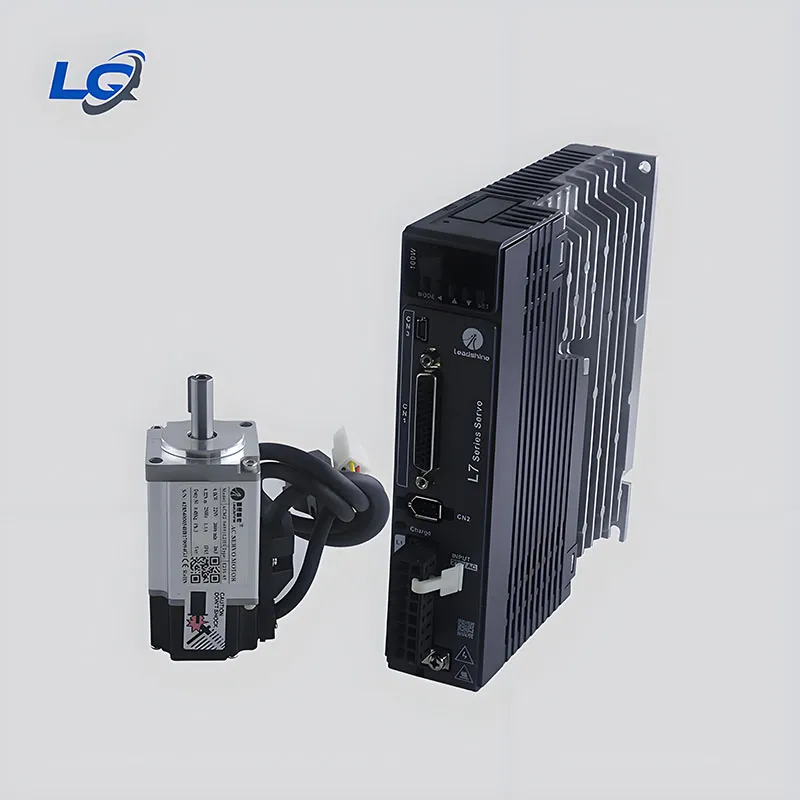
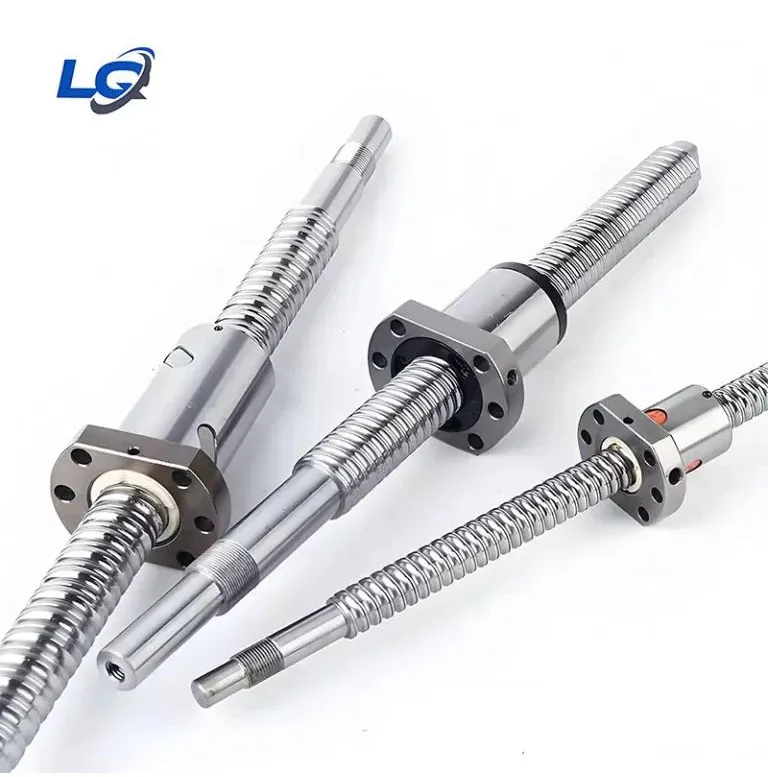
A vite a sfera riduce già il movimento rotatorio in movimento lineare grazie al proprio passo, quindi il riduttore e il passo della vite operano in sinergia, non separatamente. Scegliete innanzitutto il rapporto di riduzione per portare il motore in un intervallo efficiente di coppia-velocità per il carico assiale previsto, quindi lasciate che sia il passo della vite — e non il riduttore — a determinare la risoluzione lineare finale. Combinare un rapporto di riduzione elevato con un passo della vite fine di solito garantisce una risoluzione eccessiva a scapito di una velocità massima di cui l’asse non ha bisogno.
Assi con trasmissione a cinghia
Gli assi azionati a cinghia richiedono in genere una moltiplicazione della coppia inferiore rispetto agli assi a vite o a cremagliera che trasportano lo stesso carico, poiché il raggio della puleggia fornisce già un certo vantaggio meccanico. In questo caso, il compito principale del riduttore è solitamente l’adattamento dell’inerzia per ottimizzare la stabilità piuttosto che la coppia pura: un rapporto moderato che porta l’inerzia riflessa in un intervallo gestibile per il motore e la trasmissione, senza ridurre eccessivamente la velocità per cui l’asse a cinghia è stato progettato.
Errore comune: scegliere il rapporto basandosi esclusivamente sul grafico della coppia
Un errore di selezione molto comune consiste nel ricavare la coppia richiesta da un calcolo del carico, abbinarla alla coppia nominale in uscita di un riduttore e fermarsi lì — senza verificare a quale rapporto corrisponda tale valore di coppia e se tale rapporto garantisca comunque la velocità e la risoluzione necessarie all’asse. Due riduttori possono raggiungere lo stesso valore di coppia con rapporti molto diversi, e solo uno dei due consente all’asse di funzionare alla velocità prevista. È necessario considerare insieme il rapporto di riduzione e la coppia, non la coppia in primo luogo e il rapporto come elemento secondario.
| Dimensione | Riduttore planetario | Riduttore a vite senza fine | Trasmissione diretta (senza riduttore) |
| Densità di coppia in funzione delle dimensioni | Elevata — struttura compatta rispetto alla coppia erogata | Moderato — più ingombrante a parità di coppia | N/A — solo coppia del motore |
| Reazione | È controllato con precisione da unità di livello da basso a moderato | Molto basso, autobloccante sotto carico | Nessuno (nessun ingranaggio innestato) |
| Efficienza | Ad alta potenza, in genere su più stadi, ma comunque efficiente | Più in basso — il contatto scorrevole genera una maggiore dispersione di calore | Massimo (senza perdite meccaniche) |
| La soluzione più adatta | Assi che richiedono moltiplicazione della coppia e adattamento dell'inerzia | Assi che richiedono l'autobloccaggio (appigli verticali senza freno) | Assi a bassa inerzia e a risposta diretta con coppia motrice adeguata |
| Manutenzione | A tenuta stagna, richiedono poca manutenzione nella maggior parte dei modelli | Maggiore usura della vite senza fine nel corso del tempo | Nessuna, ma il motore deve essere sovradimensionato per compensare |
Rispetto alla scelta di un motore con telaio più grande per evitare del tutto l’uso del riduttore, uno stadio planetario richiede solitamente meno spazio nel pannello e comporta un peso totale del sistema inferiore a parità di coppia in uscita: la scelta che il costruttore deve fare comporta un aumento del gioco, non una maggiore complessità, poiché un’unità planetaria sigillata richiede poca manutenzione ordinaria.
La letteratura specializzata sul controllo del movimento, presente in riviste come Machine Design, ha da tempo considerato l’adeguamento dell’inerzia, e non solo la coppia, come il motivo principale per cui i progettisti inseriscono uno stadio di riduzione tra il motore e il carico: vale la pena verificare direttamente questo aspetto se i calcoli del rapporto di inerzia sono una novità per il vostro team.
R: Dipende interamente dalla curva coppia-velocità del motore e dai requisiti di coppia e inerzia del carico: non esiste un rapporto standard unico. È meglio partire dalla coppia e dalla velocità di uscita richieste dall'asse, piuttosto che scegliere prima il rapporto.
A: No. Riduce il gioco rispetto ad altri tipi di ingranaggi, ma anche le unità planetarie di tipo standard presentano ancora un gioco misurabile; quelle di precisione lo riducono ulteriormente, ma non lo eliminano del tutto. Se l’asse inverte la direzione sotto carico, il gioco è un fattore da considerare nella scelta, non un problema risolto.
R: Il riduttore in sé può farlo, ma il rapporto che si sceglie di solito è diverso, poiché il passo della vite garantisce già una riduzione lineare che il sistema a pignone e cremagliera non offre. Il rapporto va dimensionato in base all’asse specifico, non alla famiglia di riduttori in generale.
A: Quando l’asse deve mantenere la posizione sotto carico senza controrotazione — ad esempio, un asse verticale privo di freno separato — il comportamento autobloccante dell’ingranaggio a vite senza fine offre una funzionalità che un riduttore planetario non è in grado di garantire di per sé.
R: L'albero di uscita gira più lentamente rispetto al motore, ma la velocità dell'asse lineare dipende da ciò che si trova a valle — passo della cremagliera, passo della vite o raggio della puleggia — quindi un rapporto più elevato non comporta automaticamente una velocità inferiore dell'asse lineare se il meccanismo a valle è dimensionato di conseguenza.
A: Un rapporto più elevato riduce l'inerzia del carico che si riflette sul motore di un valore pari all'incirca al quadrato del rapporto stesso, il che in genere rende più stabile la regolazione del servomotore — questo è spesso il fattore decisivo anche quando la coppia da sola non richiederebbe l'uso di un riduttore.