
Choosing between a closed loop stepper and a servo motor can directly affect machine accuracy, speed, stability, and production efficiency. Selecting the wrong motor system may lead to lost steps, poor response, unnecessary costs, or unstable operation.
A closed-loop stepper motor and a servo motor are both feedback-based motion solutions, but they work differently. A servo motor provides higher dynamic performance, speed range, and torque control, while a closed-loop stepper offers improved accuracy over traditional stepper systems with lower cost. The best choice depends on your CNC machine, automation requirements, load, speed, and precision needs.
When engineers compare closed loop stepper vs servo, they are usually comparing two different approaches to motion control.
A traditional stepper motor moves by receiving electrical pulses from a driver. Each pulse represents a specific movement angle. Because the system usually does not check the actual position, it is called an open-loop system.
A servo motor works differently. A servo motor is a closed-loop electric motor system that uses feedback from an encoder to continuously monitor position, speed, and torque.
The basic difference:
| Caratteristica | Closed Loop Stepper | Servo Motor |
| Feedback | Segnalazione dell'encoder | High-resolution encoder feedback |
| Control method | Closed-loop step control | Full servo control |
| Costo | Inferiore | Più alto |
| Speed range | Medio | Wide |
| Torque at high speed | Moderato | Strong |
| Position correction | Yes | Yes |
| Dynamic response | Good | Excellent |
| System complexity | Simple | Advanced |
| Typical use | CNC routers, 3D printers, light automation | CNC machining, robotics, industrial automation |
For many machine builders, the question is not simply stepper vs servo. The real question is:
Which motor system provides the best balance between performance, reliability, and cost for my machine?
At LONGQIAO / LQ, we help global CNC manufacturers and automation companies select suitable motion components, including stepper motors, servo motors, servo drives, viti a sfera, guide lineari, and other transmission components. A correct motor choice should always match the complete mechanical system.
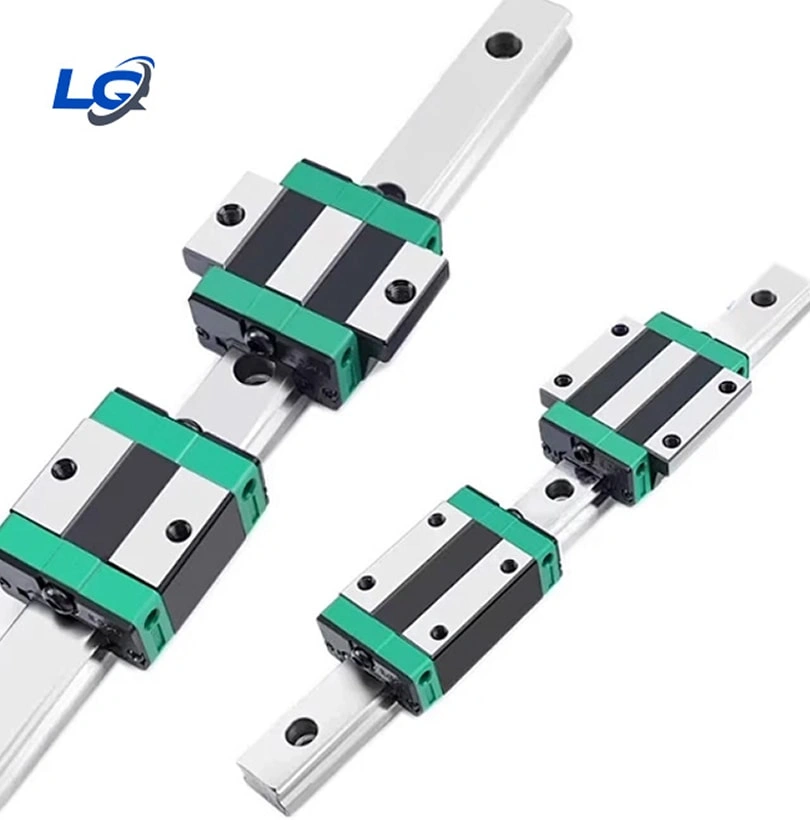
A closed-loop stepper motor combines traditional stepper technology with encoder feedback.
Traditional open-loop stepper motors operate by assuming the motor follows every command pulse. If the load becomes too heavy, acceleration is too fast, or resistance increases, the motor may lose synchronization.
A closed-loop stepper solves this problem by adding feedback.
The system monitors:
If the motor position changes from the commanded position, the controller can correct the error.
This makes closed loop steppers more reliable than traditional stepper systems.
A typical closed-loop stepper system includes:
The encoder allows the control system to detect whether the motor has completed the commanded movement.
A servo motor is a high-performance motion component designed for accurate speed, torque, and position control.
Unlike a standard stepper motor system, a servo system constantly adjusts motor operation through a feedback loop.
The control process:
Controller → Servo drive → Servo motor → Encoder feedback → Correction
The servo drive plays a key role because it controls:
Modern servo motors are widely used in:
An AC servo motor is one of the most common industrial solutions because it offers excellent efficiency, strong torque output, and reliable operation.
LONGQIAO supplies servo systems and motion components for CNC and automation applications where accurate positioning and stable operation are important.

The comparison of stepper vs servo motors depends on several performance factors.
The biggest difference between stepper and servo motors is feedback.
Stepper Motor
Traditional stepper motors often work in an open-loop system.
Advantages:
Disadvantages:
Servo motors provide continuous feedback.
Advantages:
The feedback system allows servo motors to maintain better performance when machine conditions change.
One major difference between a stepper motor vs servo is high-speed performance.
A stepper motor provides strong holding torque at low speed. However, torque decreases as speed increases.
A servo motor can maintain stronger torque across a wider speed range.
This makes servo systems better suited for:
A closed-loop stepper can improve stepper performance, but it usually does not match the full dynamic capability of an advanced servo system.
Accuracy is one of the most important factors when making a stepper vs servo decision.
Both systems can achieve good positioning, but they achieve it differently.
A closed-loop stepper uses encoder feedback mainly to prevent missed steps.
A servo motor uses feedback for complete motion correction.
Servo systems continuously adjust:
For applications requiring:
a servo motor is usually the preferred solution.
However, for many CNC routers, engraving machines, and smaller automation systems, a closed-loop stepper motor can provide excellent performance at a more competitive cost.
The correct choice depends on the application.

Cost is often the reason buyers compare closed loop stepper vs servo.
A basic stepper system usually costs less because:
A servo system costs more because it includes:
However, the purchase price is only part of the total cost.
Consider:
| Cost Factor | Closed Loop Stepper | Servo Motor |
| Initial purchase | Inferiore | Più alto |
| Installation | Easier | More complex |
| Maintenance | Basso | Basso |
| Performance capability | Medio | Alto |
| High-speed productivity | Limited | Excellent |
| Long-term upgrade potential | Moderato | Alto |
For industrial equipment manufacturers, the more important question is:
Will the motor help the machine achieve the required production efficiency?
A higher-performance servo motor may create better value if it improves cycle time, accuracy, and customer satisfaction.
When choosing the right motor, engineers should not only compare the price of a stepper motor vs servo motor. The motor must match the complete machine structure, including mechanical load, transmission components, working speed, accuracy requirements, and control system.
For CNC machines, the motor works together with components such as:
A powerful motor cannot compensate for a poor mechanical design. Likewise, a high-precision machine cannot perform well with an unsuitable motor.
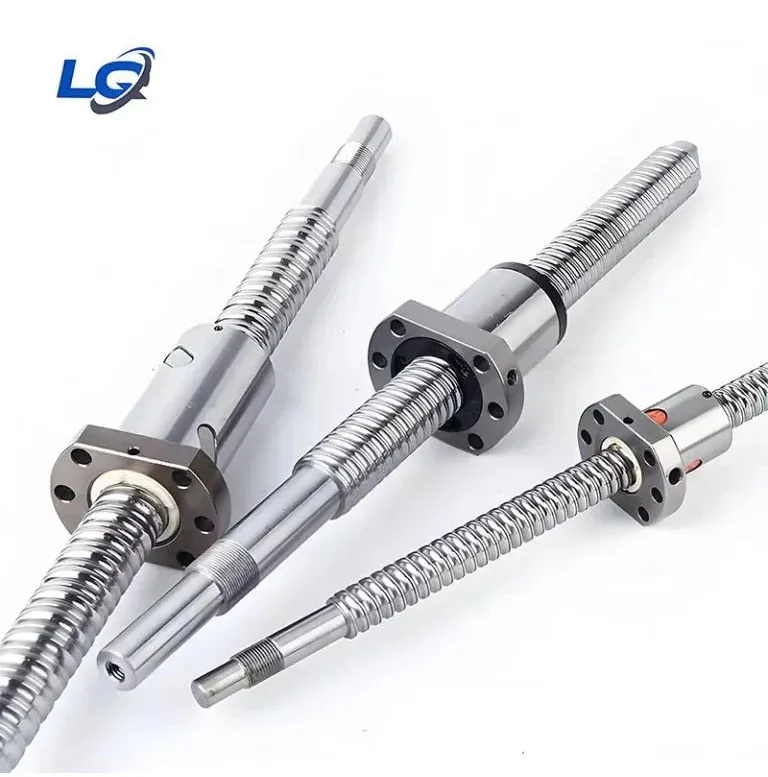
At LONGQIAO, we support CNC machine builders and automation equipment manufacturers by providing complete motion solutions. Our product range includes stepper systems, servo systems, linear guides, ball screws, planetary gearboxes, and rack and pinion systems, helping customers simplify sourcing and improve machine reliability.
Before selecting a motor, consider the following factors:
| Selection Factor | Why It Matters |
| Machine load | Determines required torque |
| Velocità di funzionamento | Affects motor response |
| Accuracy requirement | Determines feedback requirement |
| Working environment | Influences motor protection level |
| Transmission system | Impacts efficiency and inertia |
| Controller compatibility | Ensures stable operation |
The answer depends on the CNC machine type and production requirements.
A stepper motor is commonly used in:
Stepper systems are popular because they offer:
A servo motor is preferred for more demanding CNC applications:
Servo motors provide:
The decision between stepper vs servo motors depends on whether the machine needs maximum performance or a cost-effective motion solution.
For example:
A small CNC router cutting wood and plastic may work perfectly with a closed-loop stepper system.
A CNC machining center cutting steel at high speed usually requires a servo system.
A hybrid servo motor combines advantages of stepper technology and servo control.
It uses a stepper motor structure with encoder feedback, creating a closed-loop control system.
Compared with traditional open-loop stepper systems, hybrid servo solutions provide:
The hybrid servo motor is becoming popular among machine manufacturers because it provides better performance without the full cost of a traditional servo system.
Le applicazioni tipiche includono:
| Applicazione | Recommended Solution |
| CNC router | Closed-loop stepper / Hybrid servo |
| Laser cutting machine | Servo motor |
| 3D printer | Stepper motor or closed-loop stepper |
| Automatic assembly machine | Servo motor |
| Attrezzature per l'imballaggio | Servo motor |
| Desktop CNC | Stepper system |
For many OEM customers, hybrid servo technology offers a practical middle solution between a standard stepper motor and a complete servo system.
The closed loop stepper vs servo motor comparison is mainly about performance, control, and cost balance.
| Caratteristica | Closed Loop Stepper Motor | Servo Motor |
| Feedback | Segnalazione dell'encoder | High-resolution feedback |
| Control accuracy | Alto | Molto alto |
| Torque control | Good | Excellent |
| Speed capability | Medium-high | Alto |
| Costo | Inferiore | Più alto |
| System complexity | Simple | Advanced |
| Maintenance | Easy | Professional support |
A closed-loop stepper motor can detect position errors and correct movement. This makes it much better than traditional open-loop stepper systems.
However, a servo motor has a more advanced control system. It can continuously adjust speed, torque, and position.
For applications where:
a servo motor is usually the better option.
The main differences between stepper and servo motors can be summarized in five areas.
Stepper motors move according to pulse signals.
Servo motors use a feedback loop.
The servo system constantly checks actual movement and compares it with the command position.
Stepper motors provide excellent low-speed torque.
Servo motors maintain better torque performance at higher speeds.
Both systems can provide accurate movement.
However:
Closed-loop stepper improves stepper accuracy.
Servo provides continuous correction.
Servo motors generally provide a wider speed range.
This makes them suitable for industrial automation and high-performance CNC equipment.
Stepper solutions are more economical.
Servo solutions provide higher performance.
The correct choice depends on the machine goal.
A complete servo system includes:
The servo drive controls the motor by adjusting current and voltage according to feedback information.
This allows the system to achieve:
In modern CNC and automation equipment, motion control is becoming more important because customers expect:
A properly matched servo motor and drive system can significantly improve machine performance.
LONGQIAO helps customers select compatible motor systems according to their mechanical design, including matching motors with:
Different industries require different motor solutions.
A CNC router usually requires:
Laser machines often require:
Recommended:
Servo motor system
3D printers commonly use:
because they need:
Automation systems often require:
Servo motors are usually preferred.
The final stepper vs servo decision should consider your machine requirements.
Choose a stepper solution when:
Choose a servo solution when:
A simple selection guide:
| Requirement | Recommended Motor |
| Low-cost CNC machine | Stepper |
| CNC router | Closed-loop stepper / Hybrid servo |
| High-speed CNC machining | Servo motor |
| Industrial automation | Servo motor |
| Heavy-duty motion control | Servo system |
The best motor is not always the most expensive one.
It is the motor that matches your application.
LONGQIAO / LQ is a China-based supplier specializing in CNC machine parts and motion control components.
We support global customers including:
Our advantages include:
Factory Direct Supply
We provide direct sourcing for:
Custom Matching Support
Different machines require different configurations.
Our engineering team helps customers select:
OEM and Private Label Support
For distributors and machine manufacturers, we provide:
One-Stop CNC Motion Components
Instead of sourcing separate components from different suppliers, customers can integrate multiple CNC parts through one reliable partner.
This improves:
A closed-loop stepper motor is more affordable and provides better accuracy than a traditional stepper motor. However, a servo motor offers higher speed, torque control, and dynamic performance for demanding applications.
Yes. Many machines can upgrade from a stepper motor to a servo motor, but you need to check the controller, wiring, mechanical load, and transmission system compatibility.
For small and medium CNC routers, closed-loop stepper systems are often sufficient. For high-speed industrial CNC routers, servo motors provide better performance.
A servo drive controls a servo motor using feedback signals from an encoder. A stepper driver controls stepper movement mainly through pulse signals.
Yes. LONGQIAO provides customized CNC motion solutions, including stepper systems, servo systems, transmission components, and integrated sourcing support for global OEM customers.