Introduzione
Se operi nel settore della lavorazione CNC, c'è una domanda che ricorre continuamente:
“Posso usare lo stesso mandrino CNC sia per la lavorazione del legno che per l’intaglio della pietra?”
La risposta breve è no – e provarci potrebbe costarti migliaia in attrezzature danneggiate, materiali rovinati e tempo perso.
Ma la risposta più approfondita è più interessante. Capire perché queste due applicazioni richiedono mandrini completamente diversi ti aiuterà a prendere la giusta decisione di acquisto, a evitare errori costosi e a ottenere i migliori risultati possibili dalla tua macchina CNC.
In questa guida ti spiegherò in dettaglio tutto ciò che devi sapere sulla scelta del mandrino CNC per la lavorazione del legno rispetto all'intaglio della pietra: dai requisiti di potenza e velocità ai metodi di raffreddamento, fino agli esempi pratici di applicazione.
Panoramica rapida: i montanti in legno e quelli in pietra a colpo d’occhio
Prima di addentrarci nei dettagli, ecco un confronto di massima
| Caratteristica |
Mandrino per la lavorazione del legno |
Fuso per intaglio su pietra |
| Intervallo di potenza |
da 1,5 kW a 5,5 kW |
da 5,5 kW a 15 kW (o superiore) |
| Intervallo di velocità |
18.000 – 24.000 giri/min |
8.000 – 18.000 giri/min |
| Metodo di raffreddamento |
Raffreddato ad aria o ad acqua |
Raffreddamento ad acqua (obbligatorio) |
| Focus sulla coppia |
Alta velocità, coppia moderata |
Bassa velocità, coppia elevata |
| Tipo di strumento |
Punte in carburo (bordi affilati) |
Utensili diamantati (resistenti all'abrasione) |
| Telaio della macchina |
Alluminio/acciaio più leggero |
Ghisa pesante/acciaio |
| Obiettivo principale |
Tagli netti, alta velocità |
Potenza pura, stabilità |
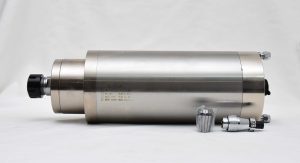
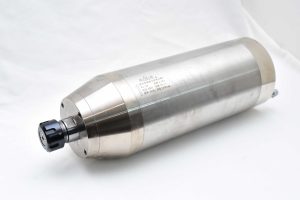
Se avete bisogno di altri tipi di motori per mandrini CNC, non esitate a contattarci per conoscere le ultime novità sui nostri prodotti. catalogo
Parte 1: Mandrini CNC per la lavorazione del legno – La velocità è fondamentale
Nella lavorazione del legno ciò che conta sono la velocità e la qualità della finitura. Il legno è relativamente morbido e fibroso, il che significa che è possibile tagliarlo rapidamente senza bisogno di una coppia eccessiva.
Consigli sull'alimentazione per il legno
Piccole officine / hobbisti: una potenza compresa tra 1,5 kW e 2,2 kW è sufficiente per il legno tenero, il compensato e l’MDF
Fabbriche di mobili professionali: da 3 kW a 4,5 kW per legni duri come la quercia e l’acero
Produzione industriale (centri di lavorazione CNC): fino a 9 kW per il taglio in serie
Perché un numero elevato di giri al minuto è importante per la lavorazione del legno
I mandrini in legno funzionano solitamente a una velocità compresa tra 18.000 e 24.000 giri al minuto. Ecco perché:
Tagli più puliti: l'alta velocità impedisce lo strappo e la formazione di schegge
| Tipo di raffreddamento |
Pro |
Contro |
| Raffreddato ad aria |
Installazione più semplice, minore manutenzione, plug-and-play |
Controllo della temperatura più rumoroso e meno costante |
| Raffreddato ad acqua |
Più silenzioso, maggiore stabilità della temperatura durante le sessioni prolungate |
Richiede l'installazione della pompa e del sistema di raffreddamento; è più complesso |
|
|
|
Applicazioni comuni nella lavorazione del legno
-
Mobili in legno massello (sedie, tavoli, armadi)
-
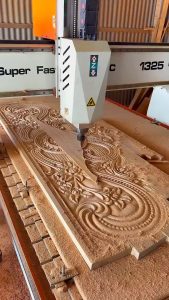
Intaglio di porte e modanature decorative
-
Insegne e targhe in legno
-
Strumenti musicali
-
Taglio del compensato per mobili in kit
-
Lavorazione di PVC, acrilico e MDF
Parte 2: Mandrini CNC per l’intaglio della pietra – La potenza è tutto
L'intaglio della pietra è un'arte una situazione completamente diversa. Il granito, il marmo e il quarzo non si “tagliano” – essi abrasare. In sostanza, si tratta di asportare materiale una particella alla volta. Ciò richiede una coppia elevata, una struttura robusta e un sistema di raffreddamento specializzato-2.
Requisiti di alimentazione per Stone
-
Requisiti minimi per i lavori in pietra: 5,5 kW (questo è il livello base)-9
-
Lavorazione professionale della pietra: 6 kW – 9 kW-2
-
Industriale su larga scala: da 11 kW a 15 kW o superiore-3
Perché tutta questa potenza? La pietra è dura e densa. Un mandrino a bassa potenza:
-
Surriscaldamento e spegnimento
-
Blocco durante tagli profondi
-
Consumo prematuro delle punte
-
Fornire risultati di scarsa qualità
Velocità: più bassa è, meglio è
A differenza della lavorazione del legno, i mandrini per la lavorazione della pietra funzionano a velocità molto inferiori, in genere da 8.000 a 18.000 giri al minuto.
L'aspetto fondamentale in questo caso è la coppia, non la velocità. L'obiettivo è che il mandrino penetri con forza nel materiale senza incepparsi. Immaginatelo come guidare un camion su una salita ripida: serve potenza ai bassi regimi, non la velocità massima.
Raffreddamento: il raffreddamento ad acqua è indispensabile
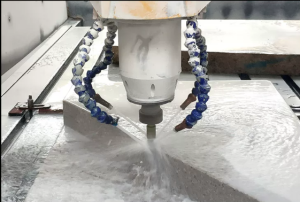
Questo è fondamentale: i mandrini per la lavorazione della pietra DEVONO essere raffreddati ad acqua.
Perché?
Gestione del calore – La rettifica su pietra genera un calore enorme che danneggerebbe un mandrino raffreddato ad aria
Abbattimento delle polveri – L’acqua cattura le polveri di silice nocive che altrimenti finirebbero per disperdersi nell’aria
Durata degli utensili – Gli utensili diamantati necessitano di raffreddamento ad acqua per evitare il degrado termico
💡 Consiglio da esperto: aggiungi all’acqua di raffreddamento additivi anticorrosivi come il glicole per prevenire la formazione di ruggine all’interno del mandrino.
Differenze costruttive
Le macchine per l'intaglio della pietra sono costruite in modo diverso:
Telaio più robusto: in ghisa o acciaio di grosso spessore per assorbire le vibrazioni
Guarnizioni migliorate: protezione aggiuntiva contro la polvere abrasiva di pietra
Cuscinetti rinforzati: cuscinetti per impieghi gravosi in grado di sopportare carichi elevati e costanti
Gestione delle risorse idriche: falde acquifere integrate o sistemi di raccolta
Applicazioni comuni della pietra
-
Piani di lavoro in granito e marmo
-
Lapidi e monumenti
-
Elementi architettonici in pietra (colonne, finiture)
-
Sculture in pietra e rilievi
-
Piastrelle in ceramica e porcellana
-
Incisione su vetro
Parte 3: Come scegliere – Un modello decisionale
Poniti queste domande
1. Quale materiale lavorerai nell'80% del tempo?
-
Prevalentemente in legno → Acquista un mandrino ottimizzato per il legno
-
Prevalentemente pietra → Acquista un mandrino ottimizzato per la pietra
-
Miscela 50/50 → Prendiamo in considerazione due macchine (sul serio)
2. Qual è il tuo budget?
3. Qual è il vostro volume di produzione?
4. Disponete di un sistema adeguato di gestione della polvere e dell’acqua?
Parte 4: Errori comuni da evitare
❌ Errore #1: Acquistare basandosi esclusivamente sul prezzo
Un mandrino economico vi costerà di più in termini di tempi di fermo, materiali rovinati e pezzi di ricambio. Investite nella qualità-2.
❌ Errore #2: Partire dal presupposto che “più potenza sia sempre meglio”
Nel caso del legno, una potenza eccessiva senza un adeguato controllo della velocità può bruciare il materiale. Scegli il mandrino più adatto alla tua applicazione.
❌ Errore #3: Trascurare la manutenzione
-
Alberi in legno: rimuovere regolarmente la polvere dalle alette di raffreddamento
-
Alberi in pietra: controllare la qualità dell'acqua, lavare il sistema di raffreddamento, ispezionare le guarnizioni
❌ Errore #4: Utilizzo di utensili non adeguati
Un mandrino potente è inutile se abbinato a punte di scarsa qualità. Adeguate la qualità degli utensili all’investimento effettuato per il mandrino.
Conclusione: scegliere lo strumento adatto al compito da svolgere
Ecco il punto fondamentale:
Per la lavorazione del legno: scegliete un mandrino ad alta velocità (18.000-24.000 giri/min) con una potenza compresa tra 1,5 kW e 5,5 kW. Per la maggior parte delle officine è sufficiente un sistema di raffreddamento ad aria.
Per l'intaglio della pietra: scegliete un mandrino raffreddato ad acqua ad alta coppia con una potenza di almeno 5,5 kW. Non scendete a compromessi sulla qualità costruttiva.
E non provate mai, mai a intagliare la pietra con un mandrino di legno. Quell’errore vi costerà caro – e potrebbe rivelarsi pericoloso.
Domande frequenti
D: Posso modificare il mio mandrino in legno in modo che possa lavorare la pietra in un secondo momento?
A: In genere no. Il telaio della macchina, il sistema di raffreddamento e il mandrino sono completamente diversi. Servirebbe una macchina nuova.
D: Qual è la dimensione più comune dei mandrini nelle piccole falegnamerie?
R: 2,2 kW, raffreddamento ad aria. È la soluzione ideale per gli hobbisti e le piccole imprese.
D: Quanto dovrebbe durare un mandrino di qualità?
A: Con una manutenzione adeguata, è realistico prevedere 5-10 anni di utilizzo regolare.
D: Ho bisogno di un VFD (azionamento a frequenza variabile) per il mio mandrino?
A: Sì. Un VFD consente di regolare la velocità, caratteristica fondamentale sia per le lavorazioni del legno che della pietra.