
Choosing the wrong gear reduction system can lead to weak output, unstable speed, poor accuracy, and costly downtime. That gets worse when your machine must handle changing loads, tight space, or long production hours. The solution is a properly matched planetary gear reducer built for real industrial work.
A planetary gear reducer is a compact gear reduction device that uses planetary gears around a central sun gear inside a ring gear to lower speed and increase output force. It is widely used in industrial applications because it delivers stable transmission, strong torque, high efficiency, and reliable performance in CNC machines, automation lines, robotics, and other motion systems.
When I look at modern machine design, I often see one clear trend: buyers want smaller drive units that still offer strong output, long service life, and easy integration. That is exactly why the planetary gear reducer has become such an important solution in today’s factory systems.
For buyers who want one-stop support, LONGQIAO supplies motion and power transmission components for CNC and automation projects, including planetary gear reducer solutions
, servo motors and driver systems, linear guide rail products, ball screw assemblies, rack and pinion components, and CNC spindle motor options.
A planetary gear reducer is a type of gearbox built around a compact rotating structure. At the center sits the sun gear. Around it, several planet gears rotate inside the outer ring gear. These parts are held by a planet carrier, and power moves through the full gear train in a balanced way.
This design spreads the load across multiple gears instead of forcing one gear to carry everything alone. That is why many engineers choose planetary gears when they need stable output, smaller size, and better load sharing. Compared with older reduction methods, the system can deliver strong output without taking up too much room.
In simple terms, the motor turns the input side, the internal gear system reduces speed, and the output shaft delivers stronger turning force to the machine. This basic concept makes the planetary gear reducer a trusted choice in precise machine design.
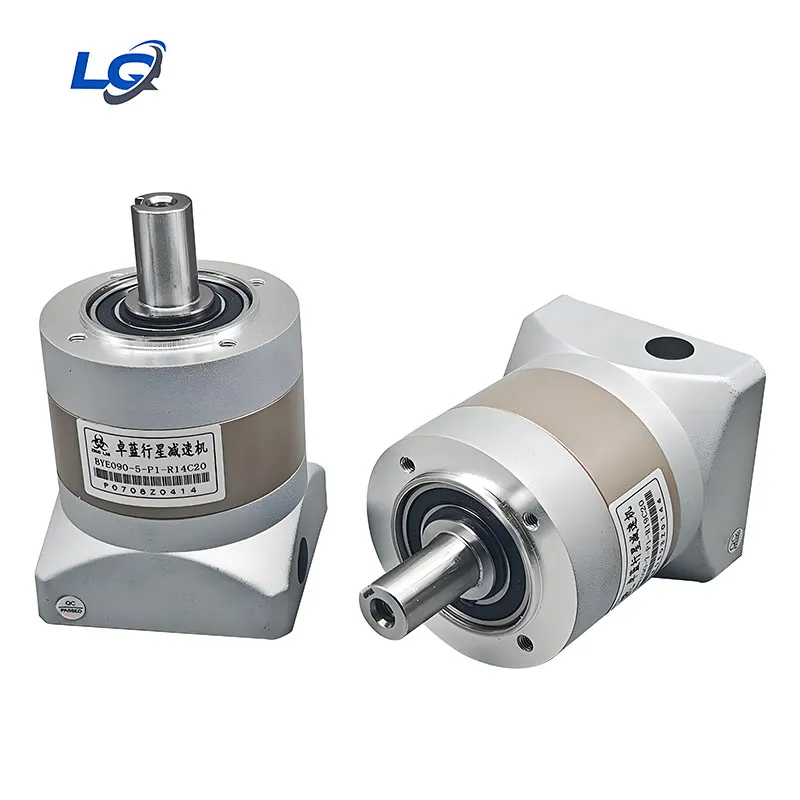
The main reason is balanced load distribution. In a traditional single-stage layout, one gear pair can carry a large part of the stress. In a planetary gear reducer, the planetary gears divide the work across several contact points. That improves stability and helps the system stay smooth under load.
This layout also improves transmission efficiency. A good reducer can handle high input speed while still delivering controlled output speed and stable force. When the machine needs smooth power flow, especially in servo-driven systems, this makes a visible difference in overall machine behavior.
Another major benefit is size. A compact planetary gear unit can often provide more output in less space than larger traditional reduction systems. That matters in CNC equipment, packaging machines, robots, and compact automation modules where every millimeter matters.
The best way to understand the design features is to look at the core structure. A typical planetary gear reducer includes a central sun gear, surrounding planetary gears, a fixed or rotating ring gear, a carrier, bearings, and support for the input shaft and output shaft. Together, these parts create a balanced reduction system.
Here are the key design points buyers should know:
Many models also use a helical gear or helical tooth profile to reduce noise and improve meshing smoothness. In some high-end versions, ball bearings and precision-machined housings help improve stiffness, lower vibration, and extend service life. This is one reason why planetary gearheads are common in high-demand equipment.
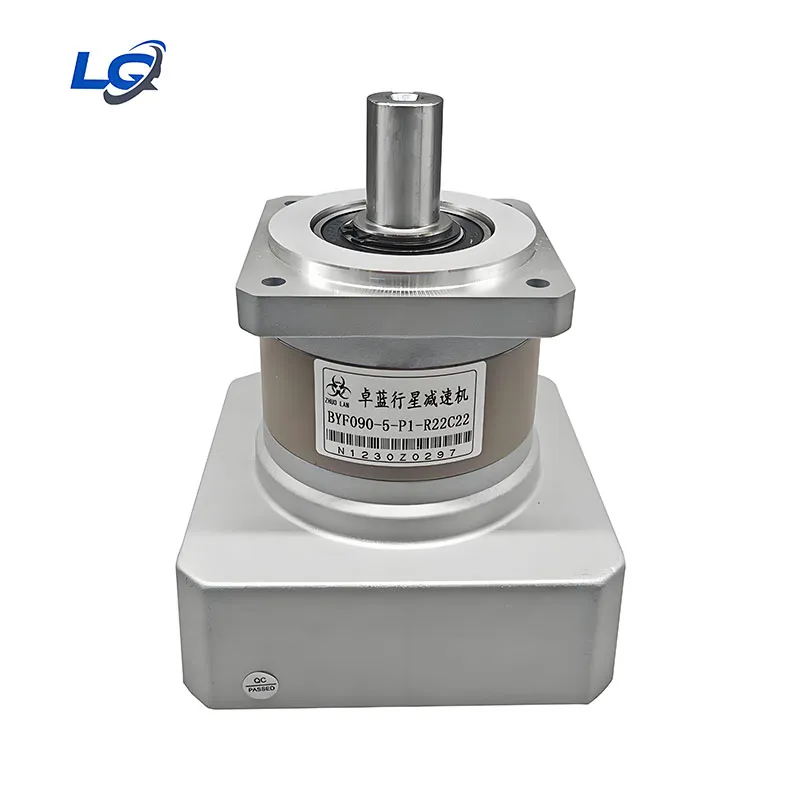
The applications of planetary gear reducers are broad because they solve real mechanical problems. They help increase force, stabilize motion, and make power flow more controllable. That is why gear reducers are widely used in modern factory equipment.
Typical industrial applications include:
These units are also used in a wide range of specialized sectors. In robotics, they help provide controlled movement and compact installation. In medical equipment, they support careful and repeatable motion. In automated lines, they are often used in conveyor systems where consistent speed and reliable output matter.
So when we talk about various industrial applications, we are not describing a niche product. We are talking about a core drive component that is used in various machine types and used in a wide variety of systems across a wide range of industries.
In many CNC and automation projects, the reducer is not a separate choice. It is part of the full motion package. A properly selected planetary gear reducer works closely with servo motors, drives, guides, and other transmission parts to improve machine response.
A servo system often needs controlled speed, clean acceleration, and strong but smooth output. That is where motion control and reducer design meet. A good reducer can help the motor handle load more effectively while keeping movement stable. In many motion control applications, that means better force delivery without oversizing the motor.
This is one reason many buyers benefit from planetary reduction when using servo systems. The reducer helps the machine hold position, improve dynamic output, and support more accurate motion under changing load. LONGQIAO’s integrated supply model is especially useful here, since buyers often need servo motor systems, planetary reducers, ball screw products, and linear guide rail assemblies together.
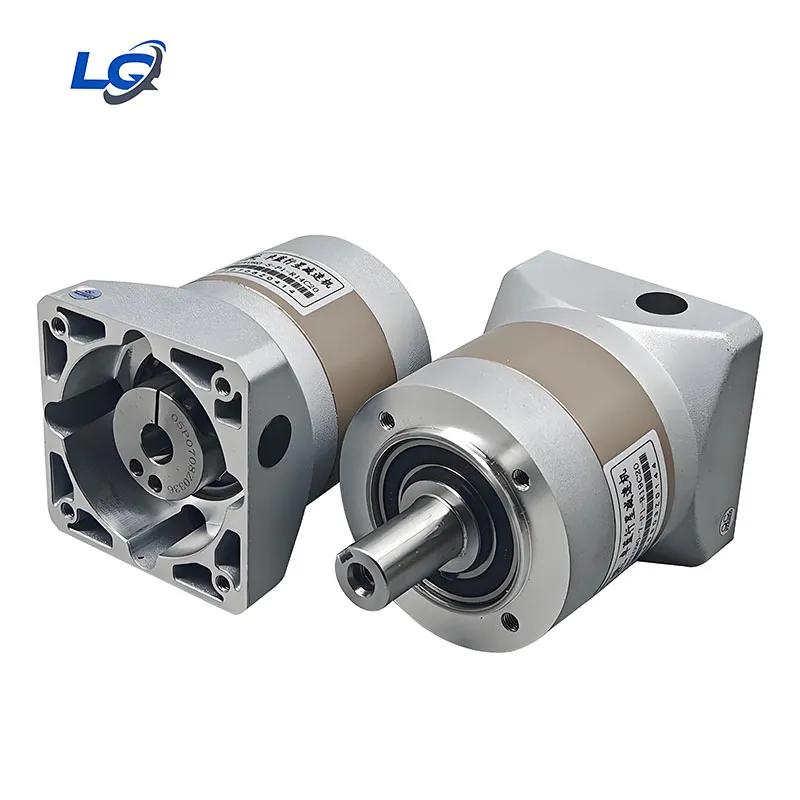
A planetary gear reducer is not the only reduction solution on the market. You may also see belt drives, bevel systems, worm units, and standard industrial gearbox products. But planetary designs stand out because of their load balance, size, and dynamic capability.
Compared with a basic speed reducer, planetary systems are often better suited for high-response machines. Compared with oversized industrial boxes, they are easier to integrate into compact equipment. Compared with some older reduction methods, they usually offer stronger performance in applications requiring compact size and clean motion response.
You may also hear terms like gearheads, planetary gearheads, and gear units. In practice, these often describe compact reduction heads used with motors. A precision planetary gear model is especially useful in high-accuracy machine systems. These units can offer high output quality while keeping the package small.
For many OEMs, the deciding factors are simple:
That is why many reducers offer high value only when they are matched correctly to the load and the motor.
I always suggest looking at real machine conditions first. The right planetary gear reducer should match the load, the motor, the mounting space, and the actual output target. Buyers who only compare price often face trouble later.
A practical checklist includes:
For projects involving planetary reducers for industrial equipment, the best supplier is often the one who can support more than one component. LONGQIAO focuses on integrated supply for CNC builders, automation integrators, and distributors who want stable quality, fast delivery, and easy multi-part sourcing.
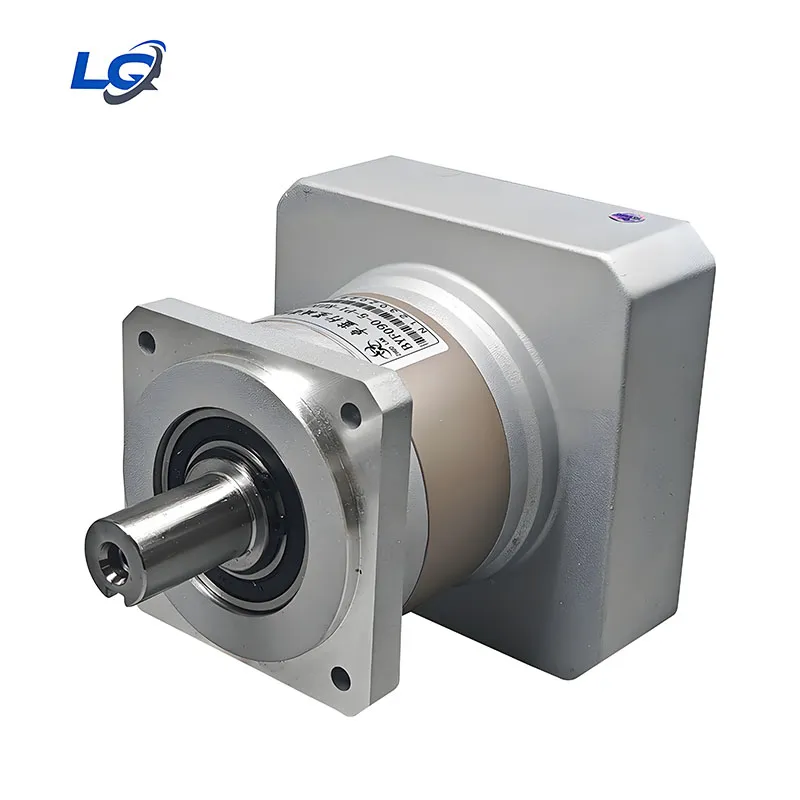
LONGQIAO is not positioned as a single-product seller. It is a one-stop CNC parts supplier serving global B2B customers that care about compatibility, lead time, technical support, and long-term cooperation. That matters because reducer selection rarely happens alone.
Many buyers building or maintaining machinery also need rack and pinion systems, CNC spindle motor products, ball screw assemblies, and guide components. A supplier that understands full machine matching can save time in development, purchasing, and after-sales support.
From my perspective, this is where LONGQIAO stands out. The company’s identity is built around stable quality, in-stock availability, factory-direct supply, and faster integrated sourcing for OEMs, distributors, and automation builders. In B2B projects, that kind of support can matter as much as technical specs.
Imagine a small automatic feeding module in a CNC support unit. The designer wants compact size, smooth movement, and strong output at controlled speed. A direct motor alone may not deliver the right result without becoming too large.
By adding a matched planetary gear reducer, the designer can lower motor-side demand while improving usable force at the output. The machine gains better response, better packaging, and more stable force delivery. This is one of the most common reasons planetary systems are making them ideal for applications where space and performance must work together.
The same logic applies in a wide variety of applications, from small transfer modules to more advanced cutting and handling systems. When buyers understand this system-level value, reducer selection becomes much easier.
A planetary gear reducer is used to reduce speed and increase usable output force in machine systems. It is common in CNC equipment, automation, packaging lines, robotics, and other systems that need stable motion and compact power transmission.
Because planetary gears share load across several contact points, they can deliver strong output in a smaller package. This makes them suitable for applications with limited space and demanding performance targets.
Start with target speed, required output force, motor speed, and load conditions. The correct reduction helps balance speed and force while supporting machine efficiency and control.
Yes. They are widely matched with servo motors because they help improve usable output, support dynamic control, and fit well in compact motion systems.
Yes. With proper machining and design, they can support high precision systems such as automation modules, CNC equipment, and some medical and robotic applications.