
April 03, 2026

Rack and Pinion: Understanding Steering Systems and Linear Motion in CNC & Automation

When traditional linear drives fail under heavy load, long travel, or high-precision demand, it can cause steering issues, wear, and costly downtime. The solution is a rack and pinion system engineered for stability, precision, and smooth linear motion.

A rack and pinion system converts rotational motion into precise linear motion, enabling reliable steering systems for both CNC machines and automotive applications. It ensures high load capacity, consistent performance, and seamless integration with servo or stepper-driven motion control systems.

How Does a Rack and Pinion System Work?

A rack and pinion steering system transforms rotational motion from a steering wheel or motor into linear motion along a rack. The pinion gear rotates, causing the rack to move left or right, which in CNC or automation equipment translates into precise linear motion for slides, actuators, or gantry axes.

  1. Pinion gear rotates: converts rotational input into linear output.
  2. Rack gear moves linearly: drives the load or vehicle wheels.
  3. Seals in the rack: prevent lubrication loss and contamination, extending system life.

This design ensures high rigidity and consistent response, making it ideal for CNC routers, laser cutting machines, and automated production lines.
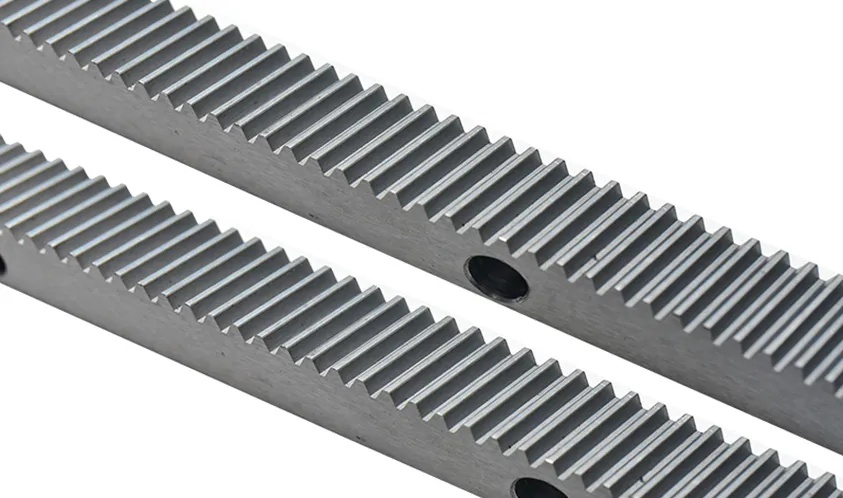
Rack and Pinion

Why Choose Rack and Pinion for CNC & Automation?

Compared with belts or ball screws, rack and pinion systems offer:

  1. Higher load capacity: gear teeth and high-strength steel support heavier forces.
  2. Long travel stability: minimal deflection over extended distances.
  3. Precise linear motion: CNC-machined teeth reduce backlash and vibration.
  4. Ease of integration: compatible with servo motors and stepper systems.

This makes rack and pinion drives particularly suited for long-stroke applications, high-speed gantry axes, or heavy-duty automation lines.

What Are the Key Components of a Rack and Pinion System?

The main components include:

  1. Rack – precision-machined linear gear.
  2. Pinion gear – converts rotational input to linear motion.
  3. Tie rod ends / connectors – transfer motion to the driven structure.
  4. Seals – maintain lubrication and protect against debris.
  5. Housing or support rails – provide alignment and stability.

By optimizing materials and manufacturing tolerances, LONGQIAO rack and pinion systems ensure smooth, precise motion and long service life.
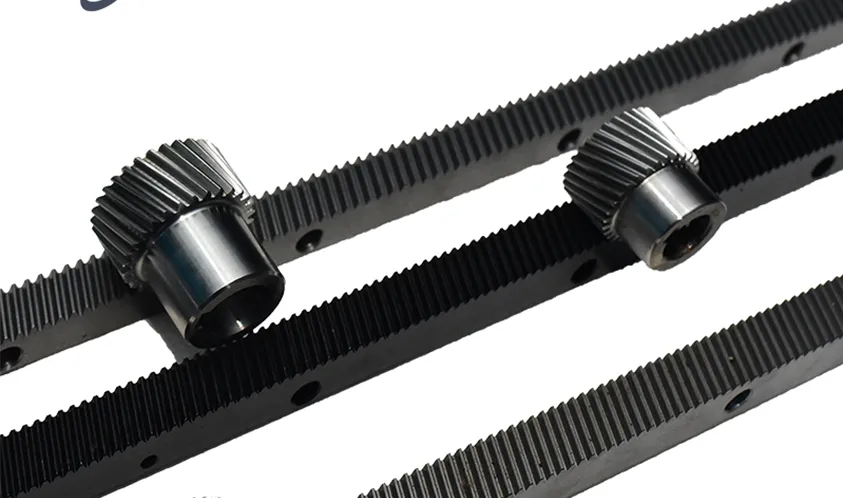
Rack and Pinion

How Does a Rack and Pinion Steering System Improve Steering Control?

In automotive or industrial steering systems, a rack and pinion system provides:

  1. Direct feedback to the driver or controller.
  2. Reduced steering effort, especially at low speeds.
  3. Enhanced driver control and responsiveness.
  4. Accurate alignment of wheels or moving axes.

By converting rotational inputs into linear movement efficiently, operators can steer vehicles or machine axes precisely. This principle is identical in CNC machine steering for gantry systems and automated transport equipment.

Common Problems and How to Diagnose Them

Even robust rack and pinion systems can develop issues. Common problems include:

  1. Lack of lubrication: increases wear and reduces smoothness.
  2. Worn gear teeth: leads to backlash or lost precision.
  3. Seal failure: allows dirt ingress or oil leakage.
  4. Misalignment: causes uneven wear and compromised linear motion.

Regular inspection and timely maintenance are essential for long-term reliability in high-demand applications. %diagnose and repair rack and pinion

How Do Servo Motors Integrate With Rack and Pinion Drives?

In modern CNC and automation systems:

  1. A servo motor rotates the pinion, driving the rack linearly.
  2. Linear guides stabilize the rack, ensuring precise linear motion.
  3. Feedback sensors allow closed-loop control for accurate position and speed.

This integration is ideal for high-speed CNC axes, laser engraving systems, and automation production lines, where motion precision is critical.
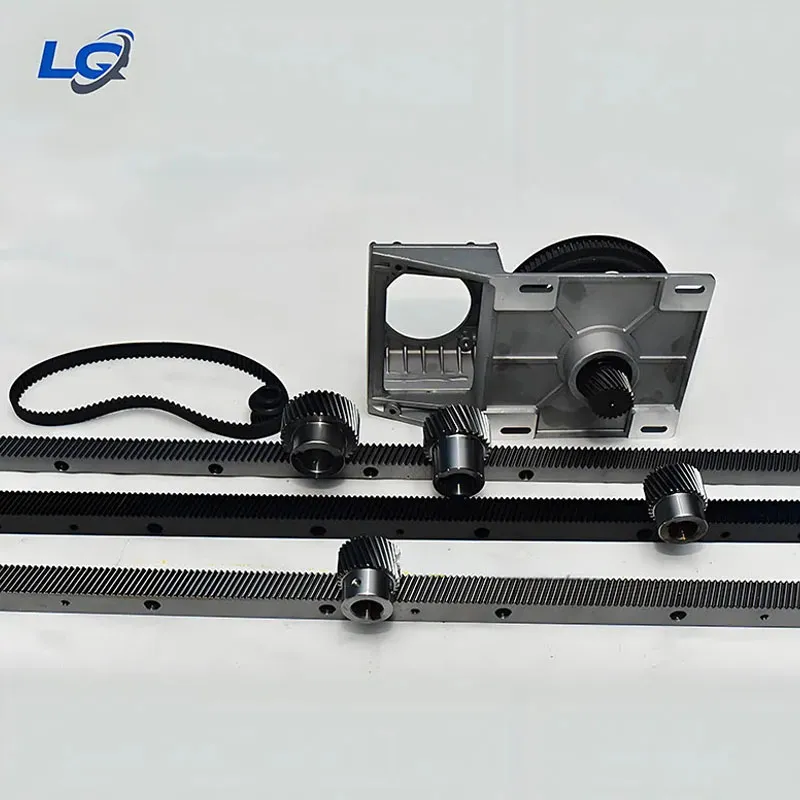
Rack and Pinion

What Materials Are Used in Industrial Rack and Pinion Systems?

  1. C45 / S45C / SCM440 steel: high strength and wear resistance.
  2. Heat-treated / high-frequency hardened teeth: reduces friction and extends service life.
  3. Surface coatings / finishes: prevent corrosion, ensure smooth linear motion.

Material choice impacts precision, durability, and compatibility with servo and stepper systems.

How to Choose the Right Rack and Pinion System?

Consider:

  1. Travel length of the axis or steering range.
  2. Load requirements: ensure gear and rack withstand maximum force.
  3. Accuracy needs: backlash, teeth precision, and alignment.
  4. Integration: compatibility with servo, stepper, or spindle motors.
  5. Maintenance and sealing: choose proper seals and lubrication.

LONGQIAO provides ready-made rack and pinion solutions with in-stock availability for fast deployment in CNC and automation projects.

FAQs

What is a rack and pinion used for?

It converts rotational motion into linear motion, suitable for CNC, automation, and automotive steering applications.

How does a rack and pinion steering system improve control?

It provides precise, direct linear motion with low steering effort, enhancing responsiveness and wheel alignment.

Can rack and pinion be integrated with servo motors?

Yes, servo-driven pinions deliver precise linear motion, ideal for CNC, laser, and automation axes.

What are common problems?

Wear, lack of lubrication, misalignment, and seal failure. Regular maintenance prevents downtime.

How do I select the right material?

Choose high-strength steel with proper hardening and surface finish to match load and precision requirements.

Difference between rack and pinion vs recirculating ball?

Rack and pinion excels in long travel and heavy loads; recirculating ball suits shorter, precision axes.


whatsapp

Contact Us

    Submit button with confirmation: “Thank you! Our team will reach out shortly.