
Poor motion control can ruin a machine fast. When a guide wears early, sticks under load, or loses accuracy, production slows and maintenance costs rise. The fix is simple in principle: choose the right linear guide and match it to your load, speed, and working environment.
A linear guide is a motion component that helps a carriage or slider move along a rail with controlled friction, stable support, and repeatable accuracy. A good linear guide rail improves linear motion, supports the load, reduces wear, and helps automation, CNC, and machine tool systems run smoothly over a long service life.
A linear guide is a motion support system that allows a moving part to travel in a straight path along a rail. In most designs, a carriage or slider moves over the guide while internal rolling elements such as balls or roller elements reduce contact resistance. This helps the system maintain smooth linear motion with good stability.
In a real machine, the guide does much more than “let something slide.” It supports the moving structure, holds alignment, and directly affects the final motion quality. If the linear guide rail is poor, the machine can vibrate, wear quickly, or lose accuracy. That is why guide selection matters just as much as the motor or drive.
I often think of the linear guide as the path that controls everything else. A strong path helps the machine stay precise. A weak one makes the full axis unstable. That is true in automation, a machine tool, or any system that depends on repeatable linear motion.
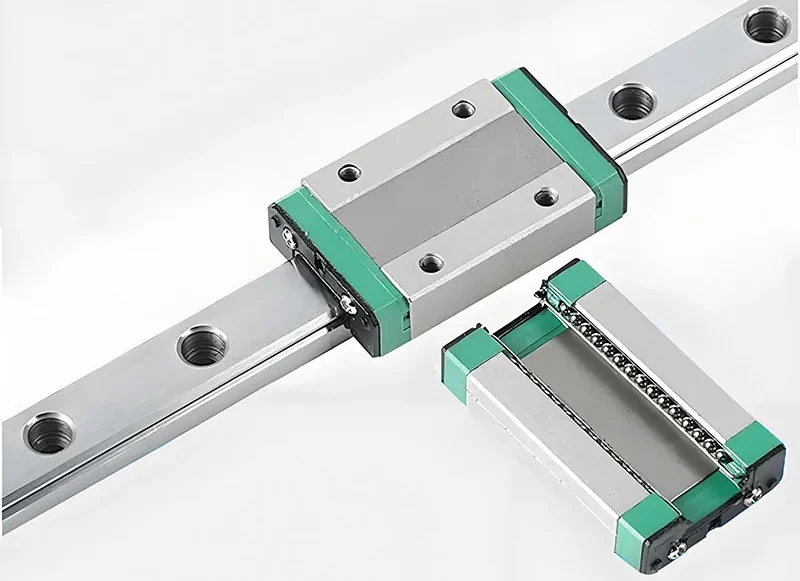
A линейная направляющая rail works by combining a fixed rail with a moving carriage. The carriage contains a rolling mechanism, which may use ball bearings, roller bearing elements, or another bearing structure. As the carriage moves, the internal rolling elements circulate and reduce resistance between the moving and fixed parts.
This design is why linear guide products are so effective in modern linear motion systems. The guide helps support the load while reducing drag, improving repeatability, and controlling travel direction. Compared with basic sliding surfaces, a well-made linear rail offers much better motion consistency.
The basic idea is simple:
That combination is what makes a linear guide system such a core part of industrial motion design.
There are several types of linear guides, and each one fits a different job. The most common options include profile rail guides, supported round rail systems, compact or miniature linear guide formats, and roller guides for higher load support. Each type offers a different balance of size, stiffness, and load handling.
A profile linear guide is common in many CNC and automation systems because it offers strong support and good precision. A compact or miniature linear design is more suitable when installation space is tight. A supported round rail may be useful in lighter-duty applications where simpler installation is helpful. In heavier-duty systems, a roller-type guide may be chosen because it can improve support under higher loads.
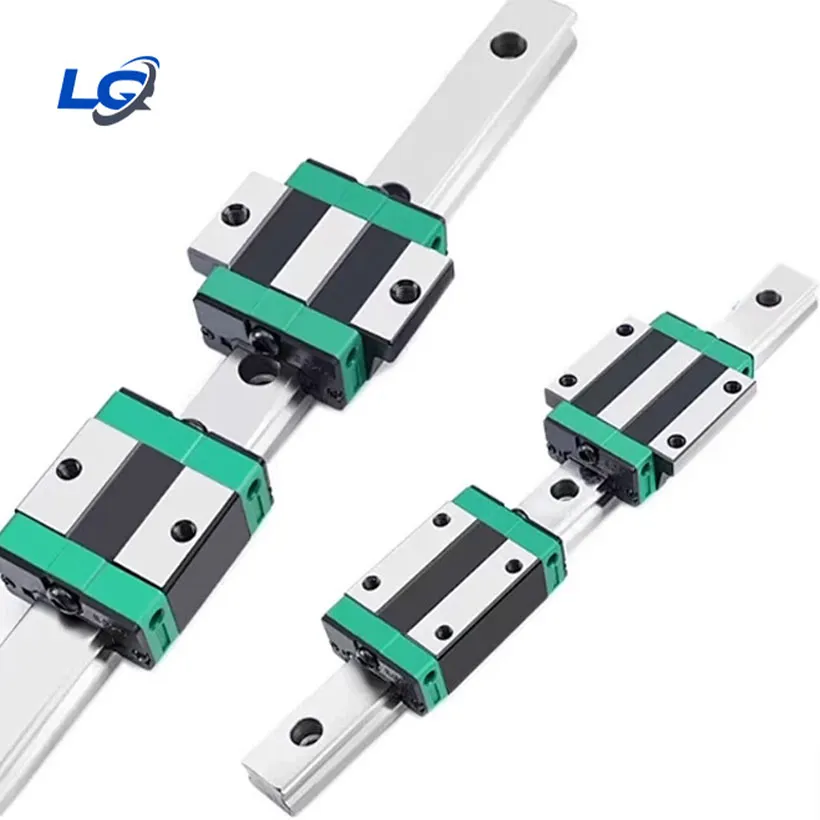
A roller bearing style guide is often a strong choice when you need more stiffness or higher load support. In many cases, roller designs distribute force more effectively across the contact path than standard ball rails. That can improve stability in heavier-duty motion systems.
This is why some engineers prefer roller guides in larger machine platforms. A линейная направляющая with a strong roller bearing structure can support higher loads and reduce deformation when compared with lighter-duty designs. If the application sees repeated shock, larger loads, or long-duty cycles, the choice becomes even more important.
Some industrial systems emphasize phrases such as high load capacity, heavy duty linear, or precision linear because these are exactly the points that matter in real projects. If the axis must carry a large platform or cutting head, a stronger linear guide system may be necessary from the start.
A plain slide can move from one point to another, but a proper linear guide system is designed to do much more. It offers controlled direction, better repeatability, and more support under load. That difference becomes clear when the machine cycles for long periods or works at higher accuracy.
A basic linear slide may rely on simpler contact surfaces, which can increase wear and make motion less stable over time. A linear guide rail with rolling elements improves efficiency and keeps the movement more predictable. That is especially important in automation, where small motion errors can multiply across thousands of cycles.
So while both guide a moving structure, they are not equal. A true linear motion guide is built for support, control, and repeatable travel. A simple slide may be cheaper, but it often gives up performance in the long run.
The internal bearing system is one of the most important parts of a линейная направляющая. It affects how the guide handles force, how smoothly it moves, and how long it lasts. The carriage shape, internal rolling path, and preload all influence the final load capacities of the guide.
A strong slider or carriage design helps distribute load more evenly. That reduces local stress and keeps the guide more stable during travel. In some systems, the difference between a short block and a longer one can significantly change how the guide responds to moment loads and side loads.
When reviewing a guide, I pay attention to three practical questions:
Those details matter because a guide that looks similar on paper may behave very differently in real use.
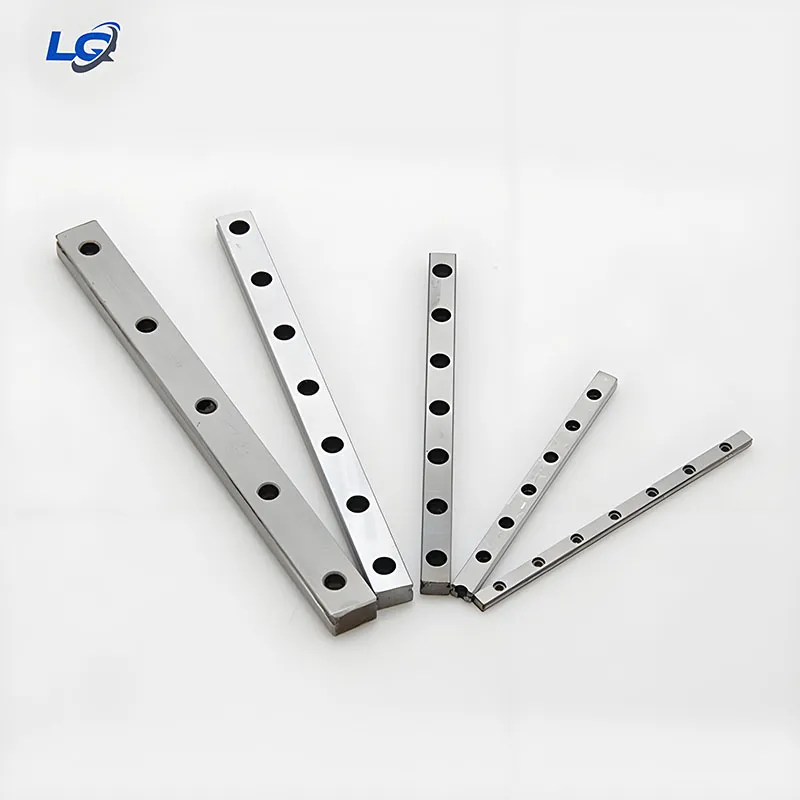
Even the best linear guide can fail early if lubrication is ignored. Good lubrication reduces wear, supports steady movement, and protects the internal rolling path. It also helps maintain motion quality as the machine runs over time. Without it, friction rises and the guide can wear much faster.
Material choice matters too. A stainless steel option may be the right answer when the environment includes moisture, corrosion risk, or stricter cleanliness needs. In other cases, standard carbon steel may offer a better cost-performance balance. The choice depends on where the machine works and what the guide must endure.
This is where modern guide technology becomes important. A well-designed guide should balance structure, material, sealing, and lubrication support. That is why buyers often compare standard steel, stainless steel linear, and stainless steel линейная направляющая options before making a final choice.
A linear guide almost never works alone. In most machines, it works with a ball screw, belt drive, rack system, or actuator. The guide controls path and support, while the drive system provides thrust. That partnership is what creates controlled linear motion.
A common arrangement in CNC and automation uses one or two guides with a ball screw
in the middle. The ball screw pushes or pulls the moving platform, while the linear guide rail keeps the movement straight and stable. If the guide is weak or mismatched, even a good screw system can perform badly.
A miniature linear guide is designed for smaller equipment and tighter layouts. When installation space is limited, a compact guide can provide the needed movement without adding bulk. That is why miniature linear formats are common in electronics devices, compact automation, and smaller precision platforms.
A compact linear guide still needs good bearing support, stable rail geometry, and dependable carriage quality. Small size should not mean weak design. In fact, small systems often demand even better motion control because there is less space for error or adjustment.
This is one reason many buyers compare a full-size линейная направляющая with a miniature linear guide
before selecting a final layout. If the machine is small and the load is moderate, a compact solution may be the smarter answer.
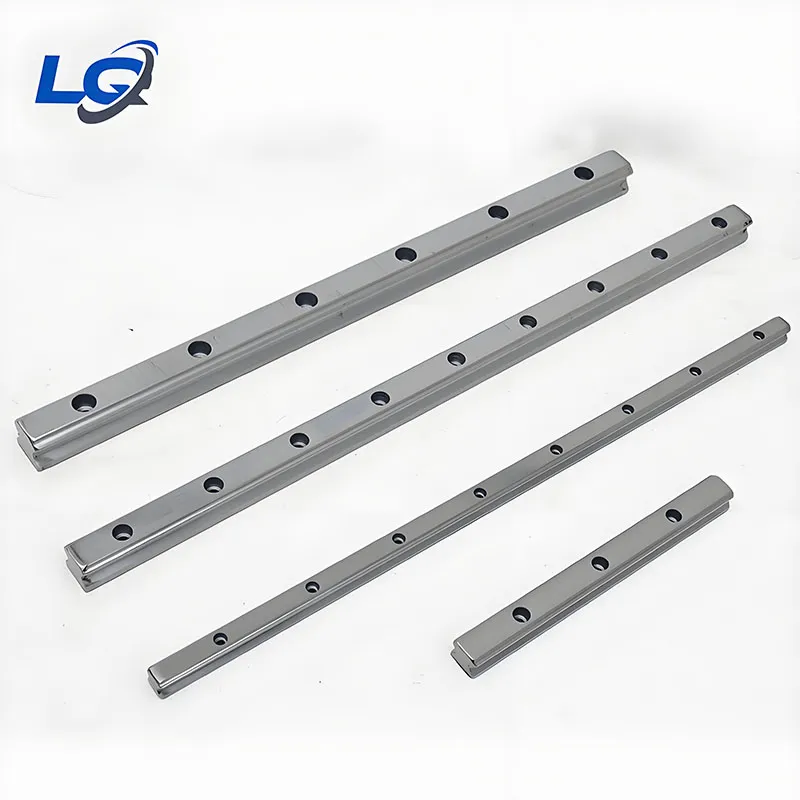
When selecting a linear guide, start with the application. Look at load direction, travel length, environment, installation space, and expected service cycles. Then compare the guide type, block size, preload, and material. This is the practical way to choose a linear guide.
A useful checklist includes:
For many buyers, selecting the right линейная направляющая is about balancing performance and purchasing efficiency. A good supplier should not only quote a part number. They should help match the guide to the actual machine.
A linear guide system is used almost everywhere that machines need controlled straight travel. In automation, it supports transfer units, pick-and-place devices, feeders, and assembly platforms. In CNC, it guides moving axes, gantries, and work platforms. In industrial machines, it supports drilling, cutting, measuring, and material handling.
Typical use cases include:
This is why guide systems are so central to machine design. The linear guide is one of the core motion structures that makes repeatable travel possible.
Not every machine needs the same guide size. A miniature linear guide is ideal when installation space is limited and the moving load is smaller. These guides are used in compact devices, instrument systems, and tight-motion modules where a standard guide would be oversized.
A compact linear guide may also make sense in slim equipment where space and weight are both limited. These products help designers reduce size while still keeping good motion quality. LONGQIAO’s broader motion range also supports compact applications through miniature guide solutions and smaller supported guide systems.
At the other end, heavy duty linear guides are used where larger structures, higher load, and stronger rigidity are required. These are often chosen for bigger industrial frames, larger gantries, or higher-force applications. So the guide type should always match the real machine size and force level.
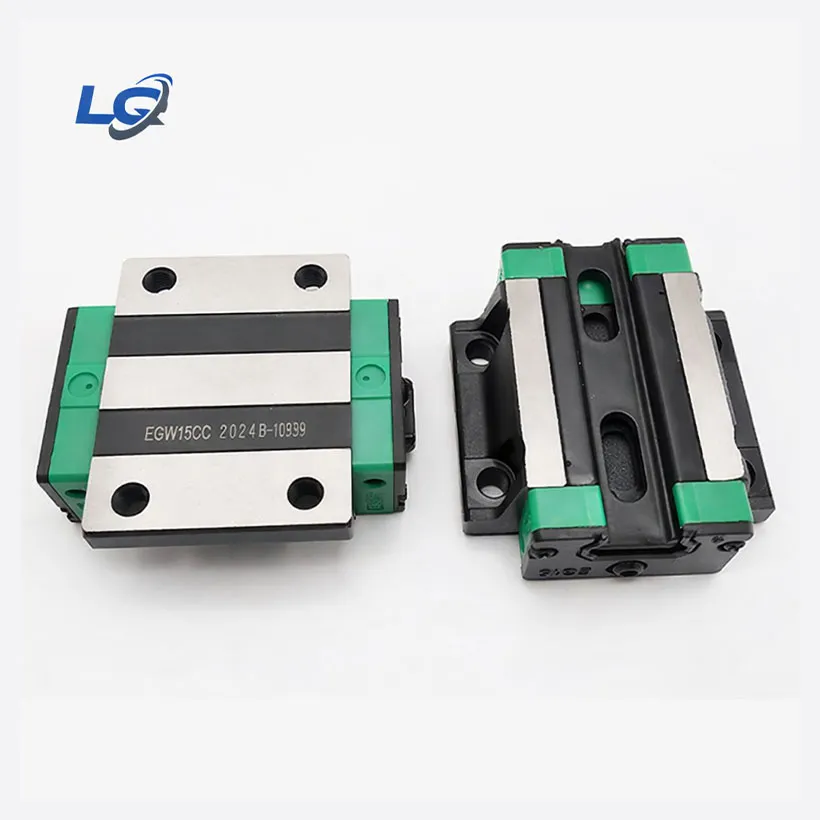
A linear guide rarely works alone. In most machine axes, it works with a drive part such as a ball screw, a rack and pinion drive, or a belt system. The drive creates force. The guide provides directional control.
In some systems, you may also see cam roller structures or special guide technology in specific motion layouts. While the exact design differs, the goal is similar: support a moving load with stable motion and predictable alignment. Some systems may use a profile rail, while others may rely on special guide systems built around compact or application-specific elements.
A well-matched motion axis often includes:
This is why one-stop sourcing matters. Buyers often need the linear guide, motor, screw, and support components to work together from the start.
Many global buyers do not want to source every motion part from a different company. That makes compatibility harder and slows projects down. A one-stop partner can simplify sourcing, especially for OEMs and distributors buying parts in batches.
LONGQIAO’s value is not only in one линейная направляющая category. It is in the ability to support multiple linear motion components together, including guides, screws, motors, and transmission parts. For customers building CNC routers, automated lines, and desktop machines, this reduces risk during machine development and spare-parts planning.
From a B2B view, that matters a lot. Stable quality, in-stock supply, faster delivery, and easier matching can be just as important as the guide itself.
A linear guide is used to support controlled straight-line travel in machines. It helps moving parts stay aligned and stable during linear motion.
A ball guide uses ball bearings for low friction and smooth running. A roller guide usually offers stronger rigidity and often higher load capacities.
Choose a stainless steel linear guide when the machine works in wet, corrosive, or clean environments where rust resistance is important.
Yes, a miniature linear guide is useful for compact CNC subassemblies, automation modules, and small devices where space is limited.
Very important. Lubrication helps reduce wear, maintain smooth motion, and extend the guide’s service life.
Yes. A linear guide often works together with a ball screw. The screw provides drive force, while the guide controls the movement path.