
Yanlış lineer kılavuzun seçilmesi, CNC makinesinin titremesine, hassasiyetini kaybetmesine ve çok hızlı aşınmasına neden olabilir. Bu sorun genellikle düşük kesme kalitesi, kısa hizmet ömrü ve daha yüksek onarım maliyetleri şeklinde ortaya çıkar. Çözüm, yükünüz, hızınız, hassasiyetiniz ve makine yapınıza uygun doğru lineer kılavuz rayını seçmektir.
CNC makinelerinde, hareketli parçaları desteklemek ve düz bir çizgi üzerinde yönlendirmek için doğrusal kılavuz ray kullanılır. Doğru doğrusal kılavuzu seçmek için alıcılar, yük kapasitesini, ray boyutunu, hassasiyet derecesini, rijitliği, rulman tipini, yağlamayı, çalışma hızını, montaj alanını ve ilgili CNC uygulamasını gözden geçirmelidir.
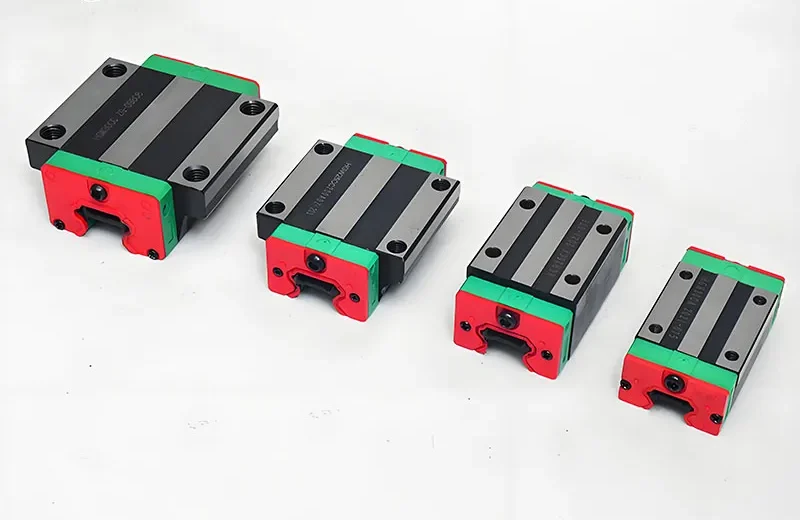
A doğrusal kılavuz bir makinenin düz bir çizgide hareket etmesini sağlayan hassas bir hareket parçasıdır. Genellikle sertleştirilmiş bir ray ve bir veya daha fazla hareketli bloktan oluşur. Blok, içindeki rulman yapısı sayesinde ray boyunca hareket eder.
Bir CNC makinesinde, doğrusal kılavuz ray, hareketli masayı, portal yapıyı, iş mili kafasını veya Z ekseni grubunu destekler. Kılavuz ray kendi başına güç üretmez. Bunun yerine, bilyalı vidalı, kremayer ve pinyon sistemi, kayış tahriki, servo motor veya step motor tarafından oluşturulan hareketi yönlendirir.
Kılavuz rayı, CNC ekseninin “yolu” olarak düşünebilirsiniz. Yol düz, sağlam ve pürüzsüzse makine sorunsuz hareket eder. Yol zayıf, engebeli veya hatalı monte edilmişse makine titreyebilir, hassasiyetini kaybedebilir veya erken aşınabilir.
Doğrusal kılavuz, doğrusal hareket kılavuzu, hareket kılavuzu, doğrusal ray veya doğrusal hareket yuvası olarak da bilinir. CNC alıcıları için bu isimler genellikle aynı temel işlevi ifade eder: istikrarlı ve hassas doğrusal hareket.
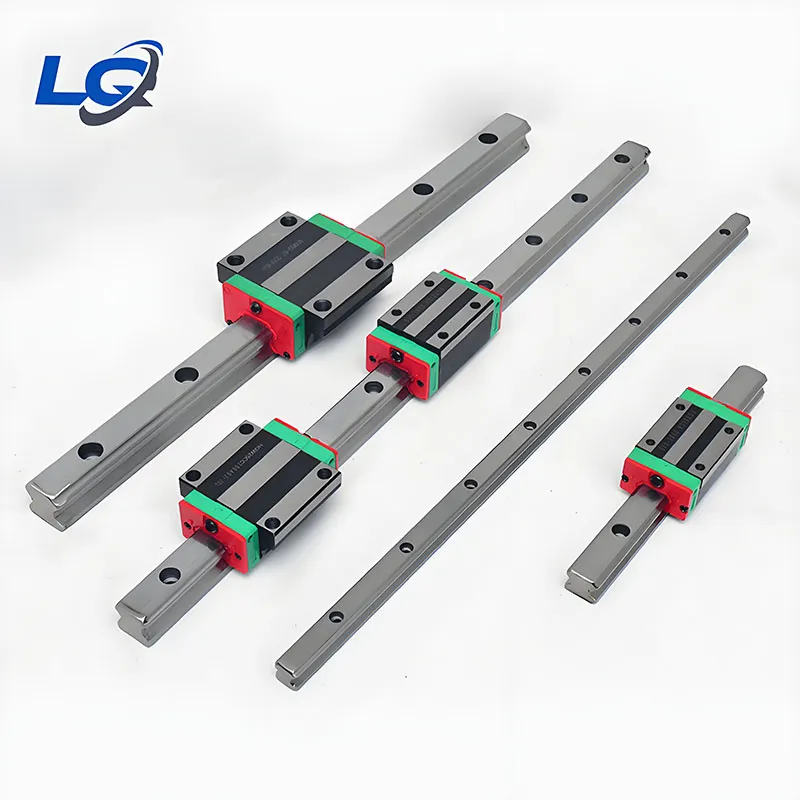
Sağ doğrusal kılavuz Hareketli parçaların yolunda ne kadar sağlam kalacağını belirlediği için hassasiyeti etkiler. Kesme, oyma, delme ve ilerletme işlemlerinde takım, programlanan yolu takip etmelidir. Ray sistemi bükülürse, sallanırsa veya düzensiz hareket ederse, nihai ürün kalitesi düşer.
Bir CNC makinesi, sağlam bir iş mili, iyi bir kontrol ünitesi ve güçlü bir servo motora sahip olabilir. Ancak kılavuz ray çok zayıfsa, makine yine de yüksek hassasiyeti sağlayamaz. Doğrusal hareket sistemi, tam bir zincir gibi çalışır. Zayıf olan tek bir parça, sonucun tamamını etkileyebilir.
CNC ve otomasyon alanlarında kullanılan çeşitli doğrusal kılavuz türleri bulunmaktadır. En yaygın türler arasında yuvarlak raylar, destekli yuvarlak raylar, profil raylar, kare doğrusal kılavuz sistemleri, bilyalı kılavuzlar ve makaralı kılavuzlar yer almaktadır.
Yuvarlak doğrusal ray, basit ve genellikle uygun maliyetlidir. Hafif hizmet tipi makineler, basit otomasyon sistemleri ve hobi amaçlı ekipmanlar için idealdir. Destekli yuvarlak ray, milin altına ek destek sağlar; bu da desteksiz yuvarlak raya kıyasla mukavemeti artırır.
Modern CNC ekipmanlarında profil ray veya kare lineer kılavuz daha yaygın olarak kullanılmaktadır. Bu sistemde dikdörtgen şekilli bir çelik ray ve devridaim eden yuvarlanma elemanlarına sahip bir blok kullanılır. Bu yapı, daha yüksek rijitlik, daha güçlü yük taşıma kapasitesi ve daha iyi konumlandırma kararlılığı sağlar.
Yük kapasitesi, lineer kılavuzun ne kadar kuvvet taşıyabileceğini gösterir. Gerçek makine kullanımında, ray hareketli parçaların ağırlığını, kesme kuvvetini, ivme kuvvetini ve moment yükünü kaldırabilmelidir. Moment yükü, bloğu yana yatırmaya çalışan bir bükme kuvveti anlamına gelir.
Sertlik, rayın bükülmeye veya deformasyona ne kadar iyi direndiğini gösterir. Yüksek sertliğe sahip bir kılavuz, takım yolunu daha istikrarlı tutar. Bu, metal kesme, ağır hizmet tipi frezeleme, hızlı yön değişiklikleri ve yüksek hızlı üretim için çok önemlidir.
Doğru lineer kılavuzu seçerken, alıcılar hem statik hem de dinamik yük değerlerini kontrol etmelidir. Statik yük, makinenin hareket etmediği veya yavaş hareket ettiği durumdaki yükü ifade eder. Dinamik yük ise hareket sırasındaki yükü ifade eder. Bir CNC ekseni, statik yük altında güvenli görünebilir ancak dinamik yük dikkate alınmazsa hızlı hareket sırasında arıza verebilir.
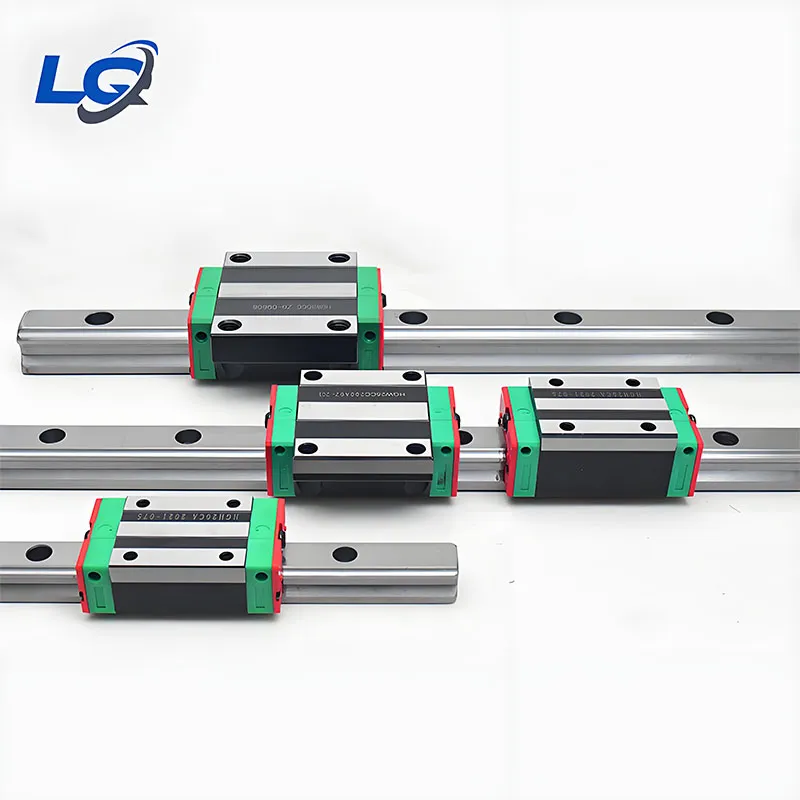
Bir doğrusal kılavuz bloğunun içinde, yuvarlanma elemanları blok ile ray arasında hareket eder. Bu yuvarlanma elemanları bilye veya makaralar olabilir. Bilyalı kılavuzlar, yumuşak hareket ve düşük sürtünme sağlar. Makaralı kılavuzlar ise daha yüksek rijitlik ve ağır yükler için daha iyi destek sağlayabilir.
Sürtünme önemlidir, çünkü yüksek sürtünme ısı, gürültü, güç kaybı ve aşınmaya neden olur. Düşük sürtünme, makinenin sorunsuz hareket etmesini sağlar ve motor yükünü azaltır. Bu, geleneksel lineer kızaklara kıyasla lineer kılavuzların en önemli avantajlarından biridir.
Yağlama da hayati önem taşır. İyi bir yağlama, metallerin doğrudan temasını azaltır ve ray ile yatak yapısını korur. Yetersiz yağlama, lineer kılavuzun hizmet ömrünü kısaltabilir. Sistem yeterli korumaya sahip değilse toz, talaş, metal parçacıkları, soğutma sıvısı ve plazma kalıntıları da kılavuz rayına zarar verebilir.
Temel bakım hususları:
Lineer kılavuzun kullanım ömrü, yük, hız, yağlama, çalışma ortamı, montaj hassasiyeti ve bakıma bağlıdır. Lineer kılavuzun doğrusal kılavuz Bu faktörler erken aşamada kontrol altına alındığında durum çok daha iyi hale gelir.
Doğru lineer kılavuz rayı seçmek için ürün kataloğundan değil, makineden yola çıkın. Bir alıcı, öncelikle makinenin boyutlarını, hareket ettirilecek ağırlığı, kesme kuvvetini, hızı, hareket mesafesini, hedeflenen hassasiyeti, çalışma ortamını ve bütçesini bilmelidir.
Örneğin, bir masaüstü CNC makinesinde düzgün hareket eden kompakt bir ray gerekebilir. Büyük bir ahşap işleme CNC freze makinesinde ise daha sağlam raylar, daha iyi toz koruması ve daha uzun stok sürekliliği gerekebilir. Bir lazer kesim makinesinde ise yüksek hızda hareket ve düşük sürtünme gerekebilir. Bir metal CNC makinesinde ise yüksek rijitlik ve yüksek hassasiyet gerekebilir.
doğrusal kılavuz tam hareket sistemiyle uyumlu olmalıdır.
Sıkça yapılan bir hata, rayı yalnızca fiyatına göre seçmektir. Düşük maliyetli bir ray, hafif işlerde işe yarayabilir, ancak bir üretim amaçlı CNC makinesinde uzun ömürlü olmayabilir. Ray erken aşınırsa, makine hassasiyetini kaybedebilir ve ileride daha fazla maliyete yol açabilir.
Bir başka hata da montajı göz ardı etmektir. Montaj yüzeyi düzgün değilse, yüksek hassasiyetli bir lineer kılavuz bile düşük performans gösterebilir. Rayların paralelliği, vida sıkma sırası, blok hizalaması ve tabanın rijitliği, CNC makinesinin performansını etkileyen faktörlerdir.
Alıcılar şu hatalardan kaçınmalıdır:
Doğru lineer kılavuzu seçmek zor değildir, ancak kapsamlı bir değerlendirme gerektirir. Ray, hareketi yönlendirmek için tasarlanmıştır, ancak aynı zamanda kuvveti de taşır. Onu basit bir aksesuar olarak değil, makinenin temel bir yapısı olarak değerlendirin.
Bir doğrusal kılavuz tek başına çalışmaz. Diğer CNC hareket bileşenleriyle birlikte çalışır. Kılavuz rayı, hareket eden parçayı destekler ve yönlendirir. Bilyalı vidalı mil veya kremayer ve pinyon, doğrusal hareketi sağlar. Servo motor veya step motor, gücü sağlar. Kontrolör ise sisteme nereye gideceğini bildirir.
Tipik bir bilyalı vidalı eksen şu şekilde görünür:
Denetleyici
↓
Servo sürücüsü
↓
Servo motor
↓
Kugurlu vida
↓
Bilyalı somun ve hareketli plaka
↓
Doğrusal kılavuz ray ve blok
↓
CNC eksen hareketi
Kısa ve orta mesafeli hareket eksenleri için, alıcılar genellikle hassas CNC doğrusal hareketi sağlamak üzere bir bilyalı vidayı doğrusal kılavuz ray ile birlikte kullanır. Daha uzun eksenler için ise, CNC makinesinin hareketi amacıyla bir kremayer ve pinyon sistemi daha pratik olabilir.
Motor da önemlidir. CNC hareket kontrolü için bir servo ve sürücü sistemi, hızı ve konumlandırma kontrolünü iyileştirebilir. CNC tork aktarımına yönelik bir planet dişli redüktörü, daha ağır eksenlerde motor hızı ile torkun birbirine uyumlu hale getirilmesine yardımcı olabilir.
En iyi hareket sistemi, dengeli olandır. Güçlü bir motorun zayıf raylarla donatılması yeterli değildir. Hassas bir bilyalı vidanın kılavuz ray hizalamasının yetersiz olması da yeterli değildir. CNC performansı, birbiriyle uyumlu parçalardan kaynaklanır.
Doğrusal kılavuz Uygulama alanları oldukça geniştir, çünkü neredeyse her makinenin kontrollü düz harekete ihtiyacı vardır. CNC ekipmanlarında, X, Y ve Z eksenlerinde CNC için lineer kılavuz ray kullanılır. Bu, iş mili kafasının, portalın, masanın veya kesme platformunun hassas bir şekilde hareket etmesine yardımcı olur.
Otomasyon alanında, lineer kılavuzlar, pick-and-place sistemleri, paketleme hatları, kontrol makineleri, besleme cihazları, tıbbi ekipmanlar ve küçük montaj makinelerini destekler. Bu sistemler, tekrarlanabilir ve düşük sürtünmeli lineer harekete ihtiyaç duyar.
Yaygın kullanım alanları şunlardır:
Bu uygulamaların çoğunda, bir doğrusal hareket kılavuzu hem hızı hem de hassasiyeti sağlamalıdır. Bu nedenle ray seçiminde sadece yük değil, aynı zamanda titreşim, temizlik, yağlama ve uzun vadeli değiştirme ihtiyaçları da göz önünde bulundurulmalıdır.
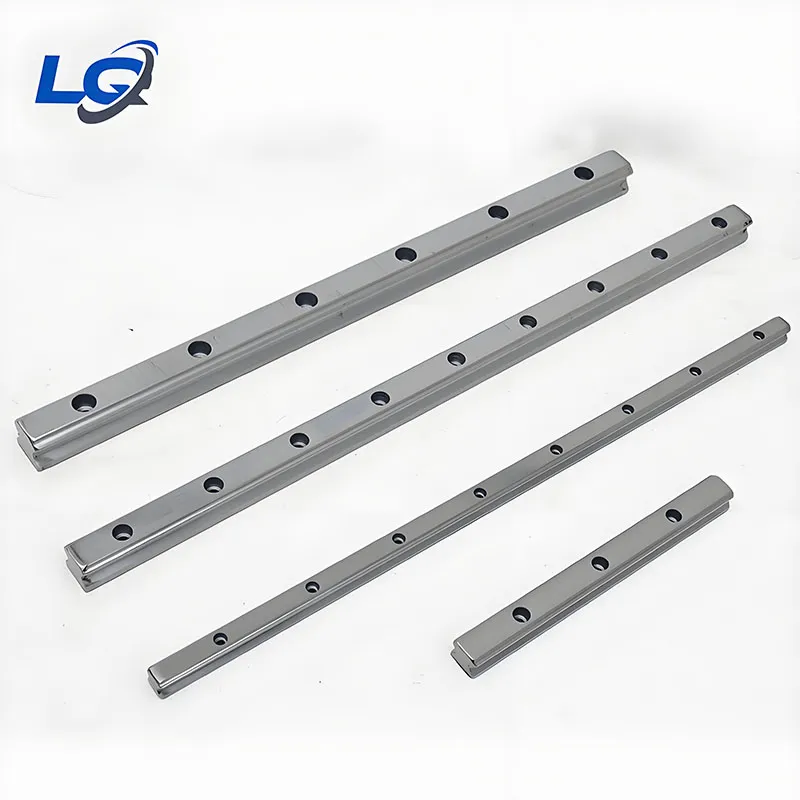
LONGQIAO / LQ, küresel pazara yönelik CNC makine parçaları tedarik eden, Çin merkezli tek elden tedarikçidir. CNC makineleri için doğrusal kılavuz rayları ve blokları, bilyalı vidalar, step ve servo sistemleri, iş mili motorları, planet dişli kutuları ile kremayer ve pinyon sistemleri dahil olmak üzere aktarma ve hareket kontrol bileşenleri tedarik etmekteyiz.
CNC makine OEM’leri, distribütörleri, ticaret şirketleri, otomasyon ekipmanı entegratörleri ile ahşap işleme CNC frezeleri, lazer kesim makineleri, plazma kesim makineleri, otomatik üretim hatları, 3D yazıcılar ve masaüstü CNC makineleri üreticileri için en önemli konulardan biri uyumluluktur. Bir makine üreticisinin sadece bir raya ihtiyacı yoktur. Vida, motor, tahrik sistemi, şasi ve yük ile uyumlu çalışan bir raya ihtiyacı vardır.
LONGQIAO Alıcılara şu konularda destek sağlayabilir:
Örneğin, daha sağlam CNC kılavuz rayı çözümleri arayan alıcılar, yüksek yüklu CNC uygulamaları için HGR lineer kılavuzu inceleyebilirler. Daha yumuşak hareket ve daha az bakım gerektiren bir çözüm arayan alıcılar ise düşük sürtünme performansına sahip EGR lineer kılavuzu da değerlendirebilirler.
Değerimiz sadece ürün tedariki ile sınırlı değildir. Aynı zamanda satın alma verimliliğidir. Birden fazla CNC hareket parçasını tek bir iş ortağından temin ederek, alıcılar iletişim süresini kısaltabilir, uyumsuzluk riskini azaltabilir ve teslimat planlamasını iyileştirebilirler.
Doğrusal kılavuz ray, hareketli makine parçalarını desteklemek ve düz bir çizgide yönlendirmek için kullanılır. CNC makinelerinde, eksenin hassasiyet, düşük sürtünme ve istikrarlı yük desteği ile sorunsuz bir şekilde hareket etmesine yardımcı olur.
Doğru lineer kılavuzu seçmek için yük kapasitesini, ray tipini, hassasiyet derecesini, rijitliği, hızı, yağlama gereksinimlerini, çalışma ortamını ve montaj alanını kontrol edin. Ayrıca rayı bilyalı vidaya, kremayeri sistemine, motora ve makine şasisine uygun hale getirmelisiniz.
Çoğu CNC uygulamasında, profil ray daha avantajlıdır; çünkü daha yüksek rijitlik, daha yüksek yük taşıma kapasitesi ve daha yüksek hassasiyet sunar. Yuvarlak raylar ise basit, hafif hizmet tipi veya düşük maliyetli makineler için kullanışlıdır.
Yağlama, sürtünmeyi, ısınmayı, gürültüyü ve aşınmayı azaltır. Uygun yağlama yapılmadığında, rulman sistemi daha hızlı aşınabilir, blok pürüzlü hale gelebilir ve kılavuz rayı hassasiyetini kaybedebilir.
Bir lineer kılavuzun hizmet ömrü, yük, hız, yağlama, montaj hassasiyeti, toz koruması, ray malzemesi, rulman kalitesi ve bakıma bağlıdır. Doğru seçim ve uygun montaj, hizmet ömrünü önemli ölçüde uzatabilir.
Evet. LONGQIAO, CNC makineleri ve otomasyon sistemleri için lineer kılavuzlar, HGR lineer kılavuzlar, EGR lineer kılavuzlar, bilyalı vidalar, servo ve sürücü sistemleri, planet dişli redüktörleri, iş mili motorları ile kremayer ve pinyon bileşenleri tedarik etmektedir.