Đội ngũ Kỹ thuật LONGQIAO | Sản phẩm & Ứng dụng | Xuất bản ngày 1 tháng 9 năm 2026
Hướng dẫn tuyến tính CNC được chia thành ba nhóm chính — thanh dẫn hướng dạng bi, thanh dẫn hướng siêu nhỏ và thanh dẫn hướng tự bôi trơn — và việc lựa chọn loại phù hợp cho một máy cụ thể phụ thuộc ít vào tên gọi của máy mà chủ yếu dựa vào mô hình tải, chu kỳ làm việc và mức độ sạch sẽ thực tế của môi trường xung quanh trục.
Một máy phay CNC và một bàn cắt plasma CNC có thể chia sẻ cùng một bố cục khung, thiết kế dầm cổng và thậm chí cả bảng điều khiển — nhưng vẫn đòi hỏi những lựa chọn thanh dẫn tuyến tính khác nhau, bởi vì yếu tố gây mài mòn ổ trục không phải là loại máy, mà là những tác động mà trục phải chịu khi vận hành. Máy phay CNC tạo ra bụi gỗ bắn ra mọi bề mặt hở gần dầm cầu. Máy cắt plasma tạo ra xỉ, nhiệt và thỉnh thoảng là các mảnh kim loại mịn, sắc nhọn và có tính mài mòn cao hơn nhiều so với bụi gỗ. Khung máy trông giống nhau, nhưng cơ chế hỏng hóc lại khác nhau.
Hướng dẫn này sẽ phân tích bốn nền tảng CNC phổ biến — máy phay, máy cắt plasma, máy cắt laser và máy phay cải tiến — đồng thời gợi ý dòng ray định vị LONGQIAO phù hợp với điều kiện vận hành thực tế của từng loại, sau đó đề cập đến phần mà hầu hết các hướng dẫn lựa chọn thường bỏ qua: bề mặt lắp đặt, bởi vì một thanh dẫn được chọn đúng thông số kỹ thuật nhưng được bắt vít vào bề mặt lắp đặt không được chuẩn bị kỹ lưỡng sẽ không thể đạt được hiệu suất định mức, bất kể bạn chọn dòng sản phẩm nào.
Tóm tắt về ba dòng họ Rail
Mỗi loại trong số này sẽ hiển thị khác nhau tùy thuộc vào loại máy mà chúng được lắp vào.
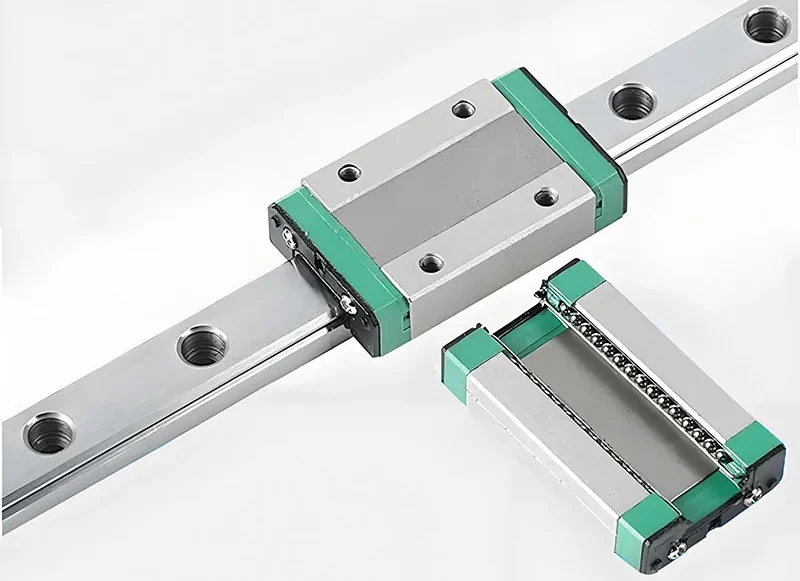
Các dầm máy phay liên tục tạo ra bụi từ gỗ, MDF và vật liệu composite, và loại bụi này đủ mịn để lọt vào thanh dẫn lộ ra ngoài nếu các miếng đệm gạt bụi không hoạt động hiệu quả hoặc thanh dẫn nằm ngay dưới đường đi của bụi. Hệ thống dẫn hướng HGR là lựa chọn tiêu chuẩn trong trường hợp này vì các trục máy phay hoạt động liên tục trong suốt quá trình gia công và cần khả năng chịu tải cũng như độ lặp lại mà cấu trúc lăn kiểu bi có thể duy trì trong số chu kỳ hoạt động cao. Trên các máy phay để bàn hoặc máy phay dành cho người có sở thích có kích thước nhỏ hơn, nơi giàn máy tự nó khá nhẹ, kích thước nhỏ gọn của MGR có thể là lựa chọn phù hợp hơn — không có lý do gì để lắp một khối HGR kích thước đầy đủ lên một giàn máy mà không bao giờ đạt đến khả năng chịu tải theo định mức.
Điểm sai lầm của các nhà thầu: lắp đặt thanh dẫn trực tiếp ngay dưới đường dẫn hút bụi của trục quay mà không có bất kỳ lớp che chắn nào, khiến các miếng đệm gạt phải chống chọi với luồng bụi mịn liên tục thay vì chỉ tiếp xúc thỉnh thoảng.
Plasma mang lại hai yếu tố mà máy cắt bằng khí không có: nhiệt tỏa lên từ vết cắt và xỉ — những hạt kim loại nhỏ, nóng, đôi khi sắc nhọn bám vào bất kỳ vật gì ở gần đó, bao gồm cả bề mặt ray hở. Đây chính là nơi ’EGR”Cấu trúc ma sát thấp, tự bôi trơn của máy thực sự phát huy tác dụng, bởi vì một bàn cắt plasma đặt trong xưởng sản xuất không phải lúc nào cũng được bôi trơn đều đặn như một máy phay chính xác, và việc giảm sự phụ thuộc vào bảo trì ở đây quan trọng hơn so với việc tận dụng tối đa khả năng chịu tải. Đối với trục di chuyển chính của dầm cổng chịu tải thực tế, HGR vẫn là lựa chọn mặc định; EGR thường là lựa chọn tốt hơn cho trục phụ hoặc trục Z, nơi chu kỳ làm việc thấp hơn nhưng khả năng bị bỏ bê cao hơn.
Dây chuyền sản xuất liên quan đến laser của LONGQIAO phát triển trực tiếp từ việc cung cấp linh kiện cho các nhà sản xuất máy khắc, do đó lĩnh vực này gần gũi hơn so với ba lĩnh vực còn lại. Các khung dầm laser thường nhẹ hơn so với khung máy phay hoặc máy cắt plasma và ưu tiên chuyển động êm ái, ít rung động hơn là khả năng chịu tải thô — rung động ở tần số không phù hợp sẽ thể hiện trực tiếp dưới dạng mép cắt gợn sóng hoặc hiện tượng nhiễu trên bề mặt khắc. Chính vì lý do này, MGR rất phù hợp với các nền tảng laser để bàn cỡ nhỏ và cỡ trung; HGR sẽ được kích hoạt khi kích thước giường máy và cụm đầu cắt làm tăng tổng khối lượng chuyển động lên đến mức giới hạn tải trọng của MGR trở thành yếu tố hạn chế, thay vì giới hạn về diện tích chiếm dụng MGR đã được chọn để giải quyết.
Việc nâng cấp máy phay thủ công lên CNC là một vấn đề khác biệt so với ba trường hợp nêu trên, bởi vì khung máy ban đầu không được thiết kế xoay quanh hệ thống dẫn hướng tuyến tính — bạn phải lắp thanh dẫn vào chi tiết đúc sẵn có, và tình trạng bề mặt lắp đặt trở thành yếu tố quyết định thay vì chỉ là vấn đề phụ. Dòng HGR hầu như luôn là lựa chọn phù hợp trong trường hợp này do tải trọng mà quá trình phay tác động lên trục, nhưng độ chính xác định mức của thanh dẫn chỉ tốt bằng bề mặt mà nó được bắt vít vào, và đó chính là lý do tại sao việc chuẩn bị lắp đặt được dành riêng một phần dưới đây thay vì chỉ được đề cập sơ qua.
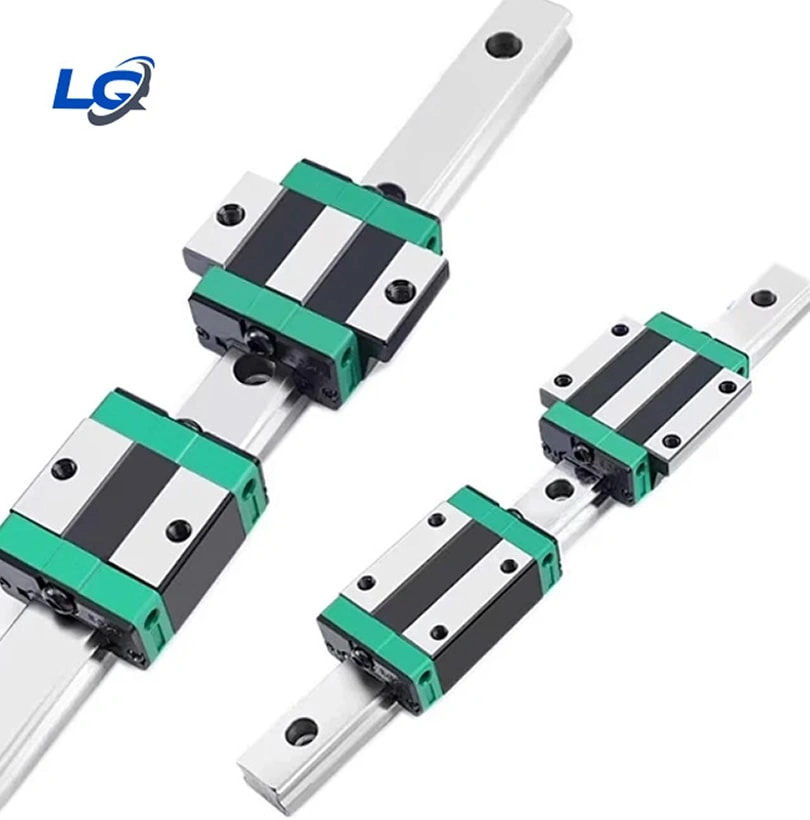
Chỉ số độ chính xác của thanh dẫn mô tả chính thanh dẫn đó — chứ không phải trục mà bạn lắp ráp từ nó. Nếu lắp đặt một thanh ray HGR được chỉ định đúng cách lên một bề mặt không phẳng, thanh ray sẽ theo các khuyết điểm của bề mặt đó, gây ra hiện tượng kẹt, mài mòn không đều hoặc sai lệch vị trí — những vấn đề này hoàn toàn không liên quan đến bản thân thanh ray mà hoàn toàn phụ thuộc vào bề mặt mà nó được lắp đặt lên. Có ba yếu tố quyết định liệu bề mặt lắp đặt có thực sự phát huy được hết khả năng của thanh ray hay không:
Lỗi lắp đặt phổ biến nhất không phải là sai sót về mô-men xoắn hay độ thẳng hàng — mà là việc bỏ qua hoàn toàn việc kiểm tra độ phẳng chỉ vì khung máy đã được chế tạo đúng theo thông số kỹ thuật trên giấy tờ. Quá trình hàn tạo ra ứng suất mà không phải lúc nào cũng biểu hiện rõ ràng cho đến khi khung máy nguội hẳn và được để yên một thời gian; đồng thời, việc nâng cấp máy phay dựa trên khung đúc cũ có thể tích tụ mài mòn trên bề mặt lắp đặt trong hàng thập kỷ — điều mà kiểm tra bằng mắt thường không thể phát hiện được. Việc kiểm tra bằng thước thẳng chỉ mất vài phút; trong khi việc chẩn đoán hiện tượng kẹt ngắt quãng trên trục đã lắp ráp sau vài tháng lại tốn nhiều thời gian hơn đáng kể.
| Gia đình đường sắt | Cấu trúc | Loại máy phù hợp nhất | Khả năng chịu tải | Bảo trì |
| Hướng dẫn tuyến tính HGR | Đường ray dạng quả cầu, được mài ba mặt | Trục chính của máy định tuyến, trục chính của máy cắt plasma, nâng cấp máy phay | Higher, được thiết kế để chịu được các chu kỳ sử dụng lặp đi lặp lại | Định kỳ, theo khoảng thời gian tiêu chuẩn |
| MGR Hướng dẫn tuyến tính thu nhỏ | Thiết kế nhỏ gọn | Máy laser để bàn/cỡ trung, hệ thống dầm di chuyển nhẹ | Chiều cao trần thấp, tỷ lệ công suất trên diện tích sàn cao | Định kỳ, theo khoảng thời gian tiêu chuẩn |
| Hướng dẫn tuyến tính EGR | Tự bôi trơn, ma sát thấp | Trục thứ cấp/trục Z của plasma, môi trường ít cần sự chú ý | Trung bình | Giảm ma sát — tự bôi trơn |
Khi đề cập đến phân loại độ chính xác trong các cuộc trao đổi với nhà cung cấp, tiêu chuẩn JIS B 1192 và các quy ước tương đương của DIN thường quy định hệ thống đặt tên các cấp độ chính xác tiêu chuẩn của ngành (C/H/P/SP/UP) dành cho thanh dẫn hướng trượt tuyến tính — đây là thông tin nền tảng hữu ích để so sánh các bảng thông số kỹ thuật giữa các nhà cung cấp, mặc dù hiện tại LONGQIAO chưa công bố xếp hạng độ chính xác cụ thể cho từng loại thanh dẫn và có thể xác nhận các yêu cầu về dung sai phù hợp với ứng dụng cụ thể theo yêu cầu.
Khi trục đã đảm bảo độ ổn định về mặt cơ khí, việc xác nhận trực tiếp xem cấu hình ray nào phù hợp với kích thước khung và chu kỳ làm việc cụ thể của quý khách là điều cần thiết — LONGQIAO cung cấp báo cáo thử nghiệm máy móc và video kiểm tra trước khi xuất xưởng kèm theo các đơn hàng ray, đồng thời có thể tư vấn về việc lựa chọn dòng sản phẩm phù hợp cho các dự án nâng cấp hoặc lắp đặt mới; vui lòng liên hệ với chúng tôi để nhận báo giá ngay khi thông số kỹ thuật của trục đã được xác định.
A: Đúng vậy, và điều này khá phổ biến trên các máy có các trục chịu tải trọng khác nhau — việc trục X dạng dầm trên HGR nặng hơn và trục Z trên MGR nhẹ hơn là một cấu hình bình thường, miễn là mỗi trục được thiết kế phù hợp với tải trọng và chu kỳ làm việc riêng của nó, thay vì phải điều chỉnh cho phù hợp với trục kia chỉ để đảm bảo tính nhất quán.
A: Cấu trúc tự bôi trơn giúp kéo dài khoảng thời gian bảo trì, nhưng không loại bỏ hoàn toàn nhu cầu bảo trì — chu kỳ làm việc và mức độ tiếp xúc với chất bẩn vẫn quyết định tần suất cần bảo trì trục, chỉ là tần suất này ít hơn so với đường ray tiêu chuẩn trên cùng một máy.
A: Yêu cầu về độ chính xác phụ thuộc vào quy trình gia công, chứ không phải do đây là dự án nâng cấp — một máy phay gia công kim loại với dung sai chặt chẽ thường đòi hỏi độ chính xác định vị cao hơn so với một máy router gia công gỗ hoặc xốp, bất kể máy nào ban đầu là máy vận hành thủ công.
A: Tình trạng chất bẩn xâm nhập qua các vòng đệm của bộ gạt là nguyên nhân phổ biến nhất trên các hệ thống router, plasma và laser — tiếp theo là việc bề mặt lắp đặt không được kiểm tra độ phẳng trước khi lắp thanh ray.
A: Đây là lựa chọn mặc định an toàn hơn về khả năng chịu tải, nhưng không phải lúc nào cũng là quyết định đúng đắn — đối với một máy cắt laser dạng giàn nhẹ hoặc máy để bàn có diện tích lắp đặt hạn chế, kích thước và chi phí của HGR có thể là quá mức cần thiết trong khi MGR đã đủ khả năng hoàn thành công việc.
Nếu trục của dự án nâng cấp hoặc xây mới của bạn không hoàn toàn phù hợp với các giải pháp nâng cấp cho máy phay, máy cắt plasma, máy cắt laser hoặc máy phay — chẳng hạn như hệ thống dầm cầu tùy chỉnh, bộ kẹp đa trục, hoặc chiều dài nhịp bất thường — thì mô hình tải trọng và mức độ tiếp xúc với ô nhiễm vẫn là yếu tố quyết định lựa chọn theo cách tương tự; hãy gửi cho chúng tôi kích thước khung và chu kỳ làm việc, và chúng tôi sẽ cùng bạn xác định dòng sản phẩm nào phù hợp nhất.