

Um bom sistema de lubrificação faz mais do que apenas adicionar óleo ou massa lubrificante. Fornece o lubrificante certo, no local certo, no momento certo. No caso de equipamentos CNC e maquinaria industrial, isto pode reduzir o atrito, controlar o desgaste, simplificar a manutenção e contribuir para uma maior fiabilidade dos equipamentos.
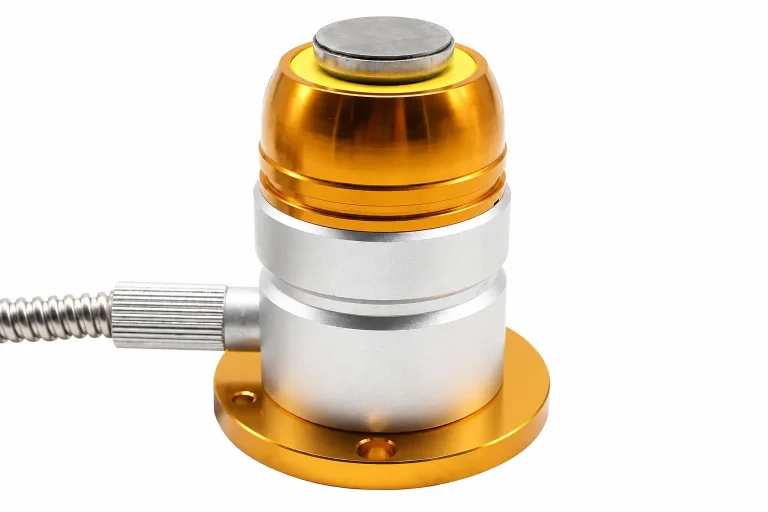
Saiba como um aparelho de ajuste de ferramentas CNC mede o comprimento da ferramenta, a posição no eixo Z, o diâmetro, o desgaste e as quebras em fresadoras CNC e centros de maquinagem, com dicas de seleção e configuração.
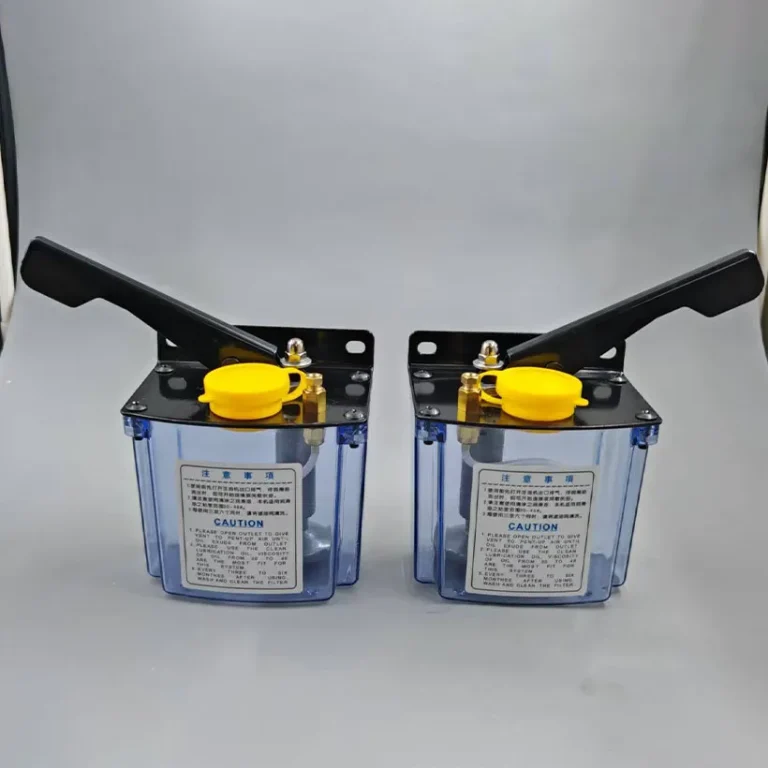
A escolha de uma bomba manual inadequada pode atrasar os trabalhos de manutenção, provocar derrames de óleo ou deixar peças da máquina sem lubrificante. Um preço baixo pouco significa se a unidade não for compatível com o seu fluido ou não se adaptar ao seu equipamento. Este guia ajuda-o a escolher o tipo certo e a preparar um pedido de compra claro. Escolha uma bomba manual de óleo de acordo com a sua função, […]
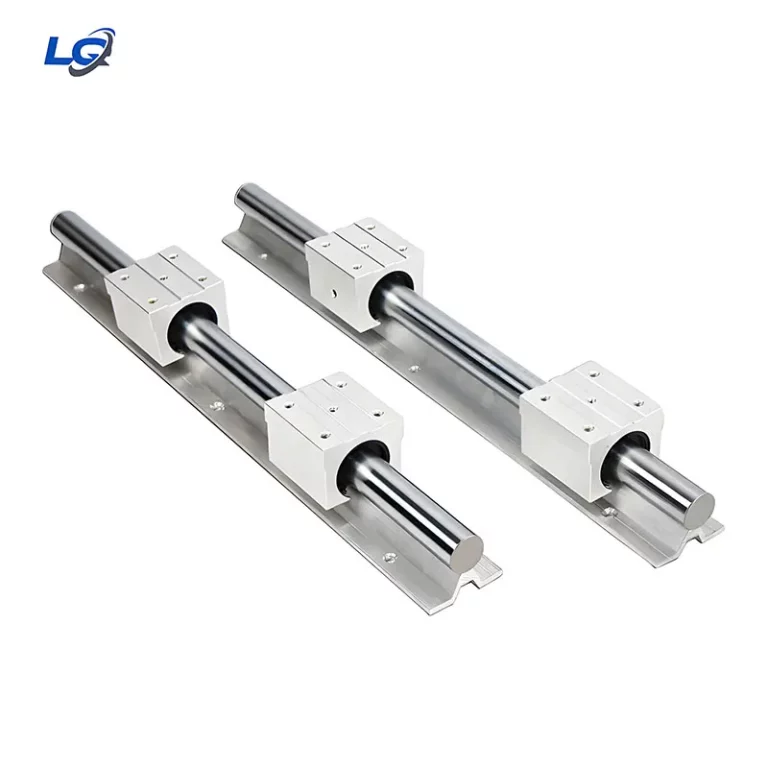
SBR and TBR are both supported round rails, in which a shaft is held along its length by a support rail. LONGQIAO describes SBR as the option for long-span, long-stroke, heavy-duty axes, and TBR as the one offering higher running stability and accuracy than unsupported shafts. Numeric specifications are not published online; request them with […]
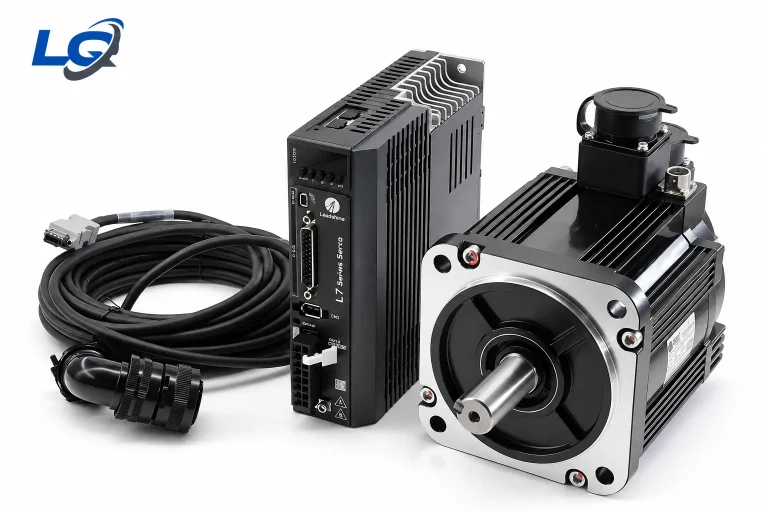
Choosing between a closed loop stepper and a servo motor can directly affect machine accuracy, speed, stability, and production efficiency. Selecting the wrong motor system may lead to lost steps, poor response, unnecessary costs, or unstable operation.