
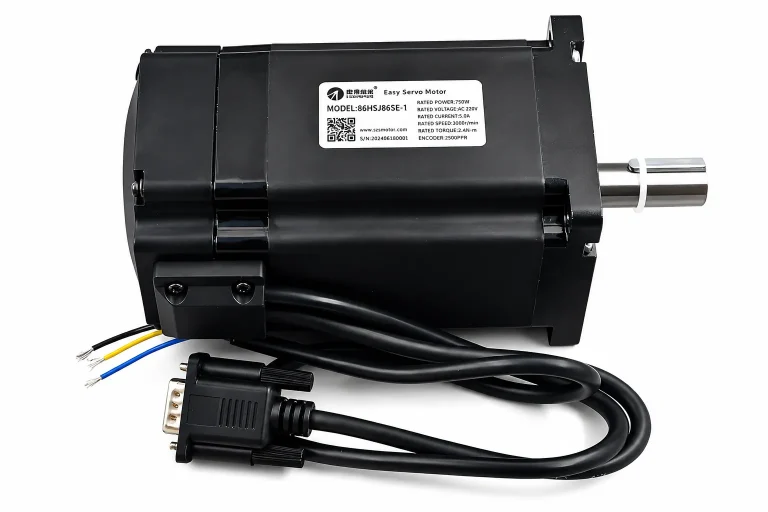
Le choix d'un servomoteur inadapté peut entraîner un couple insuffisant, un mauvais positionnement, une surchauffe, des vibrations ou un système de mouvement surdimensionné et coûteux. Pour les constructeurs de machines à commande numérique et les ingénieurs en automatisation, la solution ne consiste pas simplement à opter pour une puissance supérieure. Il faut harmoniser entre eux le moteur, le servomoteur, la charge, la vitesse, l'inertie, le système de rétroaction et le cycle de fonctionnement de la machine.
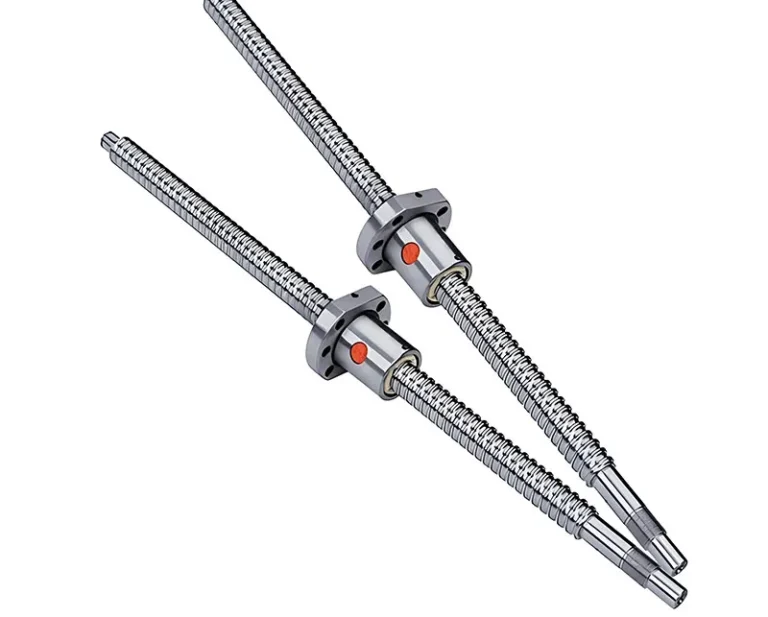
Un mauvais choix de vis à billes peut réduire la précision d'une machine CNC, augmenter le jeu et nuire aux performances d'usinage à long terme. De nombreux acheteurs se concentrent uniquement sur le diamètre et le pas, mais négligent des facteurs importants tels que le type d'écrou, la précharge, le niveau de précision et les exigences de l'application.

Le choix d'un rail de guidage linéaire de dimensions inadaptées peut entraîner des vibrations, une capacité de charge insuffisante et une précision d'usinage médiocre sur les machines CNC. De nombreux acheteurs se basent uniquement sur la largeur du rail pour faire leur choix, sans tenir compte du type de chariot, de la précharge, de la rigidité et des exigences liées à l'application.

A linear guide is a precision motion component that supports smooth linear movement between a rail and carriage. The main types include profile linear guides, round shaft linear guides, roller guides, and plain bearing guides. For CNC machines, profile linear guides are commonly selected because they provide high precision, rigidity, and load capacity.

Choosing between a ball screw and lead screw is one of the most important decisions when designing a CNC machine. A wrong choice can reduce accuracy, increase friction, and shorten machine life. The right solution depends on precision requirements, load, speed, and application.