









Produkte
Produkt-Kategorien
Neueste Produkte
Kontakt

Werkzeugsetzer für Bearbeitungszentren
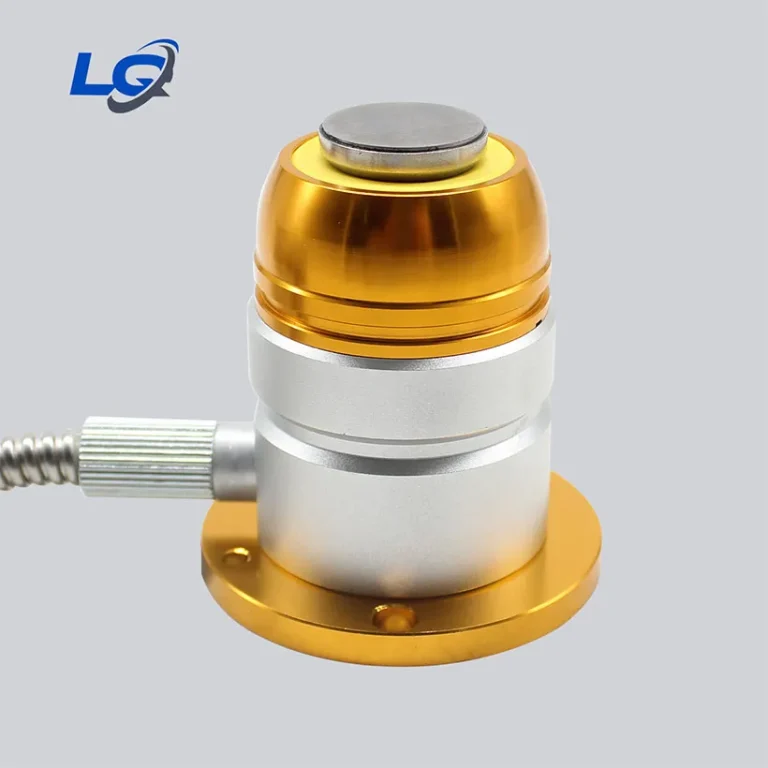
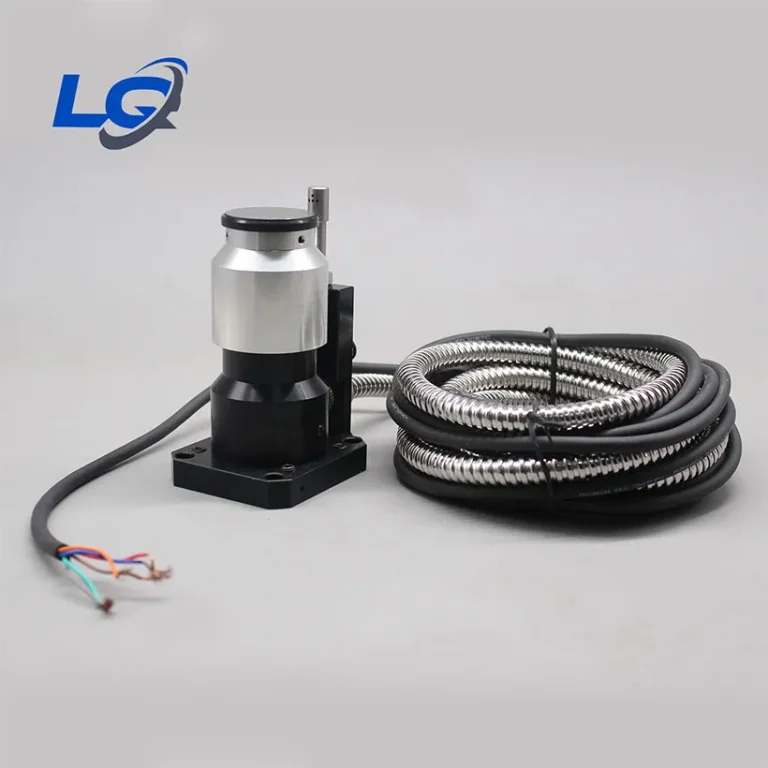
Dieser Werkzeugmessgerät für Bearbeitungszentren ist ein kabelgebundenes Kontaktmessgerät, das auf dem Maschinentisch oder dem Maschinenbett installiert wird. Das Schneidwerkzeug nähert sich der Kontaktfläche mit einer geregelten Geschwindigkeit und löst dabei ein elektrisches Signal aus, anhand dessen das CNC-System die Werkzeugposition erfassen und den erforderlichen Versatz berechnen kann.
Der Werkzeugmessgerät ist mit verschiedenen Kontaktdurchmessern, Befestigungssockeln und Signalkonfigurationen erhältlich und unterstützt die automatische Werkzeuglängenmessung, die Überprüfung des Werkzeugdurchmessers, die Verschleißüberwachung sowie die Erkennung von Werkzeugbrüchen an CNC-Bearbeitungszentren und Fräsmaschinen.
Produkt-Einführung
During the measuring cycle, the cutting tool contacts the carbide measuring surface and activates the internal switch. The CNC controller records the axis coordinate and processes the tool-length or diameter compensation according to the machine program.
This contact-based process reduces manual feeler-gauge measurement and trial-cutting procedures, helping improve tool-setting consistency during production, tool replacement, and machine setup. Wear monitoring and broken-tool detection can also be implemented when supported by the controller, wiring, and measurement program.
Produkt-Spezifikation
| Produktname | CNC Machining Center Tool Setter |
| Produkttyp | Wired contact tool setter |
| Measuring Functions | Tool length, tool diameter, wear, and breakage detection |
| Contact Diameter | Approx. 20 mm, 30 mm, or 50 mm |
| Signal Options | 4-wire normally closed or 6-wire normally open |
| Repeatability | Up to 0.001 mm |
| Protection Rating | IP68 |
| Contact Surface | Carbide contact pad |
| Montageart | Fixed table or machine-bed installation |
| Hauptanwendungsbereiche | CNC machining centers, milling machines, repair and retrofit projects |
| Herkunftsland | Shandong, China |
Produktmerkmale
Repeatability up to 0.001 mm
The contact mechanism provides repeatable trigger positioning for tool-setting cycles. This supports more consistent tool offsets during batch machining, tool replacement, and periodic tool-condition checks.
Automatic Tool-Length Measurement
The machining center tool setter allows the CNC system to record the tool contact position and calculate the tool-length offset according to the configured macro or measurement program.
Tool-Diameter Checking
The contact pad can support tool-radius or diameter measurement when the machine executes the required side-contact measurement cycle. Actual measuring capability depends on the controller and machine program.
Tool-Wear Monitoring
Periodic measurement allows the CNC system to compare the current tool position with the stored reference. When the measured difference exceeds the programmed tolerance, the controller can generate a warning or compensation command.
Broken-Tool Detection
The tool setting probe can be integrated into an in-process tool-checking routine. If the tool does not contact the setter within the expected position range, the machine program can issue an alarm or stop the cycle.
IP68 Protection
The supplied product information specifies an IP68 protection rating, supporting installation in machining environments where metal chips and cutting fluid may be present. Correct installation and cable sealing remain necessary.
Multiple Contact and Mounting Options
Contact diameters of approximately 20 mm, 30 mm, and 50 mm are shown, together with round and rectangular mounting bases. This gives machine builders and retrofit companies more flexibility when matching available installation space.
Produkt Anwendung
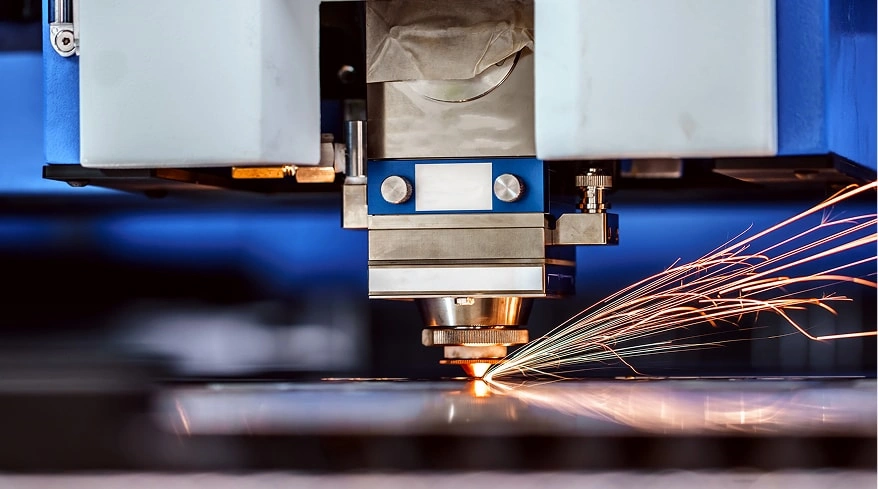
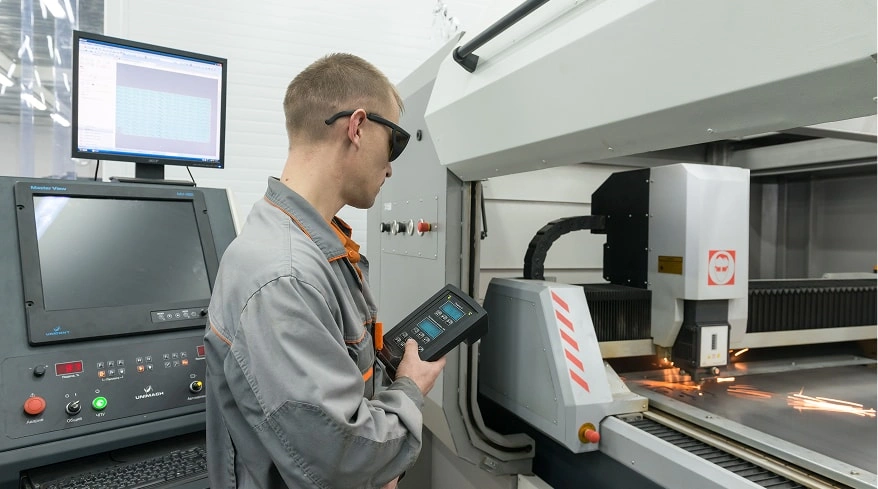
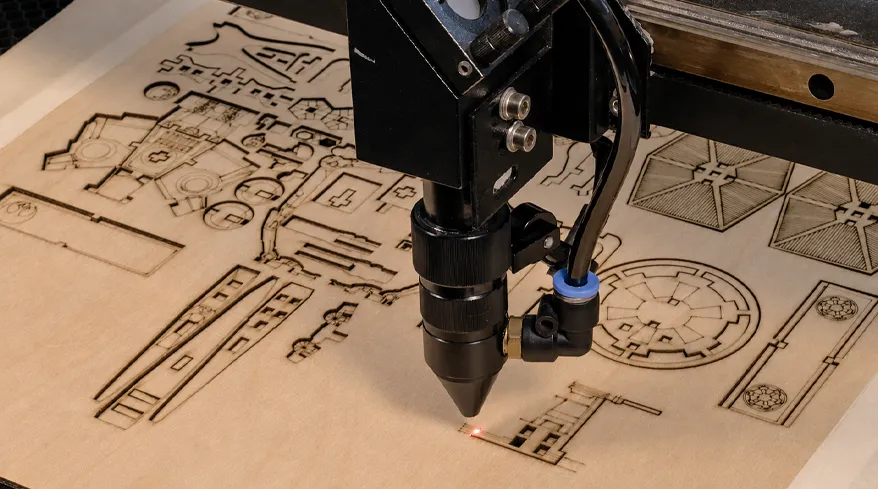
This machining center tool setter is designed for CNC machining centers, milling machines, multi-tool production lines, and machine retrofit projects. It supports automatic tool-length and diameter measurement, tool-wear monitoring, broken-tool detection, and consistent tool-offset setting during metalworking operations.
-
 CNC Milling Machines
 -
 Multi-Tool Machining Operations
 -
 Tool-Wear Monitoring
 -
 Machine Repair and Retrofit Projects
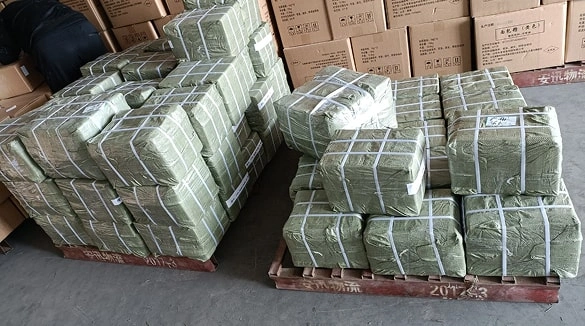
Verpackung, Lagerung, Handhabung und Transport
Elektronische Präzisionsmaschinen beziehen sich auf verschiedene Arten von Hightech-Geräten, wie z. B. Halbleitergeräte und wissenschaftliche Instrumente. Diese hochentwickelten Maschinen erfordern ein hohes Maß an Präzision bei Entwurf, Bau und Betrieb, was sie zu wichtigen Werkzeugen in vielen fortschrittlichen Branchen macht. Der Einsatz elektronischer Präzisionsmaschinen hat viele Bereiche revolutioniert und ermöglicht größere Genauigkeit und Effizienz in allen Bereichen, von der medizinischen Forschung bis zur Fertigung. Da die Technologie weiter voranschreitet, wird die Nachfrage nach elektronischen Präzisionsmaschinen nur noch weiter steigen.
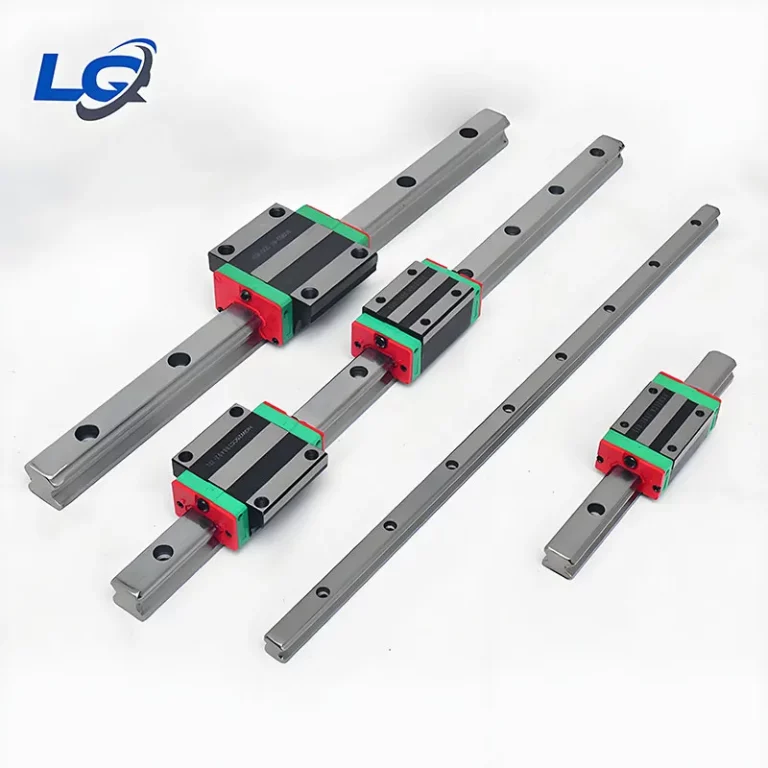
Linearführungen sind ein unglaublich vielseitiges Bauteil, das in eine breite Palette von Automatisierungsgeräten eingebaut werden kann, darunter Textilmaschinen, Druckmaschinen, Medikamentenspender und Physiotherapiegeräte. Darüber hinaus sind sie in Bluttestgeräten, Atemwegsreinigungsgeräten und anderen ähnlichen Geräten zu finden. Aufgrund ihres hohen Maßes an Präzision und Zuverlässigkeit sind Linearführungen die ideale Wahl für diese Art von Anwendungen und tragen dazu bei, dass alles reibungslos und effizient abläuft. Ganz gleich, ob Sie ein neues Gerät automatisieren oder ein bestehendes aufrüsten möchten, die Verwendung von HGR-Linearführungen ist eine kluge Entscheidung, die sich langfristig auszahlen wird.
-
 Lasergravur- und Schneidemaschinen
 -
 Sanftere Bewegung mit geringer Reibung