









Produits
Catégories de produits
Derniers produits
Contactez nous

Régleur d'outils pour centre d'usinage
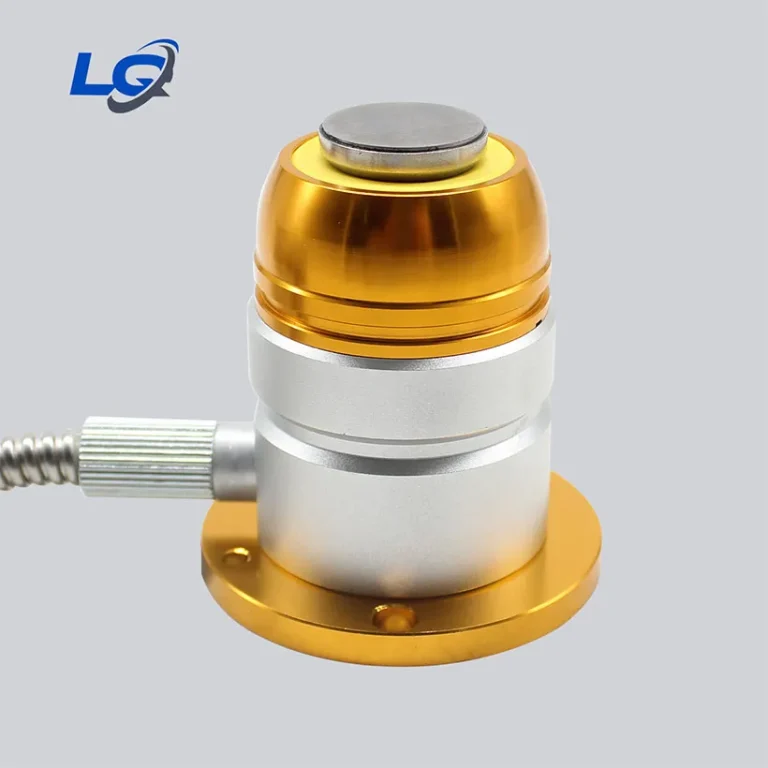
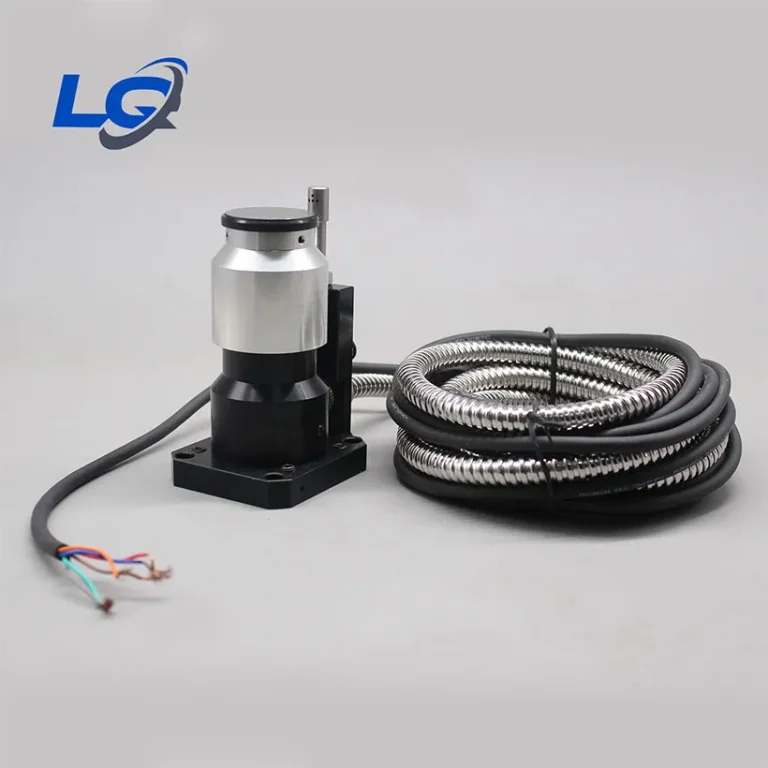
Ce système de réglage d'outils pour centre d'usinage est un dispositif de mesure à contact filaire installé sur la table ou le banc de la machine. L'outil de coupe s'approche de la surface de contact à une vitesse contrôlée, ce qui déclenche un signal électrique permettant au système CNC d'enregistrer la position de l'outil et de calculer la correction nécessaire.
Disponible avec différents diamètres de contact, socles de fixation et configurations de signal, ce dispositif de réglage d'outils permet la mesure automatique de la longueur des outils, le contrôle de leur diamètre, la surveillance de leur usure et la détection des outils cassés sur les centres d'usinage CNC et les fraiseuses.
Présentation du produit
During the measuring cycle, the cutting tool contacts the carbide measuring surface and activates the internal switch. The CNC controller records the axis coordinate and processes the tool-length or diameter compensation according to the machine program.
This contact-based process reduces manual feeler-gauge measurement and trial-cutting procedures, helping improve tool-setting consistency during production, tool replacement, and machine setup. Wear monitoring and broken-tool detection can also be implemented when supported by the controller, wiring, and measurement program.
Spécification du produit
| Nom du produit | CNC Machining Center Tool Setter |
| Type de produit | Wired contact tool setter |
| Measuring Functions | Tool length, tool diameter, wear, and breakage detection |
| Diamètre de contact | Approx. 20 mm, 30 mm, or 50 mm |
| Signal Options | 4-wire normally closed or 6-wire normally open |
| Repeatability | Up to 0.001 mm |
| Protection Rating | IP68 |
| Contact Surface | Carbide contact pad |
| Mounting Type | Fixed table or machine-bed installation |
| Principales applications | CNC machining centers, milling machines, repair and retrofit projects |
| Lieu d'origine | Shandong, Chine |
Caractéristiques du produit
Repeatability up to 0.001 mm
The contact mechanism provides repeatable trigger positioning for tool-setting cycles. This supports more consistent tool offsets during batch machining, tool replacement, and periodic tool-condition checks.
Automatic Tool-Length Measurement
The machining center tool setter allows the CNC system to record the tool contact position and calculate the tool-length offset according to the configured macro or measurement program.
Tool-Diameter Checking
The contact pad can support tool-radius or diameter measurement when the machine executes the required side-contact measurement cycle. Actual measuring capability depends on the controller and machine program.
Tool-Wear Monitoring
Periodic measurement allows the CNC system to compare the current tool position with the stored reference. When the measured difference exceeds the programmed tolerance, the controller can generate a warning or compensation command.
Broken-Tool Detection
The tool setting probe can be integrated into an in-process tool-checking routine. If the tool does not contact the setter within the expected position range, the machine program can issue an alarm or stop the cycle.
IP68 Protection
The supplied product information specifies an IP68 protection rating, supporting installation in machining environments where metal chips and cutting fluid may be present. Correct installation and cable sealing remain necessary.
Multiple Contact and Mounting Options
Contact diameters of approximately 20 mm, 30 mm, and 50 mm are shown, together with round and rectangular mounting bases. This gives machine builders and retrofit companies more flexibility when matching available installation space.
Application du produit
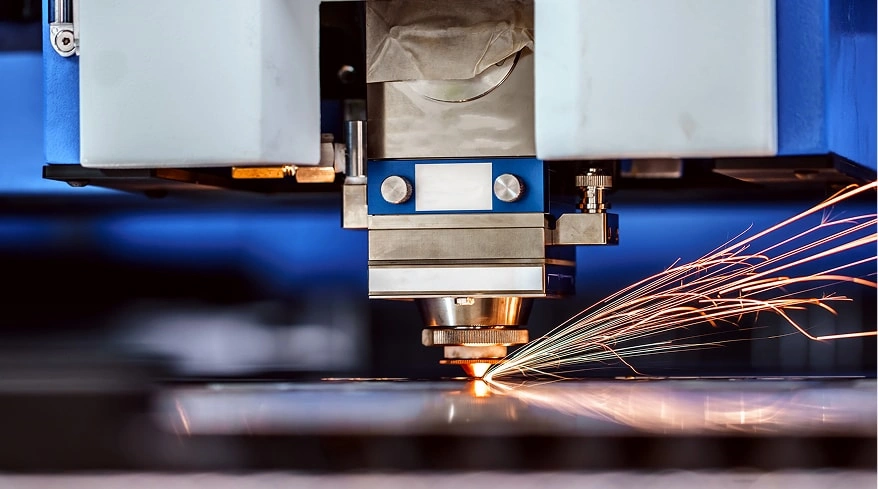
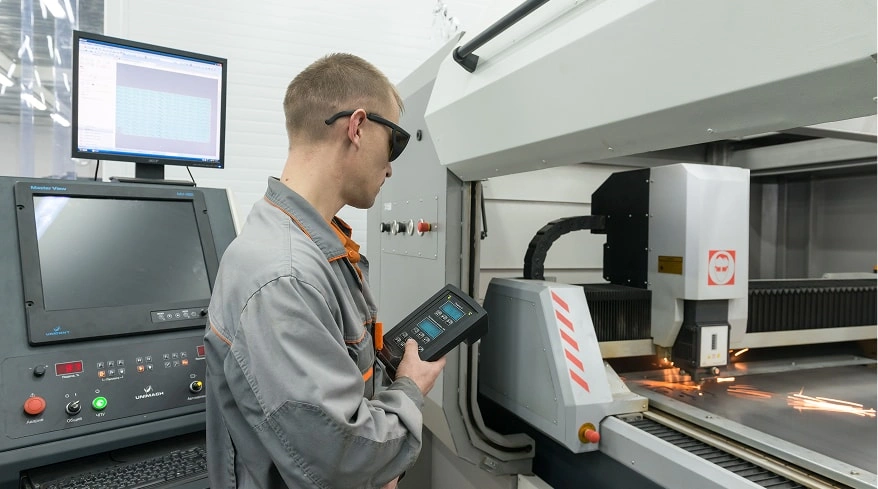
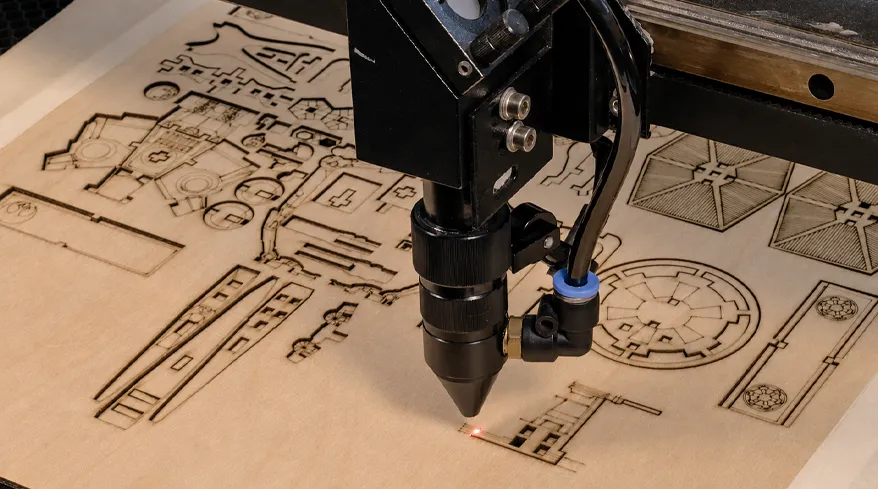
This machining center tool setter is designed for CNC machining centers, milling machines, multi-tool production lines, and machine retrofit projects. It supports automatic tool-length and diameter measurement, tool-wear monitoring, broken-tool detection, and consistent tool-offset setting during metalworking operations.
-
 CNC Milling Machines
 -
 Multi-Tool Machining Operations
 -
 Tool-Wear Monitoring
 -
 Machine Repair and Retrofit Projects
Emballage, stockage, manutention et transport
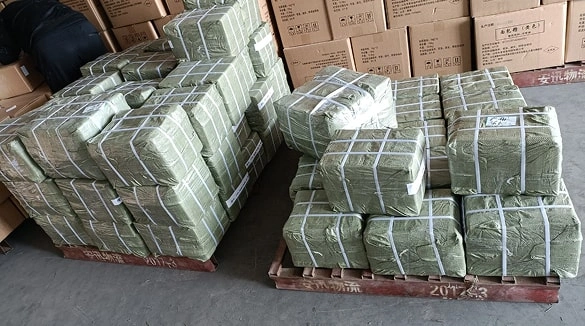
Les machines électroniques de précision désignent divers types d'équipements de haute technologie, tels que les dispositifs à semi-conducteurs et les instruments scientifiques. Ces machines sophistiquées exigent un haut niveau de précision dans leur conception, leur construction et leur fonctionnement, ce qui en fait des outils essentiels dans de nombreuses industries de pointe. L'utilisation de machines électroniques de précision a révolutionné de nombreux domaines, permettant une plus grande précision et une meilleure efficacité dans tous les secteurs, de la recherche médicale à la fabrication. À mesure que la technologie progresse, la demande de machines électroniques de précision ne cessera de croître.
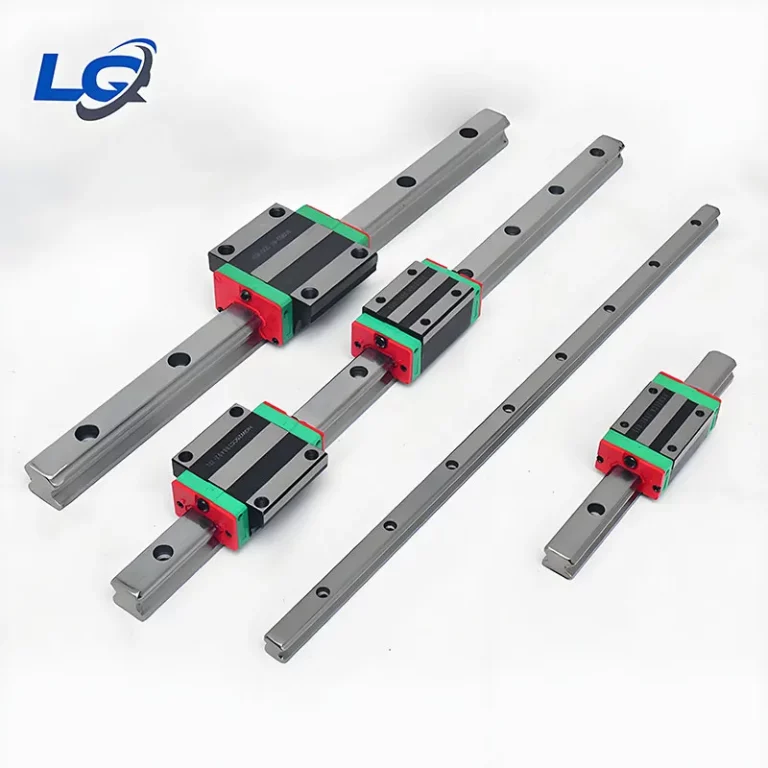
Les guides linéaires sont des composants incroyablement polyvalents qui peuvent être incorporés dans une large gamme d'équipements d'automatisation, y compris les machines textiles, les machines d'impression, les distributeurs de médicaments et les machines de kinésithérapie. On les trouve également dans les appareils d'analyse sanguine, les appareils de nettoyage des voies respiratoires et d'autres dispositifs similaires. Grâce à leur niveau élevé de précision et de fiabilité, les guides linéaires constituent un choix idéal pour ces types d'applications, car ils contribuent à garantir un fonctionnement efficace et sans heurts. Que vous cherchiez à automatiser un nouvel équipement ou à moderniser un équipement existant, l'incorporation de guides linéaires HGR est un choix intelligent qui s'avérera payant à long terme.
-
 Machines de gravure et de découpe au laser
 -
 Mouvements plus fluides grâce à une faible friction